
Sumba Ikat Export Checklist 2027: Shipping & Docs
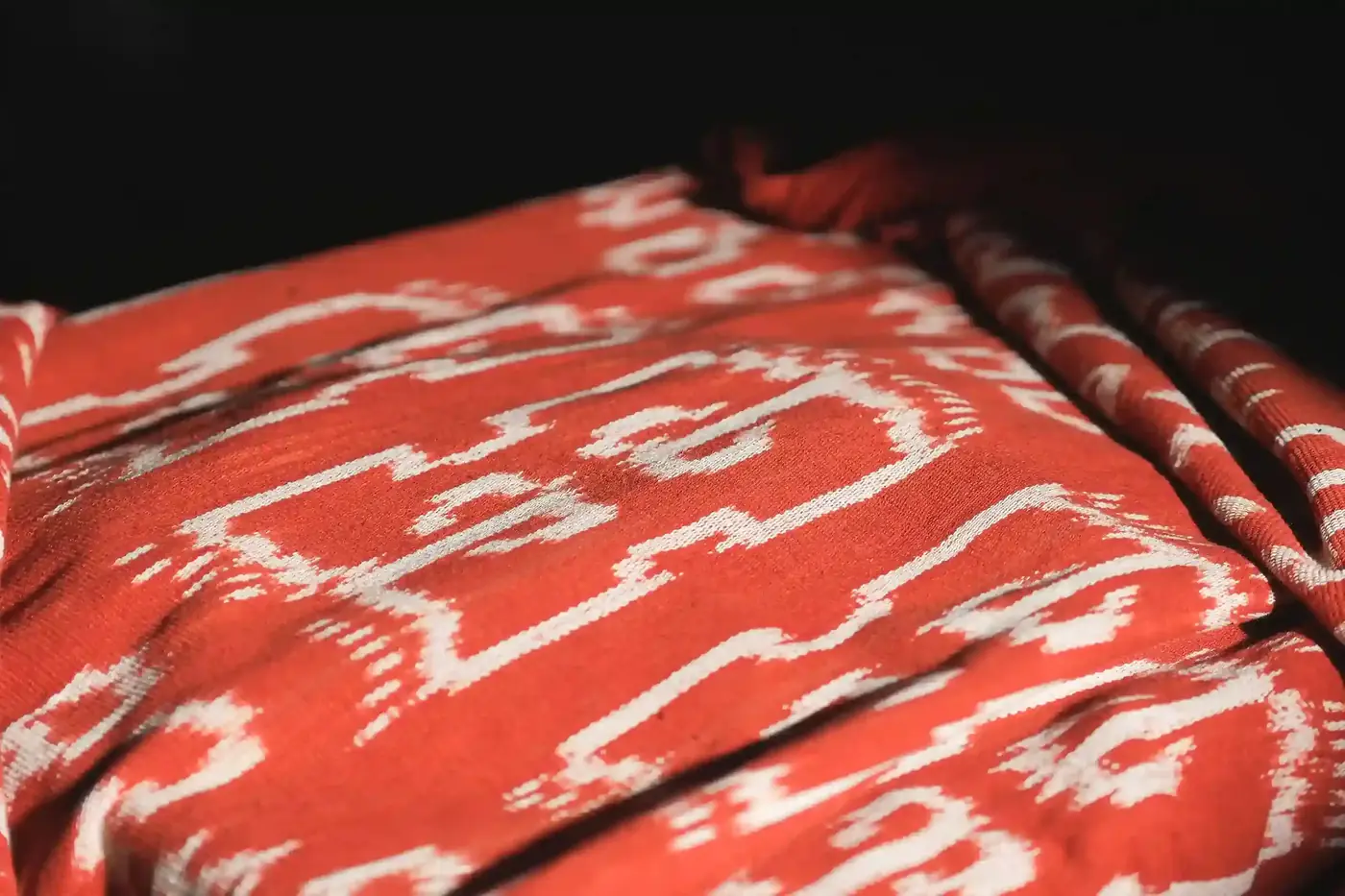
Exporting Sumba ikat from Indonesia requires three separate document sets, and a shipment stalls whenever one of them is treated as optional: the commercial set (invoice and packing list), the customs set (export declaration with a confirmed tariff classification), and the origin set (certificate of origin, plus cultural-property clearance when the cloth is old rather than newly woven). Buyers who map those three sets before production ends almost never lose weeks at the port.
What documents does a Sumba ikat shipment actually need?
Every export from Indonesia is lodged with customs through an export declaration prepared by a licensed forwarder or customs broker, and that declaration must reference a tariff classification for the goods. Handwoven textiles do not sit in a single line: loose woven cotton cloth, made-up articles such as runners and cushion covers, and shawl-format pieces are classified differently, and the classification decides both the paperwork and the duty your buyer pays on arrival. Ask your forwarder to confirm the national tariff line in writing before the invoice is finalised, because amending a declaration after lodgement is slower than getting it right once.
The working checklist for a straightforward 2027 shipment looks like this:
- Commercial invoice showing piece-level description, dye class, dimensions, unit value, and Incoterm with named place.
- Packing list matching the invoice line for line, with carton numbers, net and gross weights, and dimensions.
- Export declaration lodged by the broker, with the agreed tariff classification.
- Bill of lading for sea freight or air waybill for air freight, with consignee and notify party spelled exactly as the importer’s records show.
- Certificate of origin, in the preferential form your destination requires if a trade agreement applies.
- Insurance certificate where the Incoterm places cover on the seller.
Old cloth or new cloth? The question that changes everything
Indonesia regulates the export of objects considered cultural property, and antique or heirloom textiles can fall into that category in a way that a newly woven piece does not. This is the single most under-researched risk in the trade: a buyer sources a genuinely old family hinggi, ships it as ordinary handicraft, and discovers the difference at the border. If your purchase involves aged, inherited, or collection-provenance cloth, treat clearance as a project step with its own timeline and confirm current requirements with the Indonesian cultural-heritage authority and your customs broker rather than relying on what a seller says is normal. Newly woven pieces made for trade avoid this question entirely, which is one practical reason institutional buyers often commission new work. Our sumba ikat export desk separates these two streams from the first enquiry, and buyers who need a documented supply chain rather than a one-off parcel usually start from our verified textile supplier process.
Air freight or sea freight?
Textiles are light and bulky, which means air freight is charged on volumetric weight far more often than on actual weight. Compressing cartons to reduce volume is tempting and wrong: hard-pressed creases in handwoven cloth can set permanently, especially in natural-dye pieces. The realistic decision rule is that sample sets, single high-value pieces, and launch-critical replenishments go by air, while first bulk runs and heavy home-textile orders go by sea consolidated with other cargo.
| Stage | Sea freight | Air freight |
|---|---|---|
| Booking and cargo cut-off | Book well ahead of the vessel cut-off; missing it means the next sailing | Shorter booking window, more flexible |
| Transit character | Longer, with a humid container environment | Short, with pressure and temperature swings |
| Best suited to | Bulk home textiles, fabric rolls, repeat orders | Samples, single collectors’ pieces, urgent replenishment |
| Main risk to manage | Moisture, mould, crush damage | Volumetric cost, over-compression of cartons |
How should handwoven textiles be packed for export?
Moisture is the enemy on the sea leg, because a container crossing the tropics can cycle through condensation repeatedly. Pack cloth clean and fully dry, interleave folds with acid-free tissue so that dye does not transfer at the crease, and roll long pieces on tubes where carton size allows rather than folding them into hard quarters. Use double-wall cartons with an inner moisture barrier, add desiccant sachets, and avoid sealing textiles in direct contact with plastic film for long transits. Number every carton, and keep a photographic pack-out record piece by piece — it is the fastest way to settle a claim if a carton is opened for inspection en route.
What does the destination country require?
Import-side rules are the half of the checklist sellers forget. Most major markets require textile goods to carry fibre content and country-of-origin information at retail, and the exact wording rules differ between jurisdictions, so labels should be agreed during production rather than after arrival. Some destinations apply strict biosecurity screening to natural-fibre and plant-derived goods and may inspect or treat consignments on arrival. Preferential duty rates under trade agreements are only granted against the correct certificate of origin form, issued before shipment. Confirm all three points with the importer’s own customs broker and the relevant official agency for 2027, because these rules are updated periodically and no supplier can guarantee another country’s border policy.
A realistic export timeline
Build the schedule backwards from the date the goods must be on the retail floor, not forwards from the date the order is confirmed. Allow for production, which in natural-dye work is measured in months; then finishing, tagging, and inspection; then packing and inland transport from Sumba to the export gateway, which is an island leg before any international leg; then the customs and booking window; then transit; then destination clearance and delivery. The commonest scheduling error is treating the inland leg as instantaneous.
Frequently asked questions
Who lodges the export declaration, the buyer or the seller?
Under standard practice the exporter of record in Indonesia arranges the export declaration through a licensed broker or forwarder, while the importer handles clearance at destination. The Incoterm you agree decides where responsibility transfers and who pays for each leg, so state the Incoterm with a named place on the invoice rather than writing FOB or CIF alone.
Do I need a certificate of origin for every shipment?
Not always for clearance, but usually yes if you want preferential duty treatment under a trade agreement, and often yes for the importer’s own compliance records. The certificate must be the correct form for the agreement in question and must be applied for before shipment; retroactive issuance is not guaranteed and is handled case by case.
Can antique Sumba textiles be exported like new ones?
No, and treating them the same is the main compliance risk in this category. Objects that qualify as cultural property are subject to separate controls, so provenance and age must be established before purchase, not after. Verify the current position with the Indonesian cultural-heritage authority and a customs broker; newly woven pieces commissioned for trade are outside that question.
How are handwoven textiles best protected during sea transit?
Pack them clean and dry, interleave folds with acid-free tissue, roll long pieces on tubes where possible, use double-wall cartons with a moisture barrier and desiccant, and avoid long-term direct contact with plastic film. Container condensation over a tropical crossing is the leading cause of mould and dye migration in textile consignments.
Plan your shipment with our export desk
Tell us your destination port, target arrival date, and whether the order is newly woven or collection cloth, and we will map the document set and a realistic timeline. Reach us on WhatsApp at https://wa.me/6281139414563 or by email at [email protected].
Related
Keep reading
Trade and Export
Textile Bulk Purchase Strategies for 2027 Buyers
A textile bulk purchase of handwoven Sumba cloth works best as a rolling order calendar spread across the year, not…
Trade and Export
Sumba Woven Fabric Market Overview for Traders
Sumba woven fabric sells into four distinct buyer segments — home retail, hospitality projects, fashion production, and collectors — and…
Trade and Export
Handwoven Textile Wholesale Trends in 2027
The defining shift in handwoven textile wholesale going into 2027 is that buyers now ask where a piece was made…