
Textile Bulk Purchase Strategies for 2027 Buyers
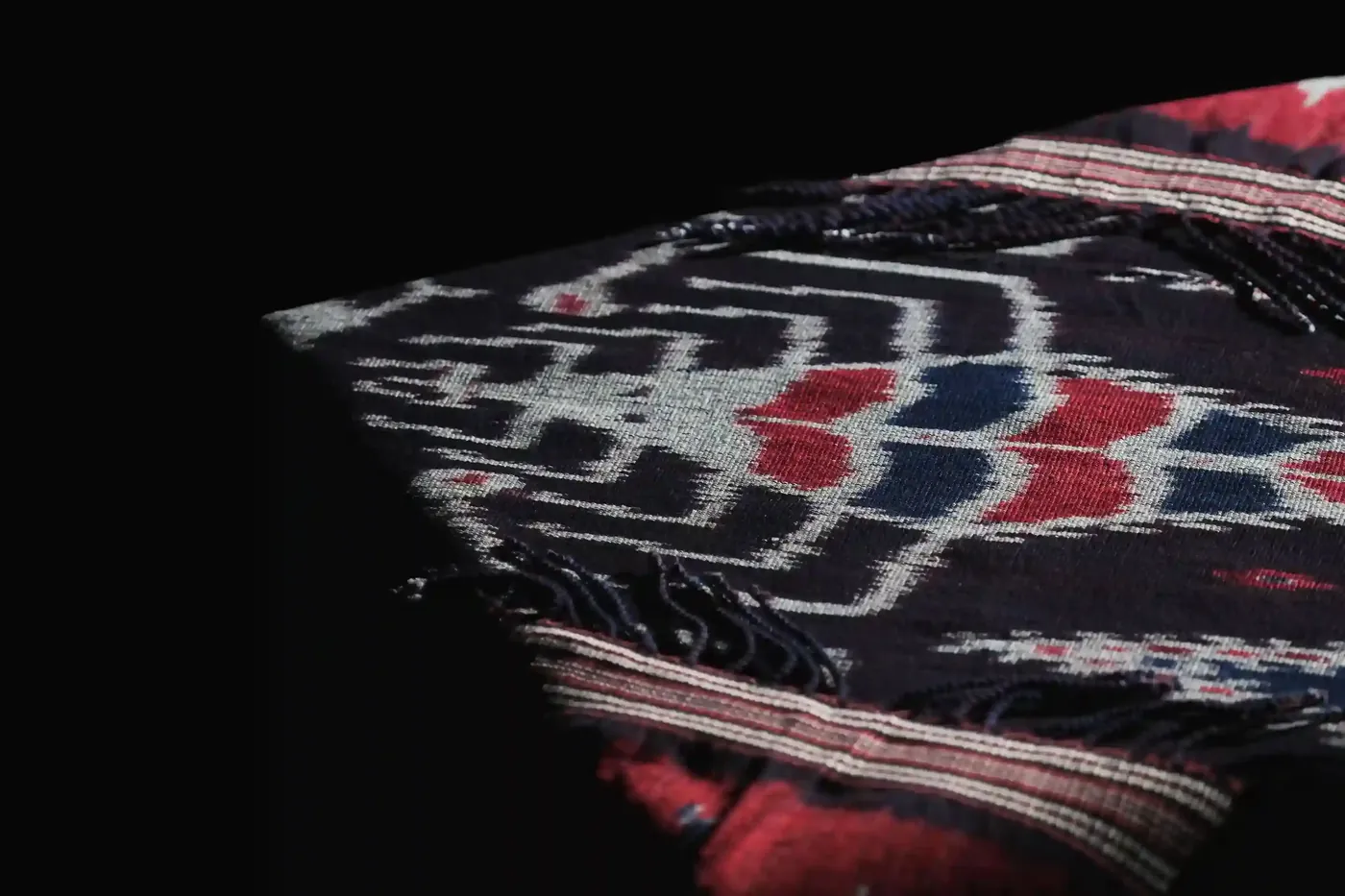
A textile bulk purchase of handwoven Sumba cloth works best as a rolling order calendar spread across the year, not a single large drop, because every panel is woven by hand on a backstrap loom and output cannot be scaled up on demand the way mill fabric can. Buyers who plan in waves get better colour consistency, fewer substitutions, and far less dead stock than buyers who place one oversized order and wait.
The strategies below are written for distributors, boutique groups, and trading houses planning their 2027 sourcing from Sumba island in East Nusa Tenggara, Indonesia. They apply whether you are buying finished pieces, yardage, or a mixed assortment.
Why is buying handwoven textile different from ordering mill fabric?
Handwoven ikat is dyed before it is woven: the yarn is tied and resist-dyed in bundles, then stretched on the loom so the pattern appears as the cloth is built. That sequence means a weaver cannot simply run more metres of an existing design next week, and it means two pieces from the same design will never be pixel-identical.
Three consequences follow for anyone planning a large order. First, lead time is driven by weaving hours, not machine capacity. Second, natural dye lots shift between batches, so a repeat order months later may sit slightly warmer or cooler than the first. Third, the useful unit of planning is the design family, not the SKU. Buyers who accept these three facts and write them into their purchase terms avoid most of the disputes that sink first-time bulk relationships.
How should a 2027 bulk purchase calendar be structured?
Weaving and natural dyeing in Sumba both depend on dry weather, since resist-dyed yarn must be sun-dried between dye baths. Concentrating your entire annual volume into one order that lands in the wet season is the single most common planning error. Split the year instead.
| Phase | Buyer action | Purpose |
|---|---|---|
| Planning wave | Confirm design families, colour direction, and total annual volume | Gives producers time to prepare yarn and dye materials |
| Anchor order | Place the largest single block against confirmed retail demand | Secures loom capacity before the peak season |
| Top-up order | Reorder only proven sellers from the anchor batch | Reduces exposure on untested designs |
| Closing order | Take remaining stock and one-off pieces for year-end | Clears producer inventory and captures collector items |
Each wave should be quoted separately so that you are not locked into a price set eleven months earlier. Our textile bulk purchase enquiry route exists precisely to structure a calendar like this before any deposit is discussed.
What belongs in a bulk purchase specification?
A specification is the document that decides who is right when a shipment arrives and something looks unexpected. It should be written before the first sample, not after the first complaint. At minimum, agree in writing on:
- Design family and motif region, since motifs differ between East and West Sumba
- Dimensions with a stated tolerance, expressed as a range rather than a single number
- Yarn type — cotton, and whether hand-spun or commercially spun
- Dye type — natural, synthetic, or a stated combination
- Fringe, selvedge, and finishing treatment
- Acceptable variation band for colour and weave density
- Packing method, carton marking, and the paperwork set required at your port
The variation band is the clause most buyers forget. Instead of demanding uniformity that handwoven cloth cannot deliver, define the width of acceptable difference and inspect against that band. Rejections then become rare and objective.
How do you manage variation risk across a large lot?
Because resist-dyed yarn is prepared in bundles, pieces woven from one dye preparation share a family resemblance that later batches will not repeat exactly. The practical control is to buy in dye-lot blocks and to keep those blocks together through your own distribution.
Ask for lot identifiers on every carton and record them against your inventory. When a hotel, boutique, or interior client needs a matched set, you can then pull from a single lot rather than hoping that pieces bought six months apart will sit well side by side. For open-stock retail, the opposite applies: deliberately mixing lots on a shelf makes the handmade character visible and turns variation into a selling point instead of a customer service problem. Buyers sourcing volume through sumba woven fabric wholesale channels should confirm at quotation stage whether lot separation is being maintained.
Which commercial terms deserve the most attention?
The terms that cause the most friction in handwoven textile trade are rarely price. They are the ones that describe what happens when reality diverges from the order sheet. Negotiate these explicitly:
- Substitution rights. If a design family cannot be completed, may the producer substitute a comparable design, and who approves it?
- Partial shipment. Will you accept a split delivery if part of the lot is ready earlier, and who bears the additional freight?
- Inspection point. Is quality assessed before packing at origin, or after arrival at your warehouse?
- Deposit and balance timing. Deposits fund yarn and dye materials, so tie the balance to a defined readiness milestone rather than a calendar date.
- Documentation set. Confirm which certificates and declarations your customs authority requires before production starts, not after the container is sealed.
How should stock rotation work after delivery?
Handwoven textiles do not become obsolete the way seasonal printed fabric does, which changes the rotation logic. A design family that sells slowly in a retail setting may sell immediately into a hospitality project, so holding cost is usually recovered rather than lost.
Still, cotton stored badly will suffer. Keep stock flat or loosely rolled, out of direct sunlight, in a dry and ventilated space, and refold at intervals so that permanent creases do not set along the same line. Review each design family against sell-through before the next planning wave, and retire designs from the reorder list rather than from the warehouse — remaining pieces of a retired family become the scarce items your collector customers look for.
Frequently asked questions
How far ahead should a 2027 bulk textile order be planned?
Plan the design direction and total annual volume before the first order is placed, then release volume in waves. Because handwoven ikat is dyed and woven piece by piece rather than run off a machine, loom capacity is the binding constraint. Confirming design families early lets producers prepare yarn and dye materials in advance, which shortens the lead time on every subsequent wave in the calendar.
Is a lower unit price always better in bulk textile buying?
No. In handwoven textiles, an unusually low unit price normally signals a change in inputs — machine-made cloth presented as handwoven, synthetic dye in place of natural dye, or a simplified motif with fewer tie-dye steps. Compare quotations only after the specification fixes yarn type, dye type, dimensions, and motif complexity, otherwise you are comparing two different products.
Can colours be matched exactly across repeat orders?
Exact matching is not realistic with natural dyes, and reputable suppliers will say so. What is realistic is an agreed variation band plus lot separation, so that pieces intended to be displayed together come from one dye preparation. Record lot identifiers on arrival and pull matched sets from a single lot when a project client needs visual consistency.
What is the most common mistake first-time bulk buyers make?
Ordering the full year in one block against untested demand. The stronger pattern is an anchor order sized to confirmed demand, followed by top-up orders limited to designs that have already proven their sell-through. This keeps capital working, gives real market data before the second commitment, and leaves room to react if a design family performs differently than expected.
Plan your 2027 bulk programme with us
Send us your design direction, target volume, and destination port, and we will map it into a wave-based calendar with clear specifications before any commitment is made. Message us on WhatsApp at https://wa.me/6281139414563 or email [email protected] to open a bulk enquiry.
Related
Keep reading
Trade and Export
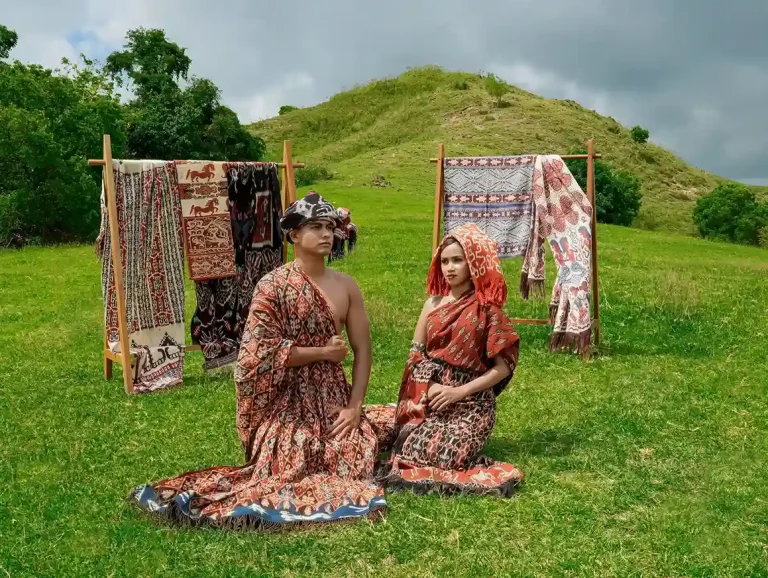
Sumba Woven Fabric Market Overview for Traders
Sumba woven fabric sells into four distinct buyer segments — home retail, hospitality projects, fashion production, and collectors — and…
Trade and Export
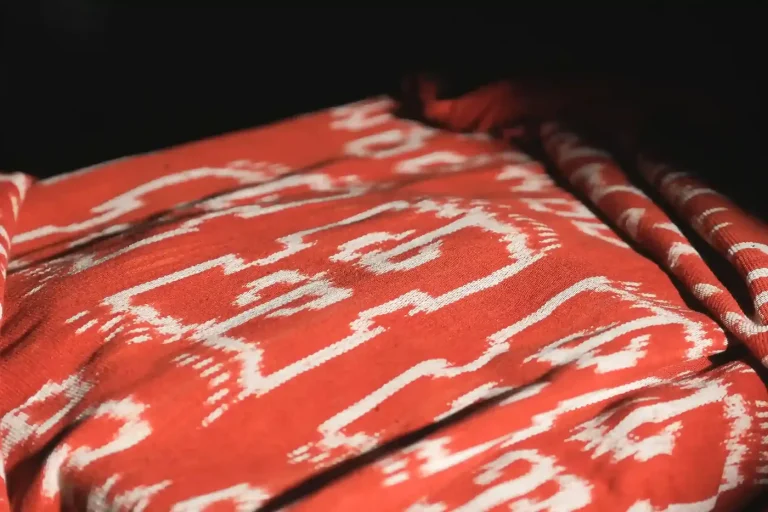
Sumba Ikat Export Checklist 2027: Shipping & Docs
Exporting Sumba ikat from Indonesia requires three separate document sets, and a shipment stalls whenever one of them is treated…
Trade and Export
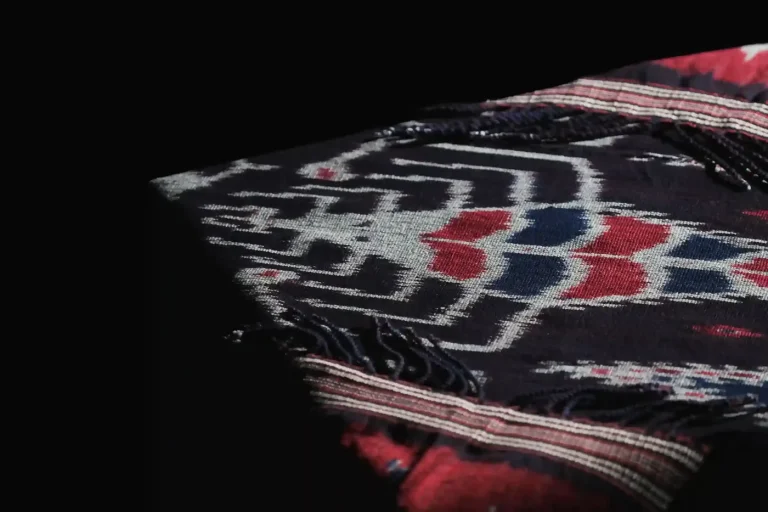
Handwoven Textile Wholesale Trends in 2027
The defining shift in handwoven textile wholesale going into 2027 is that buyers now ask where a piece was made…