
01 — Loom time
Months, not minutes
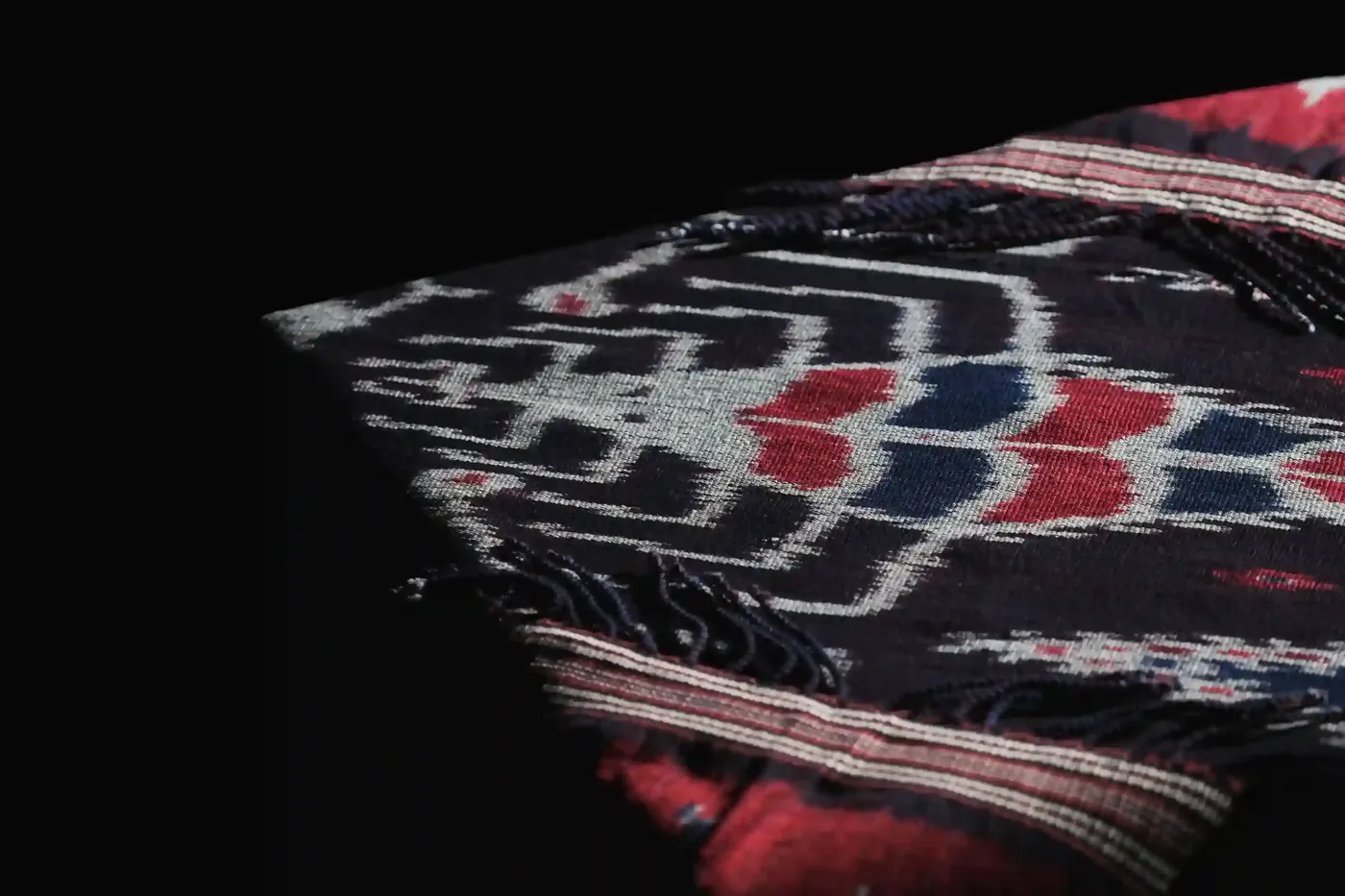
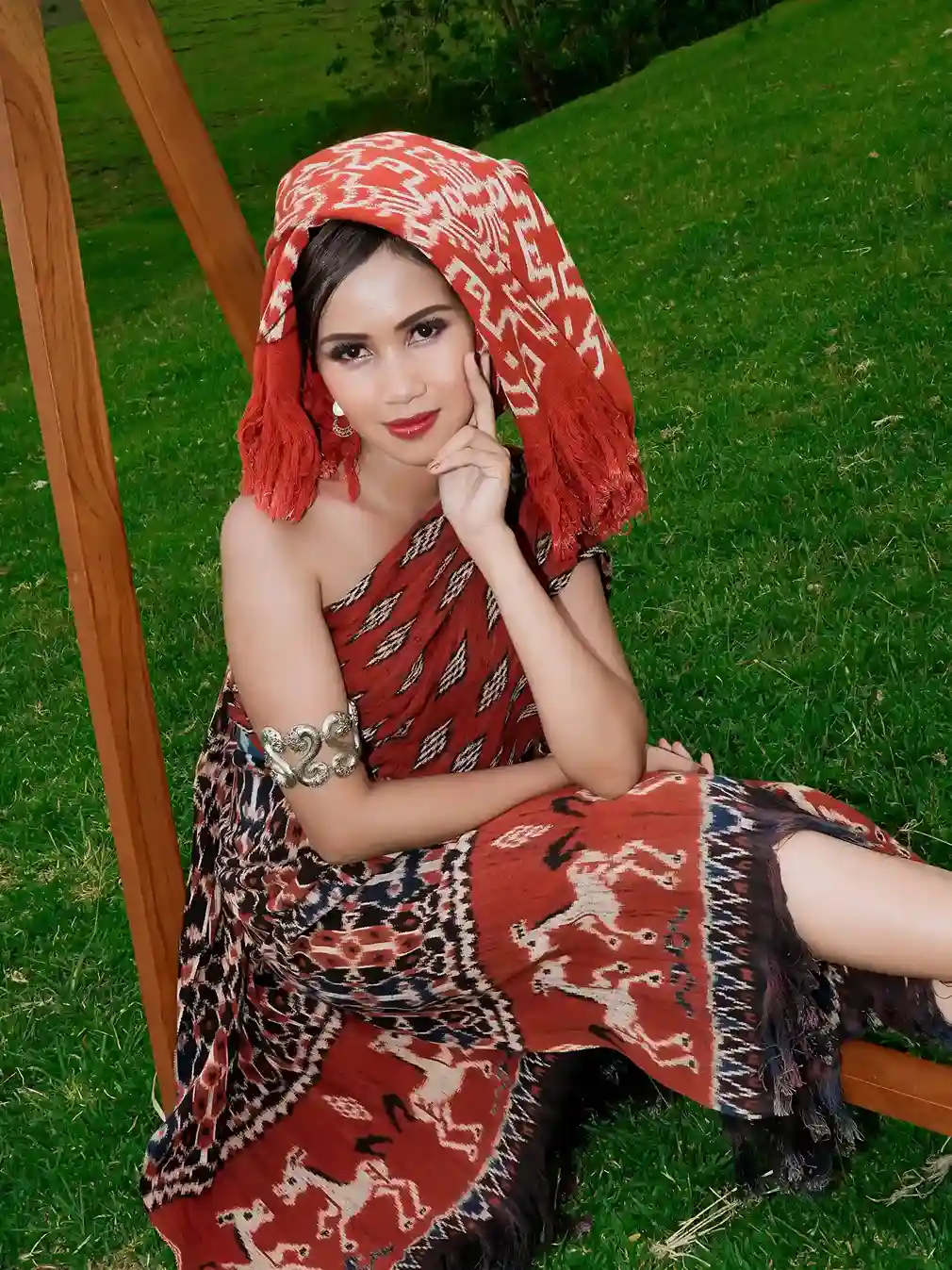
A single large Sumba hinggi can occupy a weaver for months, because the tying, dyeing, drying, and weaving stages are sequential and none of them can be rushed without damaging the pattern.
SumbaTextile Studio supplies authentic handwoven Sumba ikat and traditional Sumbanese cloth directly from weaving communities on Sumba island to boutique owners, interior designers, hospitality projects, and textile traders worldwide.
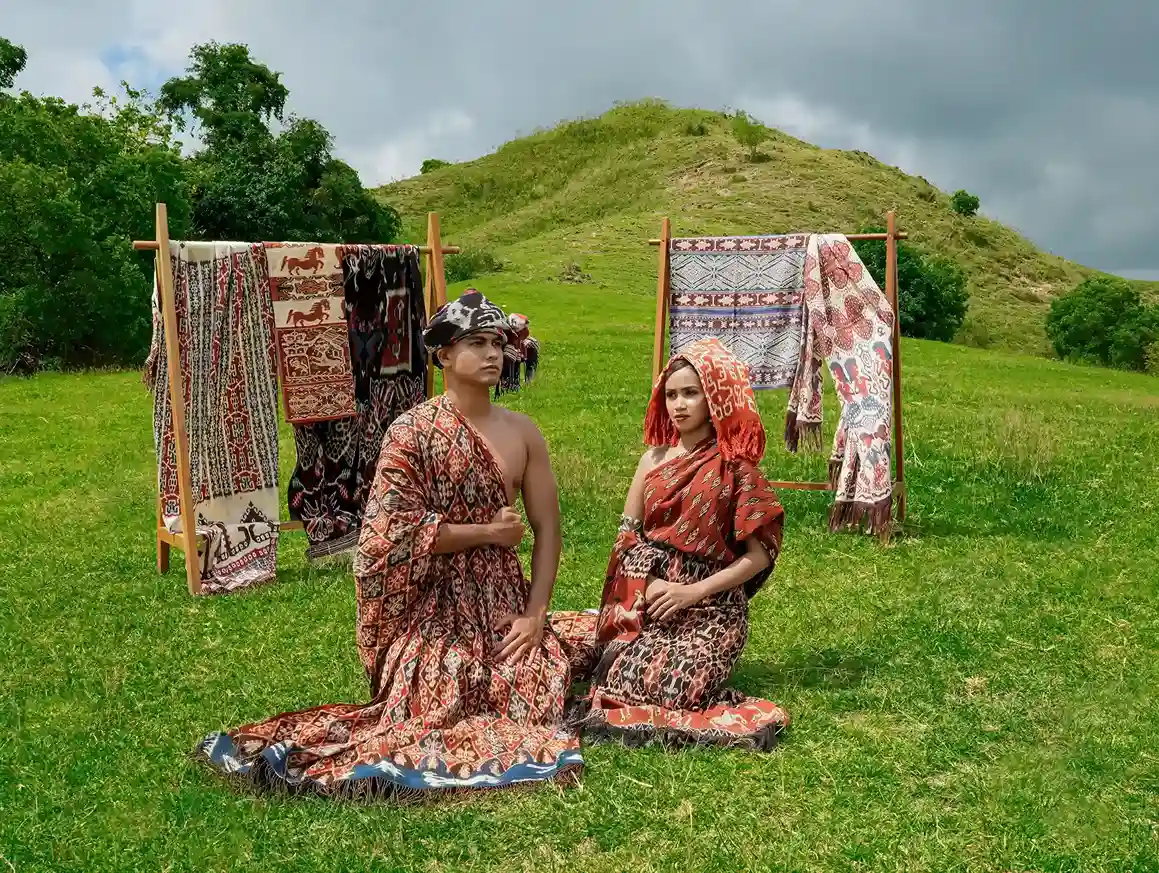
Pieces are sold by what the loom can produce, not by what a printer can repeat.
Seven ranges
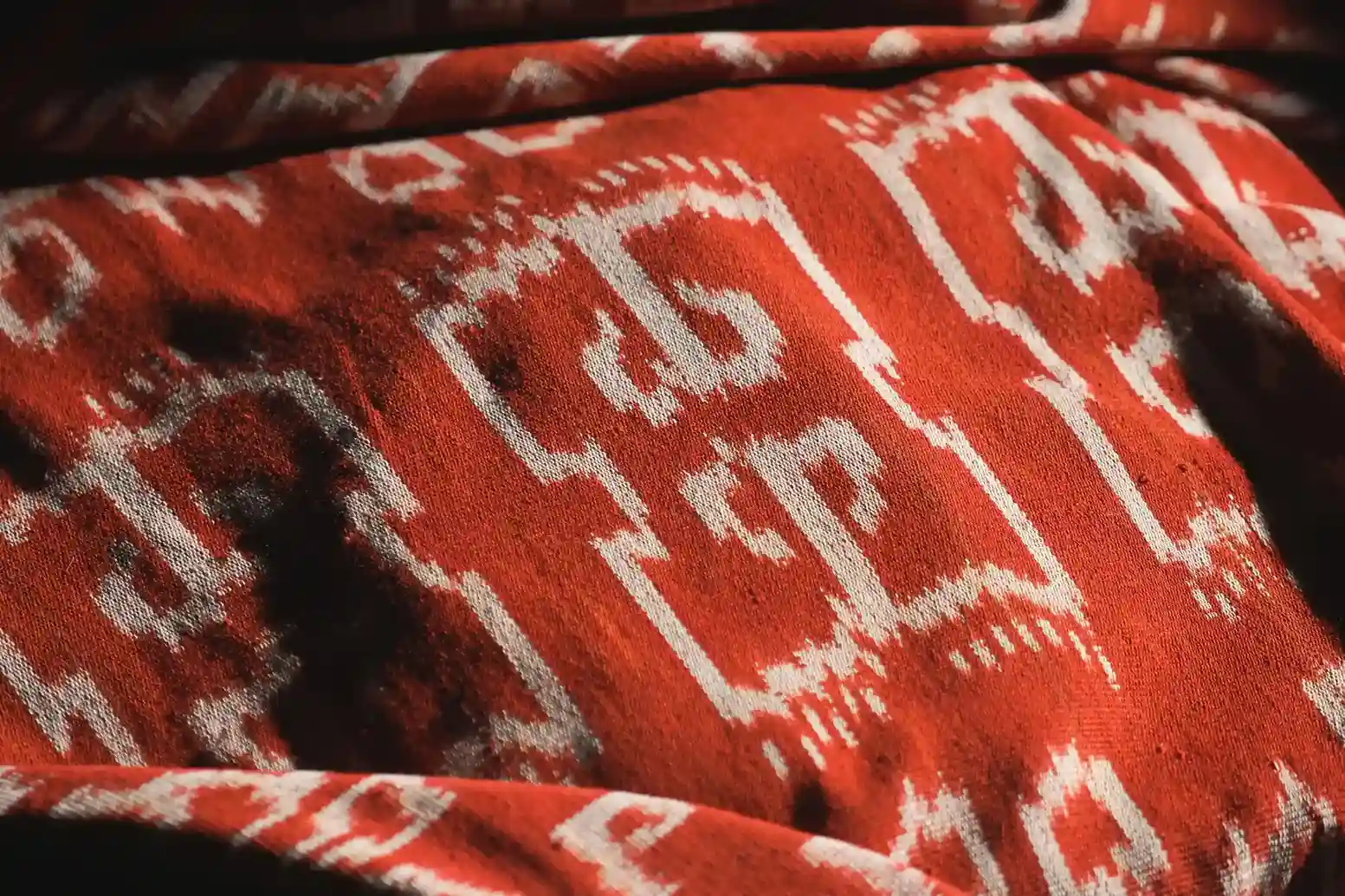
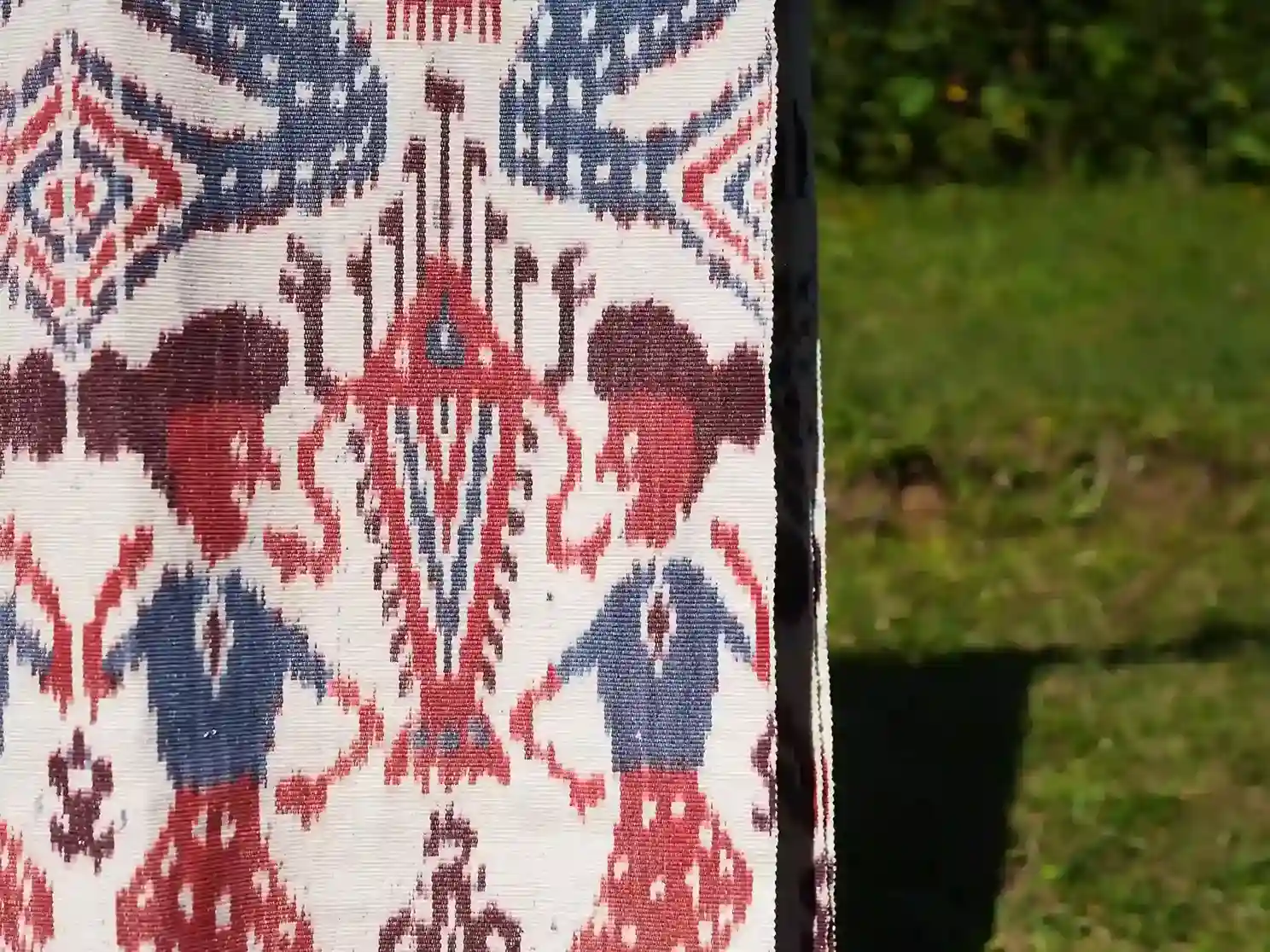
Sumba ikat is a warp-ikat textile, which means the pattern is tied and dyed into the warp threads before weaving begins, so the design exists in the yarn rather than on the surface of finished cloth. That single technical fact shapes our whole product range. The ranges below are the practical entry points for most buyers.
Alongside the ranges above we keep dedicated pages for pieces that sit closer to tradition than to decor.
Trade buyers and retail buyers need different paperwork, so the two paths are kept separate on this site. A shop owner ordering four cushions and a distributor ordering a container of woven fabric are not solving the same problem, and pricing, lead time, and documentation all change with volume.
Longer background on our trade terms sits on the older pages that remain live.
Four factors
01 — Loom time
A single large Sumba hinggi can occupy a weaver for months, because the tying, dyeing, drying, and weaving stages are sequential and none of them can be rushed without damaging the pattern.
02 — Dye
Traditional Sumba dyeing leans on plant sources — indigo for blues and blue-blacks, and morinda root for the deep red-browns — and those dye baths are repeated over long periods to build depth of colour.
03 — Motif
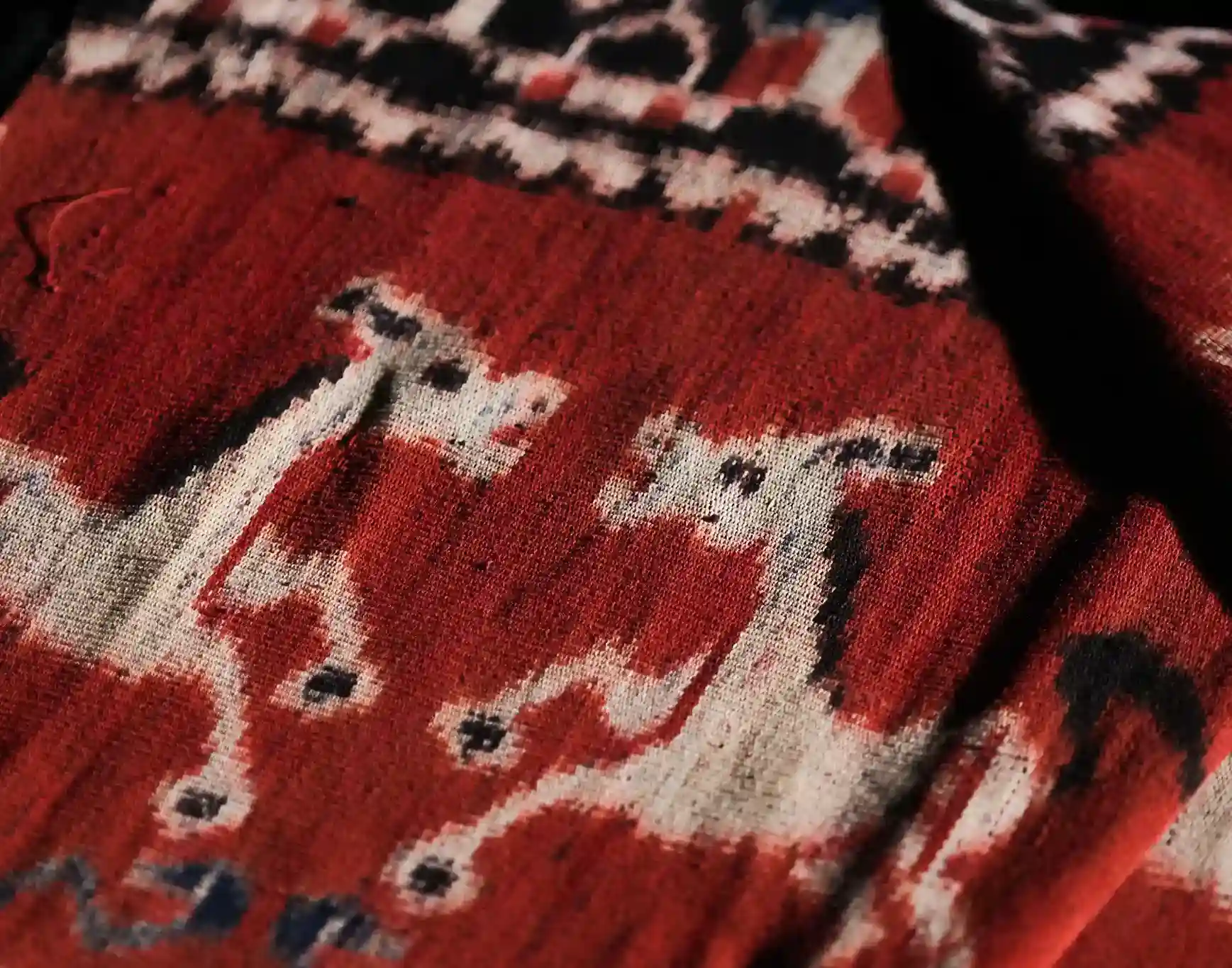
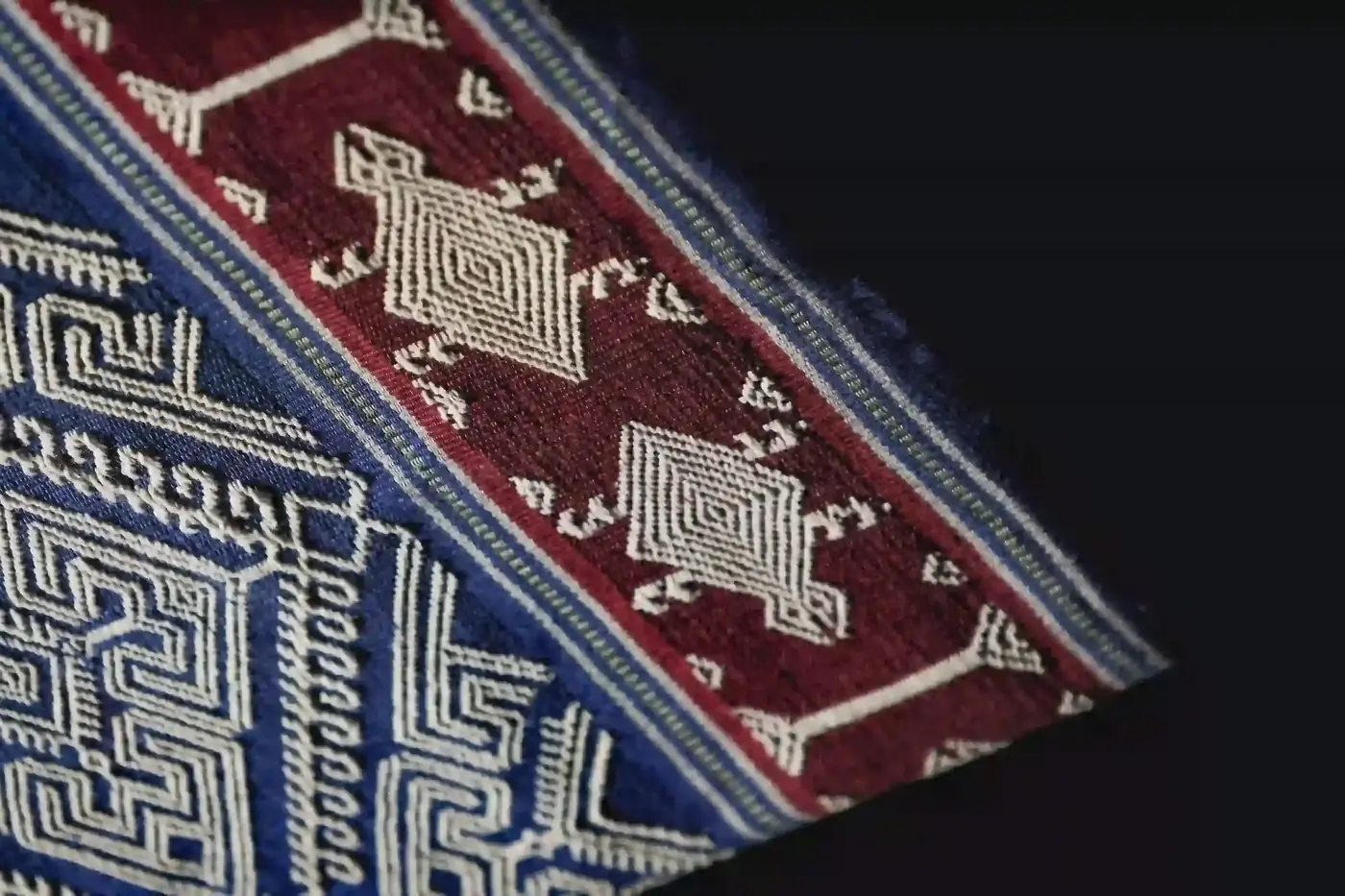
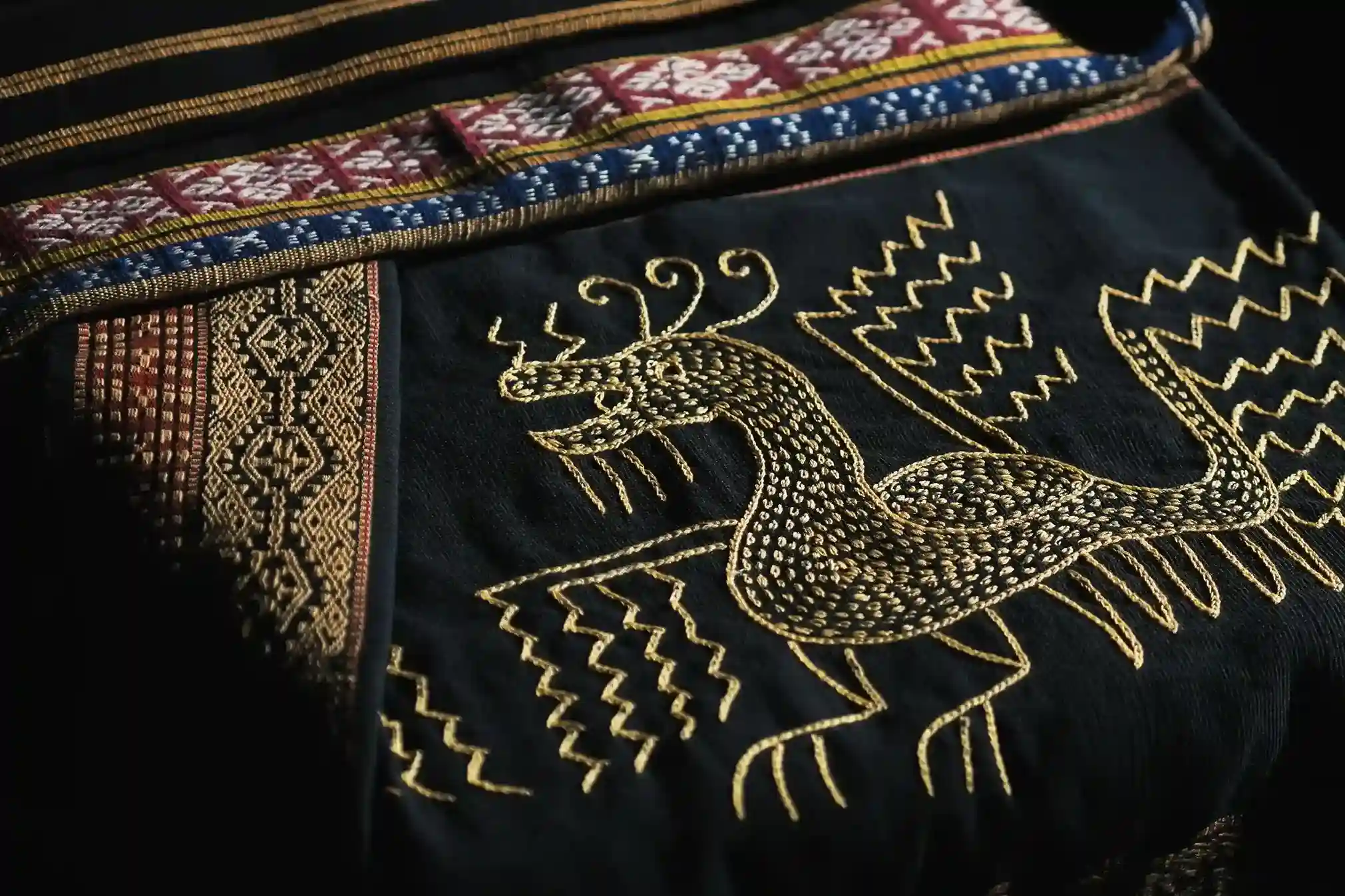
The motifs are not decorative filler either; horses, deer, roosters, and the skull-tree pattern carry meaning tied to Sumbanese social and ceremonial life.
04 — Price
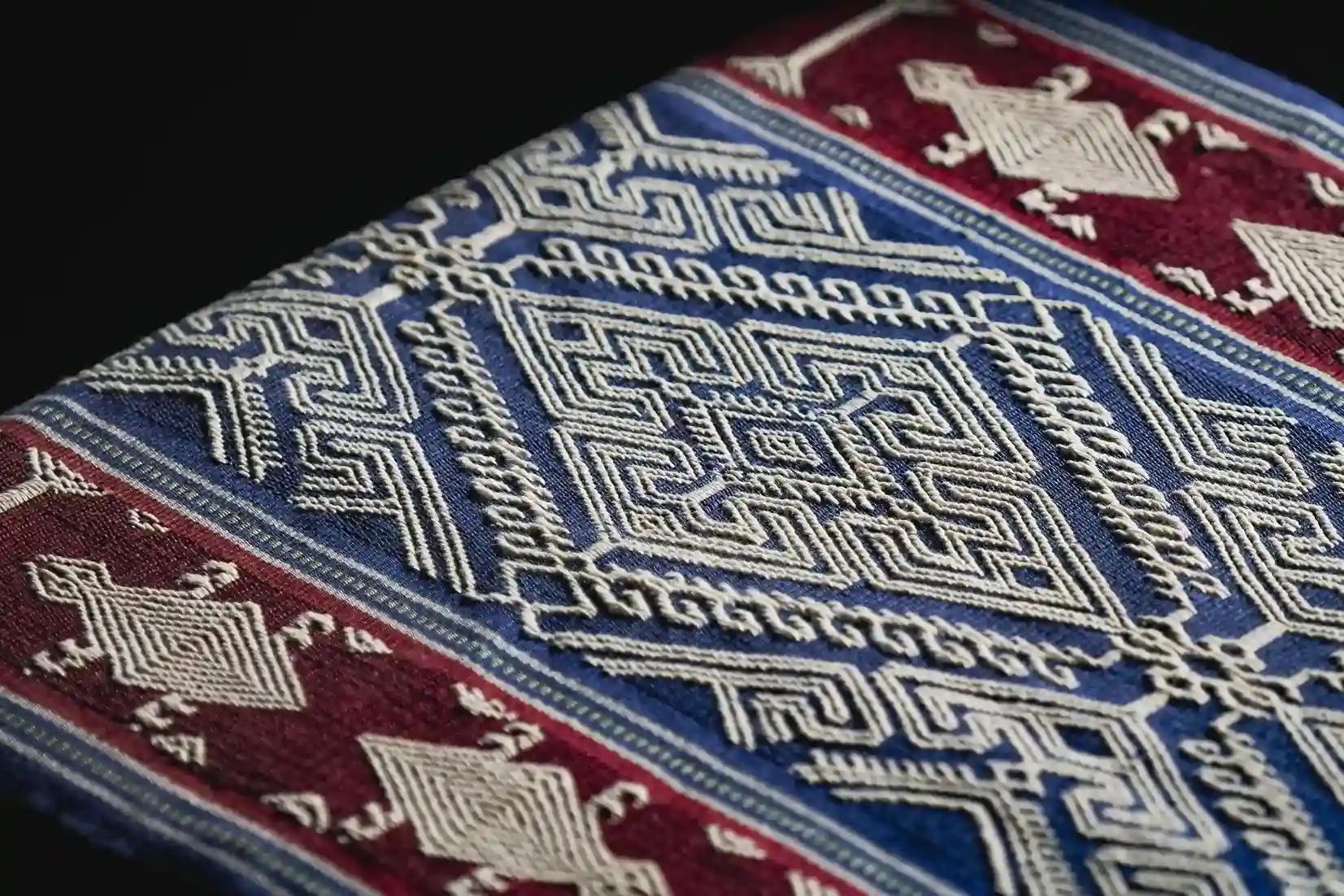
Two pieces of the same nominal size can differ in price by a wide margin depending on yarn count, number of dye immersions, motif complexity, and whether natural or synthetic dyes were used. We explain that difference in writing on every quotation rather than flattening it into a single headline rate.
For the cultural background behind the patterns, read further.
We describe our process instead of decorating it. When a piece is listed, we state the weave technique, the approximate origin area on Sumba, whether the dyes are natural or synthetic, the finished measurements, and any irregularities in the cloth — handwoven textiles carry small variations, and we treat those as characteristics rather than defects to be hidden. Where we cannot confirm a detail, such as the exact age of an older collector piece, we say so rather than assign a number.
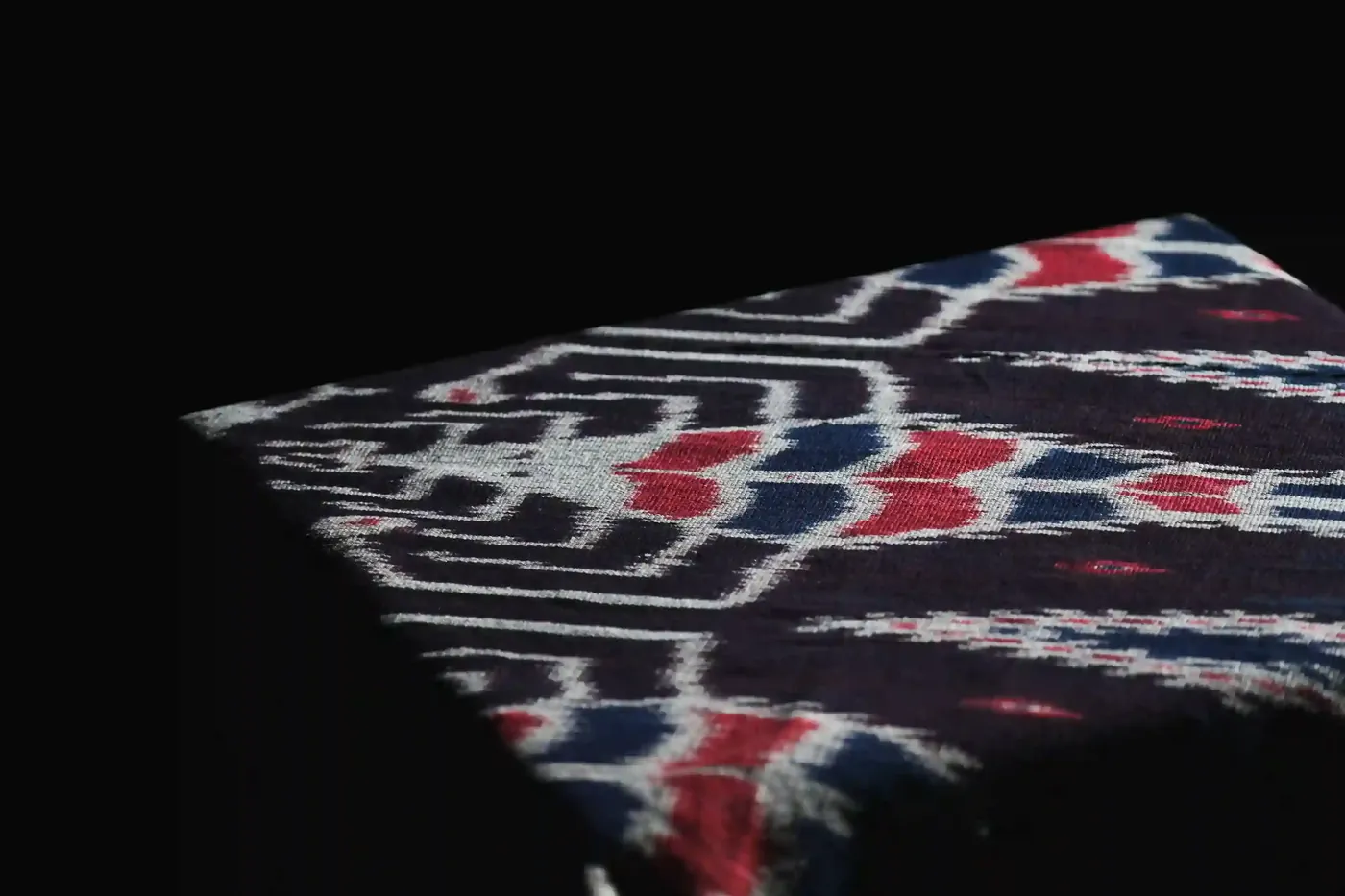
Sustainability is handled the same way. Natural dyeing and village-based production have real environmental and social advantages, but they also have limits in volume and consistency, and both sides belong in a buyer’s decision.
Eco-friendly and sustainable Sumba textileSeven guides
Most first-time buyers ask the same four questions: how to tell genuine ikat from a print, what size to order for a specific wall or table, how to care for the cloth afterwards, and what wholesale terms look like in practice. Each has its own guide so you can arrive at the enquiry stage already knowing what to specify.
The same five stages for a single wall hanging and for a wholesale container. Only the paperwork depth changes.
Five stages
Interior and hospitality buyers working to a fit-out schedule should send the installation date first, because lead time — not stock — is usually the binding constraint on handwoven textiles.
We match your project to available pieces or to a production run
Quantity, size, colour family, deadline
Photographs and specifications of actual pieces or batch samples
Confirmation of the pieces you want held
Written quote splitting product, packing, and freight
Delivery address and import requirements
Stock is reserved, or weaving is scheduled with the community
Agreed payment step
Packing, documentation, and dispatch to your destination
Consignee details and any customs contact
Retail buyers who prefer to purchase without a full trade process can use the existing pages below. Designers scoping a room rather than a single piece should start with the interior design guide.
Five questions
Start an enquiry
Send your brief — quantity, size, colour direction, and the date you need the textiles in place — and we will reply with available pieces, lead time, and an itemised quotation. Wholesale, export, and hospitality project enquiries are all handled through the same two channels, and every question is welcome, including the ones about authenticity.
You can also go straight to the Sumba textile catalog and collection to shortlist pieces for your project.