
Scarcity is the feature, not the flaw.
Small-batch cloth selected for independent retailers and fashion labels, curated as limited assortments rather than open stock, so your range stays distinctive in your own market. Boutiques do not need volume — they need pieces that photograph well and carry a story a salesperson can tell in thirty seconds.
- Roles in a range
- 4
- Things we ask up front
- 3
- Batch per assortment
- 1
Why does small-batch sourcing suit boutiques better than open stock?
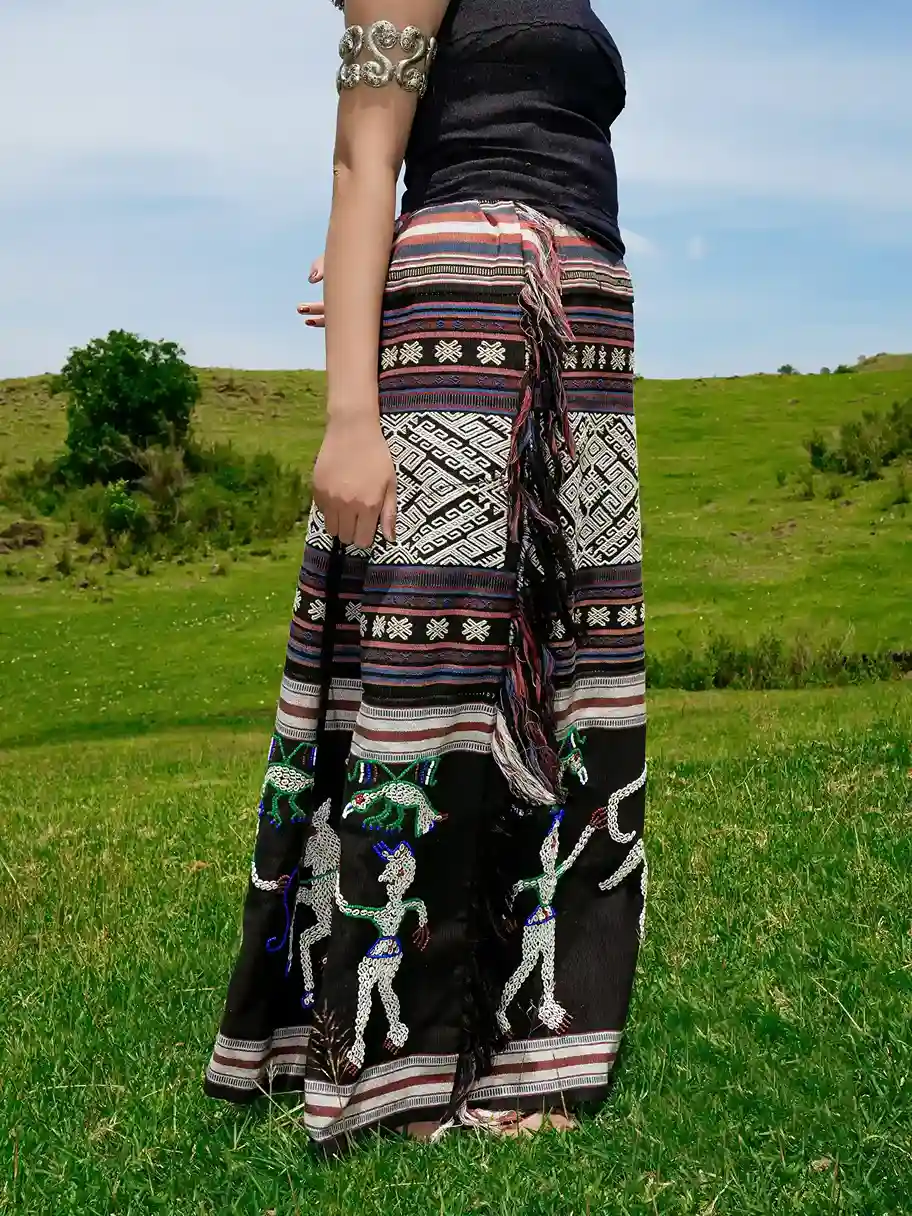
Handwoven Sumba cloth is produced loom by loom, so a batch is naturally limited by how many weavers worked on it and how much dyed warp was prepared. That constraint, which frustrates volume buyers, is exactly what protects a boutique.
- A piece you stock is unlikely to appear in a competitor’s window in the same season, because the batch simply does not stretch that far.
- Boutique buying therefore rewards decisiveness. When an assortment is offered and reserved, it goes; when it is deferred, those specific pieces usually cannot be reproduced identically later.
- We say that plainly rather than manufacturing urgency, because the alternative is a buyer expecting a warehouse reorder that the craft cannot deliver.
What goes into a boutique assortment?
Four roles
We build assortments around price architecture rather than a single hero product, because a range needs an entry point, a mid tier and a statement piece to convert browsers at different budgets.
Entry
Small textiles, pouches, cushion covers
Impulse purchase and gift buying
Core
Table runners, scarves, mid-size panels
Repeat sellers and the volume of the range
Statement
Full hinggi panels, ceremonial-grade cloth
Window presence, credibility, high margin
Workroom
Yardage for in-house making
Own-label products unique to your store
How exclusivity is actually handled
True territorial exclusivity is a commercial agreement, not a marketing phrase, so we treat it as something negotiated in writing rather than promised loosely. Most boutiques do not need a formal exclusive, because batch scarcity already does the work.
-
01
Batch reservation
Specific pieces held for you and removed from general offer.
-
02
Motif direction
Colourways and motif families developed toward your brand direction.
-
03
Territory discussion
Geographic protection agreed in writing where volume supports it.
-
04
Release timing
New assortments offered to committed accounts before general listing.
Telling the story on the shop floor
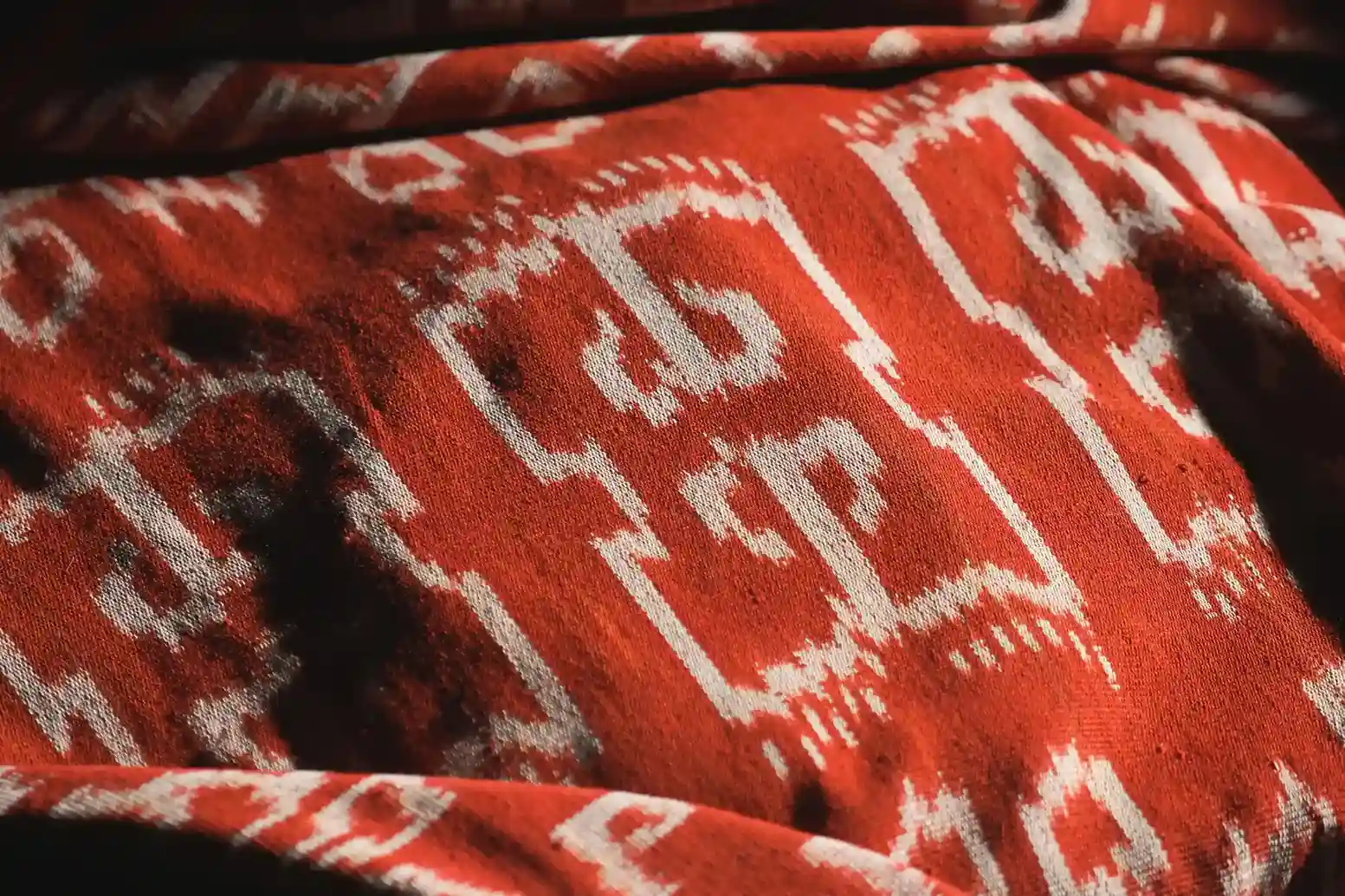
Handwoven cloth sells on provenance. A customer who understands that the pattern was tied and dyed into the threads before weaving pays attention differently from one who thinks it was printed. Every assortment ships with origin notes — the district the cloth came from, the dye family used — so your team has accurate material rather than invented romance.
We do not supply claims we cannot support. If a piece was made with natural morinda and indigo dyes, the note says so; if it used colourfast dyes for durability, the note says that instead. Retail staff repeating an accurate story build trust that survives the customer going home and reading further.
What a realistic first order looks like
A sensible opening order tests the category rather than betting on it: a spread across two or three price points with a small number of pieces in each. That gives you sell-through data on real customers instead of assumptions, and keeps your capital free while you learn which motifs and colours move in your market.
-
01
Send three things
Your customer profile, your typical retail price band, and your store’s dominant palette.
-
02
We curate
An assortment that reflects your floor rather than a generic catalogue.
-
03
You reserve
Specific pieces held against your account and removed from general offer.
-
04
Order depth while it exists
If a design performs, buy depth in that batch. A reorder is a new batch, not a copy.
Frequently asked questions
Four questions
Next step
Send your customer, your price band and your palette.
With those three, the assortment we send is relevant rather than random — photographs, origin notes and a written quotation.