
Grade it on things you can measure.
Hand-loomed ikat and plain-weave cotton bought in agreed lots directly from the production side, with a stated minimum, tiered pricing, a defined quality grade and export documentation prepared for the destination market.
- Single panel width
- 45–70cm
- Grading points
- 5
- Ordering formats
- 5
How is quality graded before a lot is confirmed?
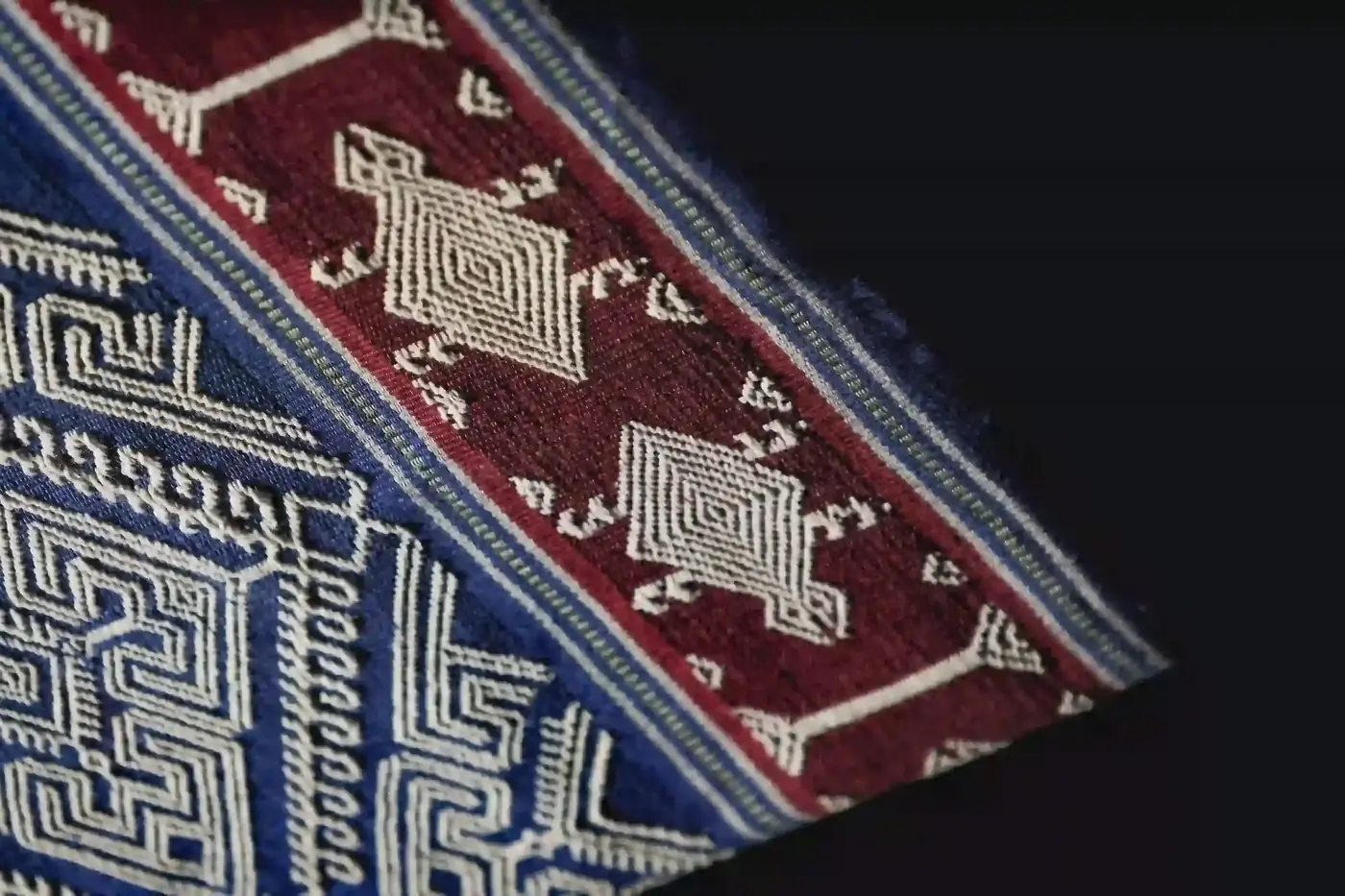
Grading in handwoven cloth rests on measurable things, not adjectives. A lot is described against five points and priced accordingly — and a buyer who says which of them matters most for their market gets a better lot than one who simply asks for the best price.
- Yarn: handspun cotton, machine-spun cotton, or a blend, stated explicitly per lot.
- Dye: natural dyes such as indigo and morinda root, synthetic dyes, or a combination.
- Registration: how crisply the resist-dyed pattern edges align when the warp is stretched.
- Density: threads per centimetre, which drives drape, weight and durability.
- Finish: selvedge tightness, fringe treatment, seam quality on joined panels.
A gift retailer and a museum shop are optimising for different variables, and both are legitimate.
What does a wholesale lot from Sumba actually contain?
Five formats
Because Sumba weaving is done on a backstrap loom, a single panel is generally between 45 and 70 cm wide, and everything wider is two panels joined at a centre seam. That single constraint shapes the whole catalogue: lots are built from formats the loom produces naturally rather than from arbitrary dimensions.
Hinggi-scale panels
Wall art, throws, statement retail pieces
Per piece, often in pairs
Narrow yardage
Cut-and-sew, fashion, accessories
Per metre or per warp length
Runners
Table and bed dressing, gift retail
Per piece, per size band
Cushion-face cuts
Home textile assembly
Per piece or per bundle
Mixed assortment cartons
Shop opening stock, market testing
Per carton, curated mix
Three ways to plan for dye variance
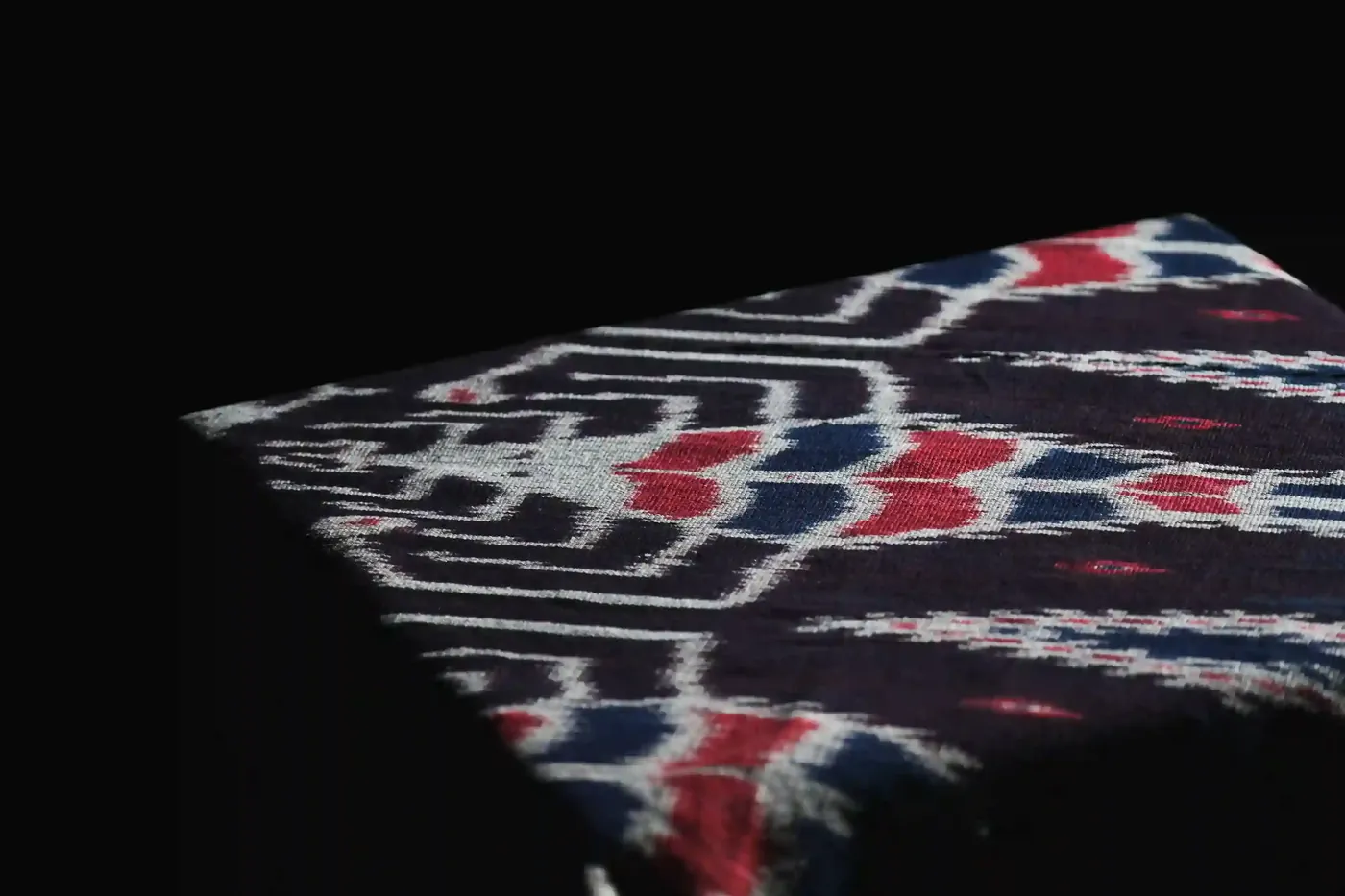
Natural dye baths are built up through repeated dipping and drying cycles, so two lots dyed weeks apart will not be identical, and no honest supplier will claim otherwise. Planning for variance is a commercial decision made at quotation stage, not a problem discovered on arrival.
-
01
One dye run
Order the whole season in a single run and accept a longer lead time.
-
02
Agreed tolerance
Set a range against a retained reference piece, and let the variation become part of the product story.
-
03
Synthetic dyes
Where absolute repeatability outranks provenance. A valid choice for some price points, and one that should be stated openly to end customers.
Why minimum order quantity is structured the way it is
Dressing a loom for a specific width and warp length is a fixed setup cost paid in labour before any cloth exists, which is why per-piece prices fall as the run gets longer. Minimums exist to make that setup worth doing rather than to gatekeep buyers.
Stock formats therefore carry low minimums, because the setup has already happened. Custom widths, non-standard lengths or a specific motif in a specific colourway carry higher minimums because they require a dedicated warp. Testing a market? Start with a mixed assortment from stock and move to custom runs once a bestseller emerges.
From enquiry to shipment
The same sequence for a first-time buyer and a repeat account, except that repeat orders skip sampling when a reference piece is already held on both sides.
-
01
Enquiry
Destination market, target formats, indicative quantity and price band.
-
02
Offer
Available stock, grade description, per-unit pricing at two or three volume tiers.
-
03
Sampling
Physical samples sent, or a stock piece reserved as the reference.
-
04
Confirmation
Quantities, grade, tolerance, packing method and delivery window fixed in writing.
-
05
Production or picking
Custom lots are woven and dyed; stock lots are picked and checked.
-
06
Inspection
Piece count, dimensions and grade verified against the confirmed specification.
-
07
Documentation and dispatch
Commercial invoice, packing list, and any origin or fibre documentation the destination requires.
Confirm three things on your own side before confirming a lot: the labelling standard your retail channel enforces, whether your customs regime treats handwoven cloth differently from mill-made textiles, and the packing format your warehouse can receive. Agreeing these at quotation stage prevents rework at the port.
Frequently asked questions
Four questions
Next step
Send the market, the formats and the price band you work in.
We send available stock, grade descriptions and tiered pricing. First-time buyers are welcome to start with a small assortment before committing to a season.