
The shortest way into Sumba ikat.
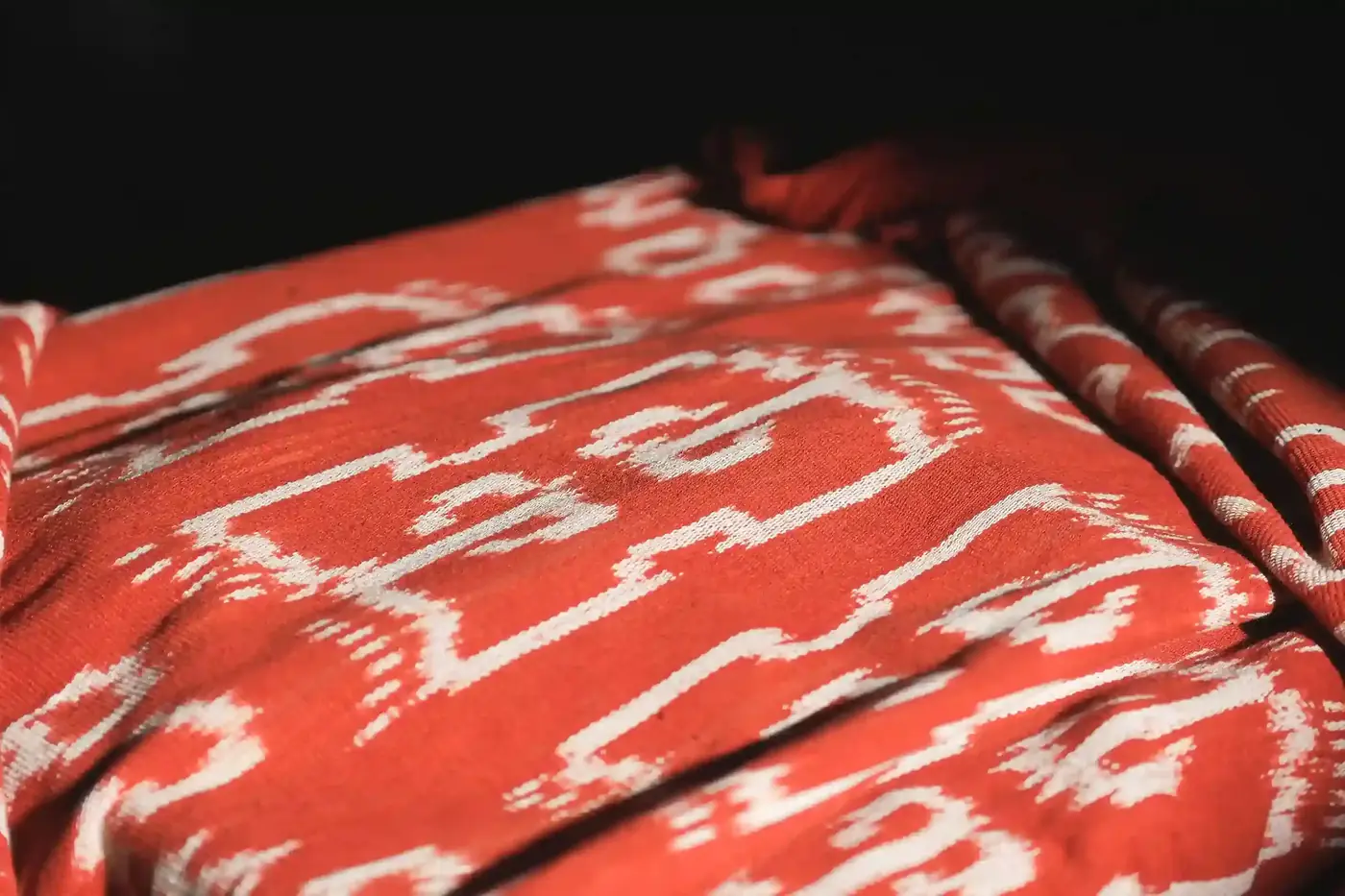
A narrow handwoven cotton cloth cut or woven to span a dining table. Runners cost less than a full ceremonial panel, rotate seasonally, and carry the same tied-and-dyed warp patterning that gives Sumba cloth its reputation.
- Runner widths
- 25–45cm
- Runner lengths
- 90–300cm
- Dye batch per set
- 1
What size should a Sumba ikat table runner be?
The working rule most stylists use: the runner should overhang each end of the table by 20 to 30 cm, or stop flush with the table edge for a tailored look, and it should never touch the floor. From there, width follows the table.
- Traditional Sumba looms produce cloth in a limited width, so very wide runners are joined along a centre seam or woven to order.
- If you need a seamless wide runner, say so at enquiry stage — it changes both the weaving plan and the lead time.
Width and length by table
Five settings
Two-seat cafe or bistro table
25–30 cm
90–120 cm
Six-seat dining table
35–40 cm
180–220 cm
Eight to ten-seat table
40–45 cm
240–300 cm
Console, sideboard, buffet
30–40 cm
Table length plus 40 cm
Round table (crossed pair)
25–30 cm
Diameter plus 50 cm
Which weave and dye suits a working dining room?
Naturally dyed cloth using morinda root and indigo has more depth than chemically dyed cloth, but it also reacts to moisture. A private dining room hosting guests twice a month carries natural dye comfortably. A restaurant running two services a day does not.
-
01
Natural dye, loose hand
Display tables, styling shoots and low-frequency use.
-
02
Natural dye, tight weave
The usual choice for villas and private residences.
-
03
Colourfast dye, tight weave
The practical option for restaurants and daily hospitality service.
-
04
Plain ground with ikat border
Hides light marking better than an all-over pattern.
Buyers who want the same cloth as yardage for napkins, placemats or upholstery can order handwoven Sumba ikat fabric by the meter and cut runners in-house.
Matching a set for a restaurant or villa
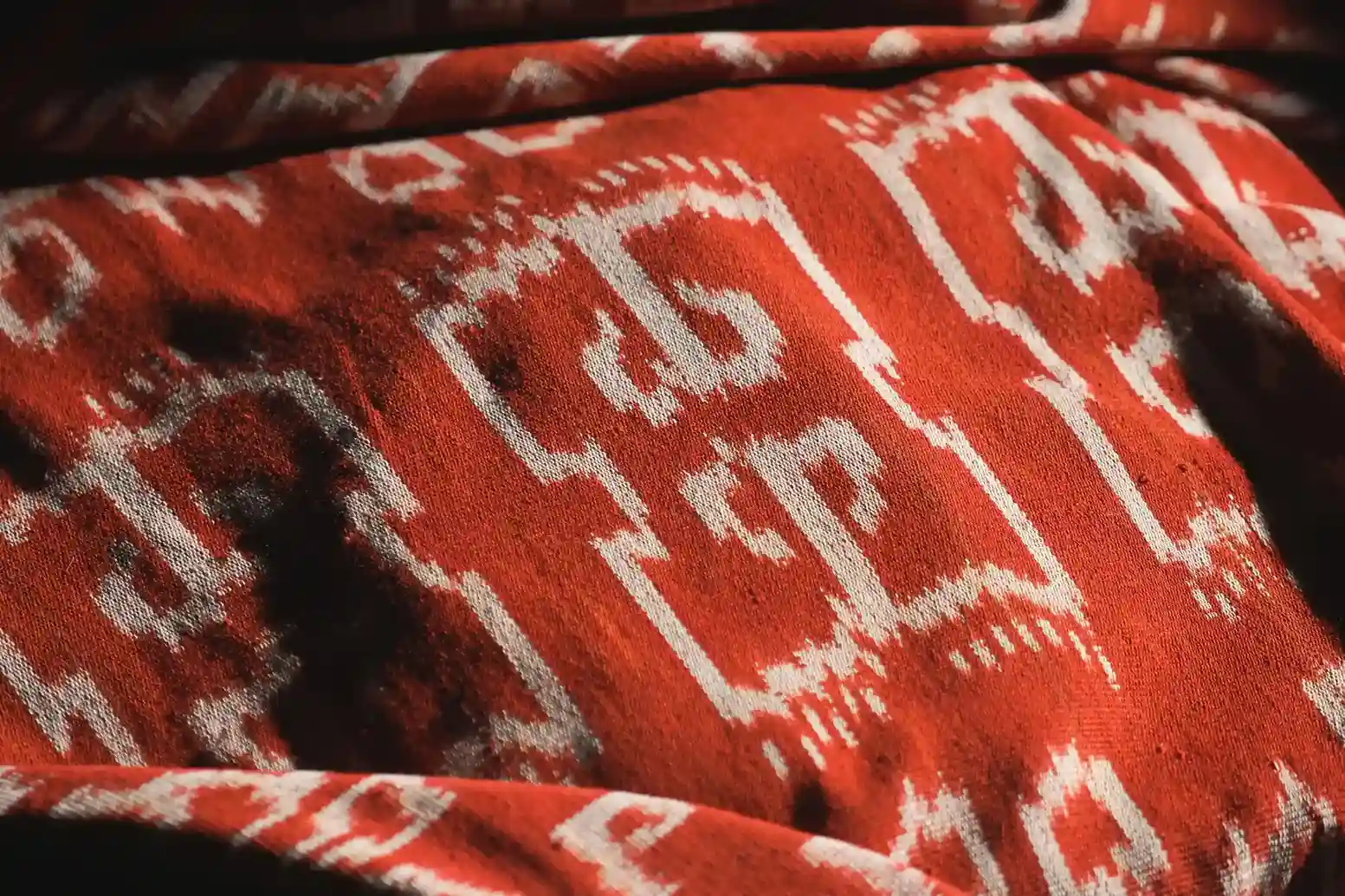
Handwoven cloth varies piece to piece, which is exactly why buyers choose it — but a dining room of twelve mismatched runners looks accidental rather than curated. We weave or select a set from one dye batch, since colour drift between batches is the single most visible inconsistency across a room.
For hospitality projects, order a spare allowance above the number of tables. Stains, burns and laundry accidents happen, and a matched spare is worth far more than a close approximation ordered a year later.
Care, laundering and realistic lifespan
Natural dyes release colour in hot water, so the failure most buyers report is not wear but a wash that dulled the cloth. Cold water, mild detergent, no bleach and shade drying keep a runner looking correct for years.
-
01
Wash separately at first
Some excess dye will always release in the first two washes.
-
02
Cold water, no soaking
Move quickly from wash to rinse.
-
03
Dry flat or in shade
Never in direct midday sun.
-
04
Iron from the reverse
Medium heat, while the cloth is slightly damp.
-
05
Blot, do not rub
Rubbing a spill drives dye migration.
For daily-service restaurants, rotate two or three sets so no single runner is laundered continuously — that is the fastest way to age handwoven cotton.
Frequently asked questions
Four questions
Next step
Send your table sizes and we will send what is available.
Table dimensions, quantity, colour direction and destination country. We reply with current availability, photographs and a written quotation, and say plainly what is in stock versus what needs weaving.