
Planning a Weaving Village Visit on Sumba Island
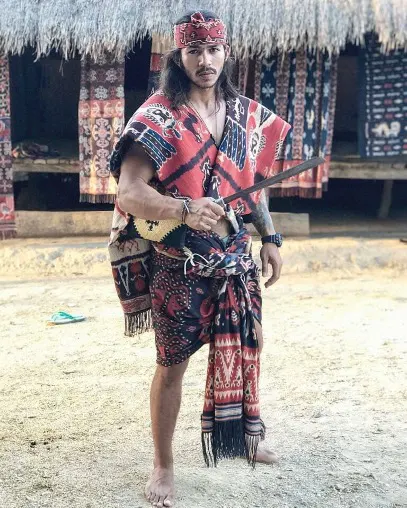
A weaving village visit on Sumba works when you treat it as an appointment inside a living community rather than as a stop on a sightseeing route: permission is sought from the village first, arrival is timed to the dry months when dyeing and drying actually happen, and the day is built around one or two villages instead of five. Sumba textile weaving is a slow craft spread across months, so what you see on any given day depends entirely on where the current cloth sits in that cycle.
When is the best time to visit in 2027?
The practical window is the dry season, broadly May through October, because natural dyeing and open-air drying depend on sustained sunshine and unpaved roads to inland villages become difficult in heavy rain. The wet months from about November to March are not empty — tying and weaving continue indoors — but the visible dye work thins out. Anyone planning a 2027 trip around the Pasola horseback ritual in West Sumba, held in the February to March period and set by local ritual calendars rather than a fixed date, should confirm timing locally close to departure and accept that accommodation fills early in that window.
How do you get to Sumba?
Sumba has two airports and they serve different halves of the island. Umbu Mehang Kunda Airport at Waingapu serves East Sumba, the heartland of hinggi ikat, while Tambolaka Airport serves the southwest, closer to the megalithic villages and the pahikung and beadwork traditions. Both are reached by domestic flights, most commonly via Bali or Kupang. The overland road between the two ends of the island takes the better part of a day, so a trip that must cover both should budget a full transfer day rather than treating it as an afternoon drive.
Where does the weaving actually happen?
Weaving is not evenly distributed. East Sumba is where the classic ikat formats concentrate, and within it a handful of villages are long-established centres.
| Area | Base town | What it is known for |
|---|---|---|
| Prailiu and the Waingapu fringe | Waingapu | Accessible weaving households; good first stop for understanding the process end to end |
| Kaliuda and the eastern coast | Melolo or Waingapu | Fine ikat with a long-standing reputation for natural-dye work |
| Rende, Pau, and Umabara | Melolo | Traditional noble houses, megalithic tombs, and hinggi in classic registers |
| Southwest Sumba villages | Tambolaka or Waikabubak | Supplementary-warp pahikung, beadwork traditions, and hilltop ancestral villages |
How should a visitor enter a village?
Sumbanese villages are governed by customary authority, and entry is a social act with a protocol attached. Contact should be made in advance through a local guide or the household you are visiting, and on arrival it is normal to greet the village head or the senior member of the house before anything else. Bringing betel and areca nut as a customary gift is the widely understood gesture of respect in Sumba, and in many ancestral villages a contribution to the community is expected and should be given openly rather than pressed into someone’s hand. Ask before photographing people, houses, or rituals; do not climb on or sit on the megalithic tombs that stand in village courtyards; and dress modestly, particularly in villages that are still ritual centres.
What can you realistically see in one day?
The three stages of ikat happen on completely different timescales. Binding the resist onto the warp is continuous work that you can almost always watch. Weaving on the backstrap loom is likewise a daily activity in an active household. Dyeing, by contrast, is episodic: indigo and morinda baths are built through repeated immersions with drying and oxidation between them, so a live dye day is a matter of luck unless it is arranged in advance. A buyer who wants to see the full arc should ask the host household which stage is running that week and plan the itinerary around it rather than around the map. Sourcing programmes built on repeat visits, such as our artisanal sumba cloth line, exist precisely because a single trip cannot cover an entire production cycle.
Buying inside the village: how to do it well
Village purchasing rewards patience and punishes hard bargaining. A natural-dye hinggi may represent the better part of a year of intermittent work by one household, and driving the price to the floor is not a win; it simply tells the weaver that this kind of work is not worth continuing. Ask what dyes were used and accept the answer as information rather than as a bargaining lever. Ask who wove the piece and how long it took. Photograph the reverse as well as the face. If you are buying more than one or two pieces or intend to reorder, agree the follow-up through a structured channel rather than by handshake — that is the difference between tourism and a working relationship, and it is what a direct textile supplier arrangement formalises.
What to bring
- Cash in small denominations, since card acceptance outside the main towns is limited and ATMs are concentrated in Waingapu, Waikabubak, and Tambolaka.
- Betel and areca nut, plus modest gifts such as coffee or sugar, for households you visit.
- A vehicle with a driver who knows the inland roads; village access frequently involves unsealed tracks.
- Sun protection and water for long, hot inland drives, and a soft bag for any cloth you buy so it is not creased hard in transit.
- Written notes of what you agreed with each household, including dye class and price, so that a later order does not rest on memory.
Frequently asked questions
Do I need a guide to visit a weaving village?
A local guide is strongly advisable and often practically necessary. Beyond language, a guide handles the customary introduction to the village head, knows which households are actively weaving that week, and prevents the common error of arriving unannounced during a ritual period when visitors are not welcome. Roads to inland villages are also easier with a driver who knows them.
Can I watch natural dyeing on any day?
No. Indigo and morinda dyeing are built through repeated immersions spread over weeks or months, with drying between them, so dye days are episodic rather than daily. Tying the resist and weaving on the backstrap loom can usually be seen at any time in an active household. If watching a dye bath matters to you, arrange it in advance with the host.
Is it appropriate to negotiate the price in a village?
Modest, respectful discussion is normal, but aggressive haggling on natural-dye work is not. A single finely tied hinggi can represent months of intermittent labour by one household, and cutting deep into that price discourages the very craft the visit came to see. Ask what the piece involved before you talk about money.
Which side of the island should a first-time textile buyer visit?
East Sumba, with Waingapu as the base, if the priority is classic hinggi ikat and natural-dye workshops, since the eastern villages are the traditional centre of that format. Southwest Sumba, based at Tambolaka or Waikabubak, suits visitors more interested in supplementary-warp pahikung, beadwork, and the ancestral hilltop villages.
Plan your sourcing visit with us
Tell us your travel window, which cloth types you want to see in production, and whether you intend to buy on the trip, and we will help shape a realistic village itinerary. Reach us on WhatsApp at https://wa.me/6281139414563 or email [email protected].
Related
Keep reading
Craft and Culture
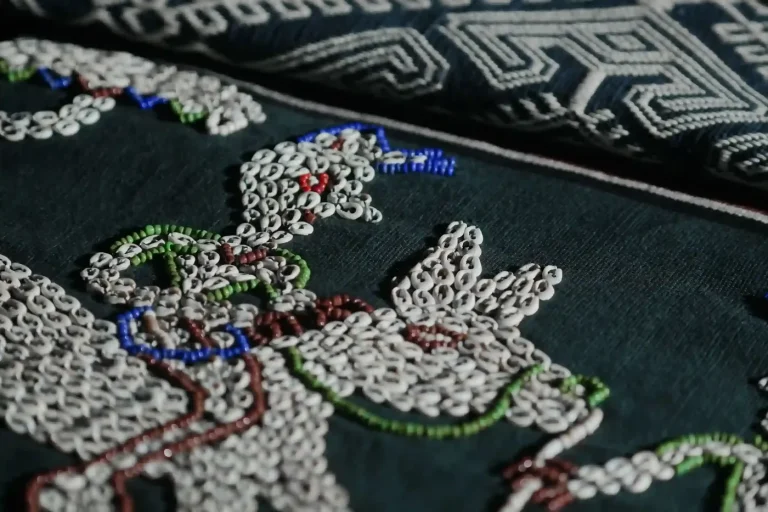
Sumbanese Traditional Cloth Symbols Explained
The motifs on Sumbanese traditional cloth are a language of rank, lineage, and the passage between the living and the…
Craft and Culture
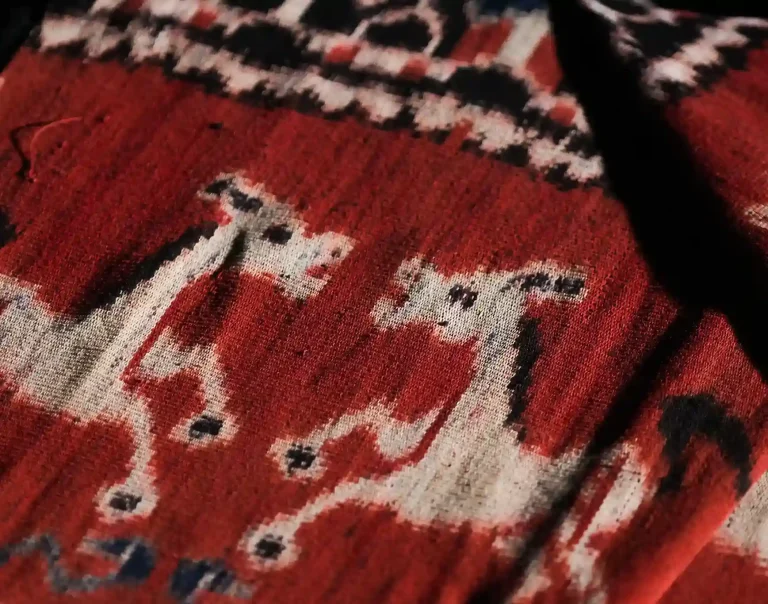
Indonesian Ikat from Sumba vs Other Regions
Sumba ikat is warp ikat, worked in cotton, and composed as large figurative panels — and almost every difference between…
Craft and Culture
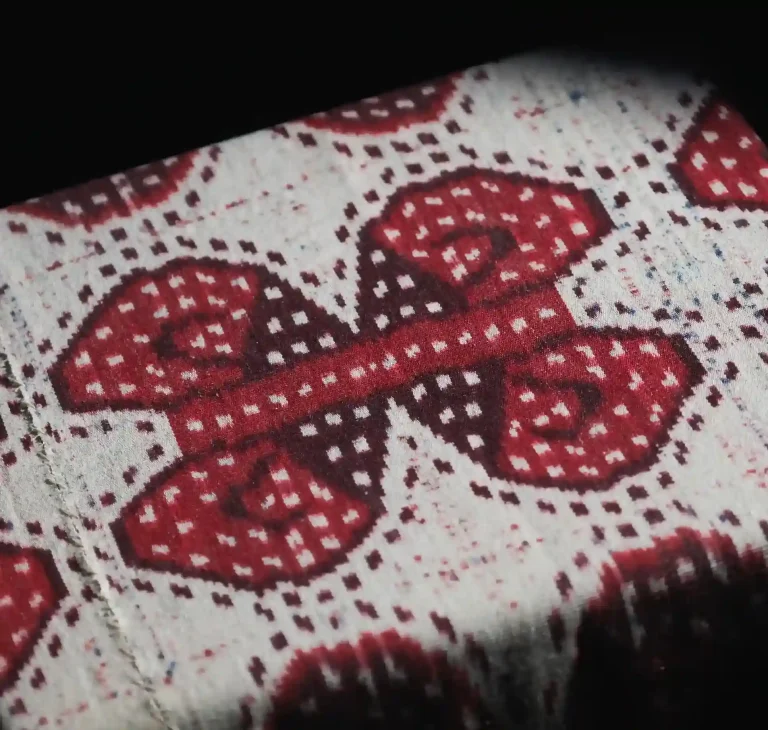
How Sumba Ikat Is Woven: Loom to Finished Cloth
Sumba ikat is made by dyeing the pattern into the yarn before a single row is woven: bundles of warp…