
Heritage Sumba Textiles for Curators & Galleries
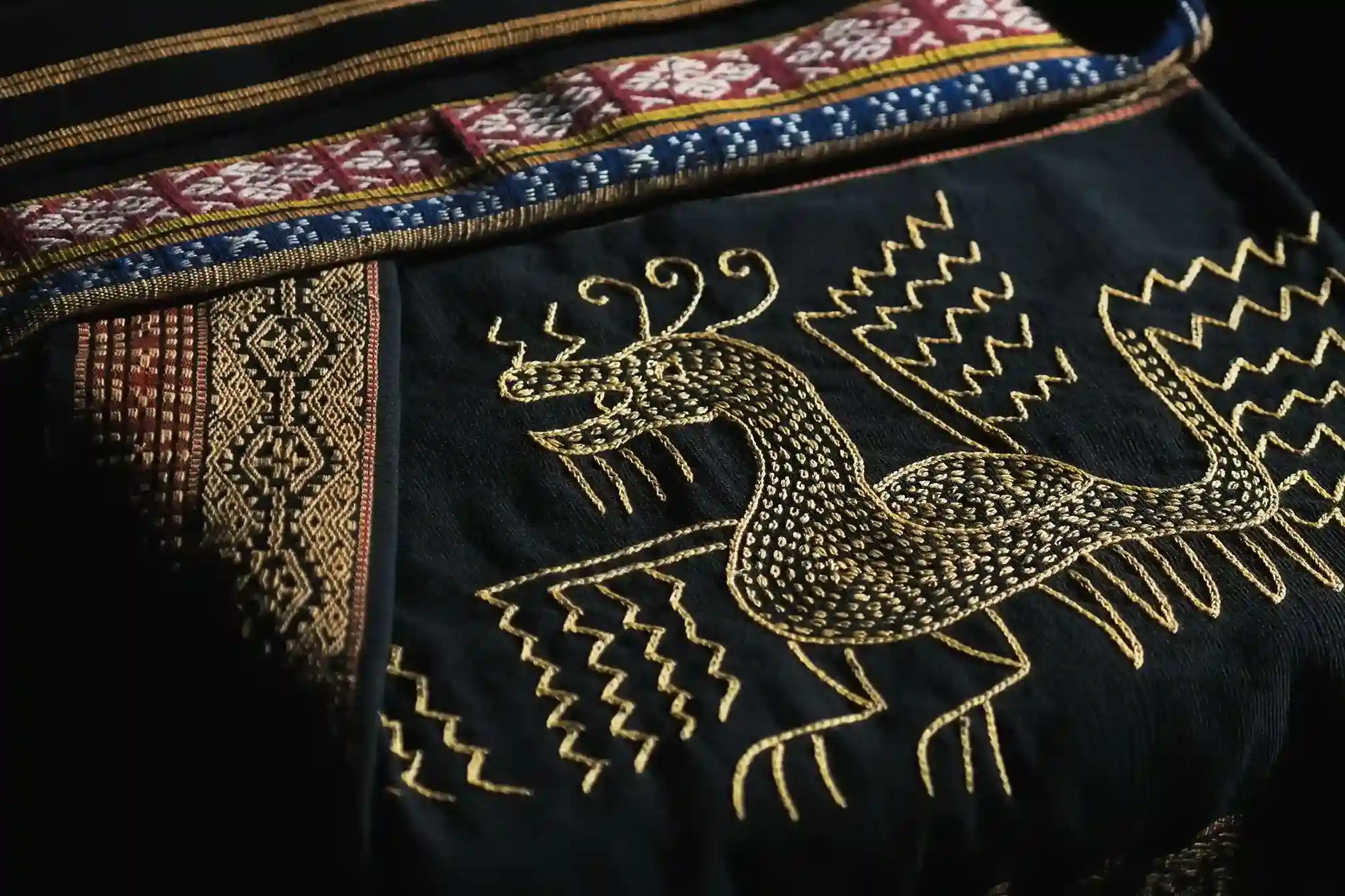
A heritage Sumba textile becomes a museum-grade object only when four things travel with it: a documented acquisition history, a technical description of fibre and dye, a written condition report, and a lawful export trail — a cloth without that file is decoration, however beautiful it is. Curators who insist on all four at the point of acquisition avoid the two problems that most often surface later: an unverifiable attribution and an unclear legal status.
What belongs in an acquisition file?
Build the record before the piece enters the store, not after. A workable minimum for a Sumba textile covers the following fields, each recorded as evidence rather than as assertion:
- Object identity: format (hinggi, lau, panel), dimensions, weight, and whether the cloth is a joined pair of panels.
- Technique: warp ikat, supplementary warp, beadwork or applied elements, and the character of the end finish.
- Materials: yarn type and whether it appears hand-spun or machine-spun; dye class stated as observed, tested, or reported.
- Region and attribution: the specific area within Sumba where documented, with the source of that attribution named.
- Provenance: chain of custody as far back as it can be evidenced, including collector, dealer, and date of each transfer.
- Legal documentation: purchase records, export paperwork, and any cultural-property clearance obtained.
- Condition: photographic record front, reverse, seam, and both end bands, plus a written condition statement.
How is age and authenticity assessed?
Three physical indicators do most of the work before any laboratory is involved. Yarn is the first: hand-spun cotton varies in thickness along its length and lends the cloth a slightly irregular surface, while uniform machine-spun yarn points to later production. Dye class is the second, and it functions as a dating tool, because synthetic dyes only enter the material record after their commercial introduction in the industrial era; a cloth showing clearly synthetic colours cannot be older than that horizon regardless of the story attached to it. Construction is the third: hand-twined warp-end bands, panel joins matched motif by motif, and evidence of use and repair all read differently from goods finished for the trade. Where a claim is significant, dye analysis by a conservation laboratory replaces opinion with evidence, and the report should be filed with the object.
What does a proper condition report record?
A condition report is a dated baseline, not a verdict on quality. It should note losses and holes with locations, thread abrasion and weakened areas, dye migration or bleeding, staining and its likely nature, previous repairs and whether they are stable, distortion along the seam, and the state of the end finishing. Photograph each observation at scale. The point of the baseline is comparison: when the piece returns from a loan or comes out of store after five years, the only reliable way to detect change is against a record made when it arrived.
What storage and display parameters apply?
Textiles are among the most light-sensitive objects a gallery handles, and dyed textiles more so than undyed ones. Conservation guidance widely applied to such material is summarised below; institutions should follow their own written policy and their conservator’s advice for a specific object.
| Parameter | Commonly applied practice | Why it matters for Sumba cloth |
|---|---|---|
| Illumination | Low light levels for sensitive dyed textiles, around 50 lux, with cumulative annual exposure limited | Morinda red and other natural dyes shift irreversibly under ultraviolet and prolonged visible light |
| Relative humidity | Stable, typically in the mid-40s to mid-50s percent, avoiding swings | Cotton is hygroscopic; cycling drives dimensional stress and encourages mould |
| Temperature | Stable and moderate rather than a specific ideal figure | Fluctuation accelerates chemical ageing and drives humidity swings |
| Storage form | Rolled on padded, inert tubes with acid-free interleaving; flat where size allows | Hard folds crack fibres and set permanent creases along motif registers |
| Display rotation | Timed rotation with rest periods in dark storage | Allows exhibition without spending the object’s light budget in one installation |
How should a textile be mounted for exhibition?
Support the whole object, never a few threads. The standard approach for a large hanging cloth is a soft loop tape sewn to a strip lining that is stitched across the reverse, engaging a batten fixed to the wall so the load is distributed along the full top edge. Fragile or fragmentary pieces are better supported on an inert padded board, stitched with fine thread, and glazed with ultraviolet-filtering material. Pins, adhesives, and pressure clamps have no place on a heritage textile. Where a piece is to be shown flat in a case, provide a slightly raked, fully supporting mount rather than laying the cloth on a hard base.
Is the acquisition legally and ethically sound?
Indonesia regulates the export of objects that qualify as cultural property, and old textiles can fall within that category in a way that newly woven work does not. A responsible institution therefore establishes age and legal status before purchase, requires the seller to produce the export documentation trail, and records what could not be verified as clearly as what could. Where age is uncertain or the trail is broken, the honest catalogue entry says so. Many institutions resolve the tension by commissioning new work for interpretive and educational display alongside a smaller number of documented historical pieces; our heritage cloth collection service and our village-sourced artisanal sumba cloth line are kept as separate, clearly labelled streams for exactly that reason.
Frequently asked questions
How do curators date a Sumba textile without a laboratory?
By reading materials and construction. Hand-spun cotton varies in thickness along the thread and gives an irregular surface, while uniform yarn indicates industrial spinning. Clearly synthetic colours place a piece after the commercial introduction of those dyes. Hand-twined end bands, motif-matched panel seams, and evidence of use and repair support an earlier attribution. Laboratory dye analysis is used where the claim carries real weight.
What light level is appropriate for displaying dyed textiles?
Conservation practice widely applied to light-sensitive dyed textiles works around 50 lux, with total annual exposure managed rather than just the instantaneous level. The cumulative dose is what causes irreversible colour shift, so timed rotation with rest periods in dark storage lets an institution exhibit a piece repeatedly without exhausting its light budget in a single long installation.
Should heritage textiles be stored rolled or folded?
Rolled, on a padded inert tube with acid-free interleaving, whenever the size allows; flat storage in a shallow drawer is also acceptable for smaller pieces. Hard folds crack fibres over time and set permanent creases, and those creases fall exactly where the motif registers sit on a hinggi. Sealed plastic should be avoided because it traps moisture in humid climates.
Can a gallery commission new work rather than buy antique cloth?
Yes, and many do. Commissioning newly woven pieces from Sumba weaving households avoids cultural-property complications entirely, supports the living craft, and allows the maker to be named and credited in the label with their consent. Institutions commonly pair a small number of documented historical pieces with commissioned contemporary work for interpretive display.
Discuss an acquisition or exhibition
Tell us the exhibition brief, the documentation standard you work to, and your installation date, and we will advise on what can be sourced and what should be commissioned. Reach us on WhatsApp at https://wa.me/6281139414563 or email [email protected].
Related
Keep reading
Craft and Culture
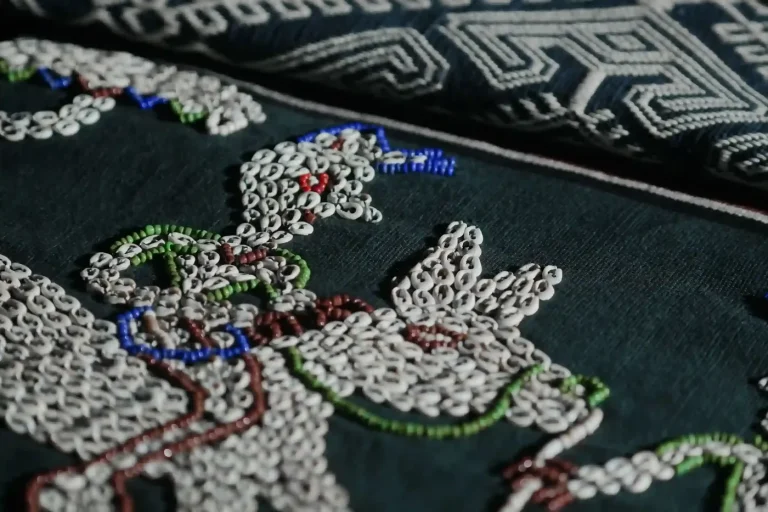
Sumbanese Traditional Cloth Symbols Explained
The motifs on Sumbanese traditional cloth are a language of rank, lineage, and the passage between the living and the…
Craft and Culture
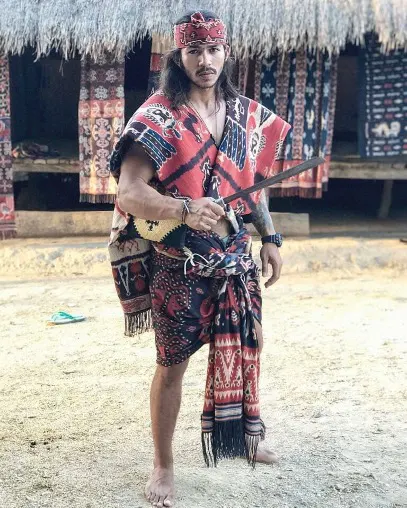
Planning a Weaving Village Visit on Sumba Island
A weaving village visit on Sumba works when you treat it as an appointment inside a living community rather than…
Craft and Culture
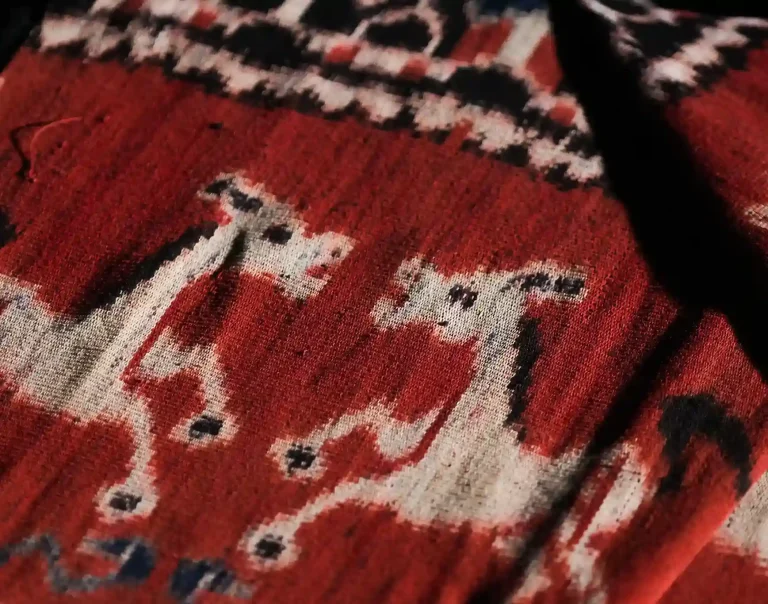
Indonesian Ikat from Sumba vs Other Regions
Sumba ikat is warp ikat, worked in cotton, and composed as large figurative panels — and almost every difference between…