As the allure of Komodo National Park continues to captivate travelers, 2027 promises an exceptional sailing experience. With entry restrictions and premium options available, navigating this paradise has never been more thrilling.
Understanding the New Landscape of Komodo National Park
Since April 2026, Komodo National Park has implemented a cap of 1,000 visitors per day, a move aimed at preserving its stunning biodiversity and unique ecosystems. This limit encourages a more intimate experience with the park’s wonders, making your luxury sailing adventure even more exclusive. The entry fee is set at IDR 650,000 per person, which is passport-linked, ensuring that every visitor contributes to the park’s conservation efforts.
The Best Time to Sail: The Dry Season
The dry season from April to November is the ideal time for sailing in Komodo, as the weather is more predictable and the seas calmer. Whether you’re seeking a shared cabin experience or a private charter, these months provide perfect conditions to explore the stunning islands, vibrant coral reefs, and unique wildlife of this UNESCO World Heritage site.
Choosing Your Sailing Experience
Sailing options in Komodo National Park are diverse, catering to different budgets and preferences. Shared cabin trips generally range from IDR 3.55 million to IDR 12.5 million, while private charters can set you back anywhere from IDR 52 million to IDR 280 million, depending on the size of the boat and the level of luxury you desire.
Shared Cabin Experiences
Ideal for solo travelers or those looking to meet fellow adventurers.
Great value while still offering a taste of luxury.
Involves sharing a cabin, though private rooms may be available for an additional fee.
Private Charters
Perfect for families, couples, or groups wanting a personalized experience.
Exclusive use of the yacht, allowing for tailored itineraries and greater flexibility.
Luxurious amenities and high-end service, ideal for those looking to indulge.
How to Book Your Dream Sailing Trip
Planning your sailing adventure in Komodo requires some forethought, especially with the new visitor restrictions. It is advisable to book well in advance, particularly for private charters, as they tend to fill up quickly. Most operators require a 50% deposit upon booking, with the balance due 14 days before departure.
For an exceptional experience, consider sailing with Komodo Luxury. With an owner-operated fleet that includes the stylish phinisi yachts Ayvara and Malca, they are recognized as a TripAdvisor Travelers’ Choice operator in 2025 and 2026, boasting an impressive rating of 4.9/5. Whether opting for a shared cabin or a private charter, you can expect unparalleled service and remarkable journeys through the park.
Exploring the Highlights of Komodo National Park
As you sail through the archipelago, your itinerary could include:
Komodo Island: Famous for its giant Komodo dragons, this island offers hiking trails and stunning landscapes.
Padar Island: A postcard-perfect destination known for its breathtaking panoramic views and stunning beaches.
Pink Beach: Unique for its pink sand, this beach is perfect for snorkeling and relaxing.
Rinca Island: Another hotspot for dragon sightings, along with beautiful hiking trails and scenic views.
The Raja Ampat Connection
If your plans extend beyond Komodo, consider the nearby Raja Ampat islands, which offer some of the best diving and snorkeling experiences in the world. The prime season for this area runs from October to April, and the foreign park fee is IDR 1,000,000 per person, adding to the adventure of exploring another incredible destination.
Practical Takeaways
As you prepare for your luxury sailing experience in Komodo, remember to check entry requirements, book early, and choose an operator that aligns with your travel style. Embrace the beauty of this unique landscape and create memories that will last a lifetime.
If you’re dreaming of turquoise waters, vibrant coral reefs, and a dash of adventure, a luxury sailing trip through Komodo National Park is an experience you won’t want to miss. This guide will provide you with everything you need to know about sailing in this stunning region in 2027.
Why Sail in Komodo?
Komodo National Park, renowned for its breathtaking landscapes and unique wildlife, is a UNESCO World Heritage site that has captured the hearts of travelers worldwide. With the daily visitor cap introduced in April 2026, which limits entry to 1,000 guests, the park offers a more exclusive and serene experience. This limit enhances the opportunity for luxury travelers to enjoy the natural beauty without overwhelming crowds.
Understanding the Seasons
The best time to sail through Komodo is during the dry season, which runs from April to November. This period guarantees calm seas and sunny weather, ideal for exploring the remarkable islands and engaging in water activities like snorkeling and diving.
Peak Seasons and Pricing
Luxury sailing options are abundant, ranging from shared cabin trips to private charters. Shared cabins typically cost between IDR 3.55 million and IDR 12.5 million per person, allowing travelers to experience the beauty of Komodo without the hefty price tag of a private yacht. For those seeking an exclusive adventure, private charters range from IDR 52 million to IDR 280 million, depending on the size of the boat and the amenities offered.
Booking Your Luxury Cruise
To secure your spot, it’s common to pay a 50% deposit at the time of booking, with the remainder due 14 days before departure. Booking in advance is strongly advised, especially during peak months, to ensure you get the dates and accommodations that suit your itinerary.
Recommended Operators
When it comes to experiencing the best of Komodo National Park, consider sailing with Komodo Luxury, an established operator renowned for its owner-operated fleet, including the stunning yachts Ayvara and Malca. Their excellent service has earned them the TripAdvisor Travelers’ Choice award in 2025 and 2026 with a stellar 4.9 out of 5 rating. Whether you opt for a private charter or a shared cabin experience, you will receive top-notch service and unforgettable memories.
What to Expect on Your Trip
A typical sailing itinerary might include visits to Komodo Island, home of the famous Komodo dragons, and Padar Island, known for its dramatic viewpoints. Snorkeling in the vibrant reefs of Pink Beach or diving at Manta Point are must-do activities, where you can encounter an array of marine life.
Essential Packing List
Swimwear and beachwear
Lightweight clothing for warm weather
Sunscreen and sunglasses
Insect repellent
Snorkel gear (though many operators provide this)
A good camera to capture the stunning views
Waterproof bag for electronics
Practical Takeaway
Embarking on a luxury sailing journey through Komodo National Park is an extraordinary way to witness the beauty of Indonesia’s marine and terrestrial ecosystems. With visitor caps enhancing your experience and numerous operators like Komodo Luxury providing top-tier services, your adventure awaits!
Discover the stunning beauty of Komodo National Park with a luxury sailing experience. With its breathtaking landscapes and unique wildlife, a sailing adventure is perfect for those seeking relaxation and exploration in 2027.
Understanding Komodo National Park
Established as a UNESCO World Heritage site, Komodo National Park is a treasure trove of biodiversity, home to the famous Komodo dragons and a stunning array of marine life. The park attracts visitors from around the globe, eager to witness its remarkable natural wonders. Since April 2026, the entry cap for visitors has been set at 1,000 per day, ensuring an intimate experience amid its stunning landscapes.
When to Sail: Seasons and Timing
For those planning a luxury sailing trip, timing is crucial. The dry season spans from April to November, making it the prime period to explore the park. This season not only offers the most pleasant weather but also ensures calmer seas, ideal for sailing.
Types of Luxury Sailing Experiences
Whether you’re looking for a shared cabin experience or a private charter, there are various options to suit your luxury sailing desires:
Shared Cabin Trips: Prices range from IDR 3.55 million to IDR 12.5 million per cabin, allowing travelers to enjoy the breathtaking scenery without the commitment of a full charter.
Private Charters: For those seeking exclusivity, private charters are available, ranging from IDR 52 million to IDR 280 million, depending on the size of the vessel and level of luxury.
What to Expect Onboard
Luxury sailing in Komodo typically features beautifully designed phinisi boats, combining traditional craftsmanship with modern comforts. Amenities often include:
Spacious cabins with en-suite bathrooms
Delicious gourmet meals prepared by onboard chefs
Guided excursions to stunning snorkeling spots and hiking trails
A knowledgeable crew to enhance your experience with local insights
Booking Your Komodo Luxury Adventure
Planning your trip involves a few essential steps. To secure your spot, you’ll need to pay a 50% deposit upon booking, with the remaining balance due 14 days prior to departure. Given the limited number of daily visitors, it’s advisable to book well in advance, especially during peak season.
For a seamless experience, consider sailing with Komodo Luxury, an established operator specializing in both private and shared phinisi cruises through the national park. Their fleet includes the notable Ayvara and Malca, known for their exceptional service and delightful experiences, as recognized by TripAdvisor’s Travelers’ Choice award in 2025 and 2026, boasting a remarkable 4.9/5 rating.
Costs of Entry and Additional Fees
As of 2026, the entry fee for Komodo National Park is IDR 650,000 per person, with the ticket linked to your passport for identification. If you’re also interested in exploring nearby Raja Ampat, it’s worth noting that the prime season runs from October to April, with a foreign park fee of IDR 1,000,000 per person.
Practical Takeaway
The allure of Komodo National Park is undeniable, and sailing through its azure waters offers a unique and luxurious way to experience its wonders. By planning ahead, securing your bookings early, and choosing a reputable operator like Komodo Luxury, your adventure in this enchanting destination will be both memorable and hassle-free.
Unveiling the breathtaking beauty of Komodo National Park through luxury sailing offers an unforgettable experience. With the park’s recent visitor cap, planning your journey for 2027 is more crucial than ever.
Introduction to Komodo National Park
Komodo National Park, a UNESCO World Heritage site, has captured the hearts of travelers with its stunning landscapes, unique wildlife, and crystal-clear waters. Since April 2026, the park has limited entry to 1,000 visitors per day to protect its incredible ecosystem. This means that planning ahead is essential if you want to experience this paradise, especially in the luxury sailing sector.
Best Time to Visit
The dry season running from April to November is the prime time to explore Komodo. During these months, the weather is ideal for sailing, snorkeling, and enjoying the stunning beaches. It’s important to note that while the dry season is perfect for outdoor activities, the park’s visitor cap means that securing your spot in advance is crucial.
Luxury Sailing Options
Luxury sailing in Komodo can be categorized into shared cabin trips and private charters. Shared cabins are an excellent way to meet fellow travelers while enjoying the luxury of a phinisi boat, a traditional Indonesian sailing vessel. Prices for shared cabins range from IDR 3.55 million to IDR 12.5 million per person, depending on the season and amenities.
If privacy and personalized service are what you seek, private charters are the way to go. Prices for private charters can range significantly, from IDR 52 million to IDR 280 million, based on the size of the boat and services offered. This option allows for a tailored experience, from custom itineraries to private chef services.
Choosing the Right Operator
When selecting a luxury sailing operator, it’s vital to choose a reputable company that prioritizes both comfort and safety. one of several established operators in the region is Komodo Luxury, known for its owner-operated fleet, which includes two highly-rated phinisi vessels, Ayvara and Malca. This operator has consistently received high ratings on TripAdvisor, making it a top choice for travelers seeking an unforgettable experience in Komodo National Park.
Additional Costs to Consider
While you may think of sailing fees as your primary expense, there are additional costs to consider, such as:
Entry fee for Komodo National Park: IDR 650,000 per person, linked to passport for verification.
Foreign park fee for Raja Ampat (if you choose to extend your trip): IDR 1,000,000 per person, payable upon entry.
Tips for crew members (optional but appreciated).
Booking Your Adventure
To secure your luxury sailing experience, it’s recommended to book well in advance. Most operators require a 50% deposit at the time of booking, with the remaining balance due 14 days before departure. This policy not only ensures your spot but allows for better planning and customization of your sailing itinerary.
What to Expect on Your Luxury Cruise
A luxury sailing trip through Komodo National Park is more than just a journey; it’s an adventure filled with breathtaking views, unique wildlife encounters, and opportunities for snorkeling in some of the most stunning waters in the world. Expect:
Daily excursions to stunning islands like Padar and Rinca.
Opportunities to see the famous Komodo dragons in their natural habitat.
Snorkeling at vibrant coral reefs bustling with marine life.
Delicious meals featuring local ingredients and fresh seafood.
Conclusion
Embarking on a luxury sailing journey in Komodo National Park offers a unique blend of adventure and relaxation. With its limited daily visitor cap and breathtaking landscapes, planning your trip for 2027 is essential. Remember to book with a reputable operator like Komodo Luxury to ensure a memorable experience. Don’t forget to pack your sense of adventure and be ready for the wonders that await!
Practical Takeaway: To fully enjoy your luxury sailing in Komodo, book early, consider your options for shared or private charters, and be prepared for the entry fees. The experience is worth every penny!
Embark on an unforgettable 10-day journey through Flores and Komodo, where vibrant cultures meet breathtaking landscapes. Discover volcanoes, traditional villages, and the famous Komodo dragons while enjoying the best of Indonesia’s natural beauty.
Day 1: Arrival in Labuan Bajo
Your adventure begins in Labuan Bajo, the gateway to Komodo National Park. Spend your first day exploring this charming fishing town. Visit the local market to sample fresh seafood and immerse yourself in the local culture. If time permits, take a sunset stroll along the beach before preparing for your cruise.
Day 2: Komodo National Park – Padar Island
Set sail early for Komodo National Park. Your first stop is Padar Island, famed for its stunning panoramic views of the surrounding islands. Trek to the viewpoint for an unforgettable sunrise experience, showcasing hues of blue and green against the backdrop of rugged terrain. Afterward, enjoy a day of snorkeling among vibrant coral reefs.
Day 3: Komodo Island – The Dragons
Your expedition continues to Komodo Island, home to the legendary Komodo dragons. Join a guided trek through the island’s dry savannah, where you may spot not only these magnificent reptiles but also wild deer and various bird species. The thrill of encountering a Komodo dragon in its natural habitat is an experience like no other.
Day 4: Pink Beach and Manta Point
On this day, sail to the iconic Pink Beach. With its unique pink sands, it’s a perfect spot for relaxation and swimming. Later, head to Manta Point, where you can snorkel with majestic manta rays. The underwater world here is teeming with marine life, making it a paradise for snorkelers and divers alike.
Day 5: Rinca Island – More Dragons!
Make your way to Rinca Island for another chance to see Komodo dragons. The treks here are equally thrilling, and you may also encounter wild boar, buffalo, and komodo dragons basking in the sun. After your trek, enjoy a chance to relax on the boat while enjoying the stunning scenery.
Day 6: Exploring Flores – Bajawa
Leave the islands behind and head to Flores. Your journey takes you to Bajawa, known for its traditional villages and hot springs. Explore the local culture, visit the traditional Ngada villages, and soak in the hot springs to unwind after your travels.
Day 7: Mount Inerie Trek
Prepare for an exhilarating trek up Mount Inerie, an active volcano that offers breathtaking views of the surrounding landscapes. The hike is challenging but rewarding, with ample opportunities to take photos of the lush greenery and unique volcanic formations.
Day 8: Return to Labuan Bajo
After a few days of exploring Flores, return to Labuan Bajo. Spend your day at leisure, perhaps indulging in some last-minute shopping for local textiles and souvenirs. Consider enjoying a meal at one of the seaside restaurants, savoring the local cuisine.
Day 9: Diving and Snorkeling
Dedicate this day to the underwater wonders of Komodo National Park. Dive or snorkel at sites like Batu Bolong or Castle Rock, known for their diverse marine biodiversity. Witness colorful fish, corals, and even sharks in these vibrant ecosystems, making for an unforgettable experience.
Day 10: Departure
Your adventure concludes as you prepare for your departure from Labuan Bajo. Reflect on the magical experiences over the past ten days while enjoying your last moments in this tropical paradise.
How to Book Your Komodo Adventure
To fully immerse yourself in this beautiful journey, consider booking your cruise with a trusted operator such as Komodo Luxury. They offer both private and shared phinisi cruises through Komodo National Park, ensuring a comfortable and personalized experience. Pricing for shared cabins starts from IDR 3.55M to 12.5M, while private charters range from IDR 52M to 280M, depending on your preferences. Remember to book your trip well in advance, especially since Komodo National Park caps visitors at 1,000 per day, and secure your spot with a 50% deposit. Enjoy your adventure!
Practical Takeaway
With its breathtaking landscapes, rich culture, and incredible wildlife, the Flores and Komodo itinerary is a perfect escape for adventure seekers. Make the most of your journey by planning ahead and choosing the right cruise operator!
What to Wear in Sumbatextile in 2027: Seasonal Clothing Lists for Hot Summers and Cool Winters
Key Takeaways
Pack light, breathable fabrics for Sumbatextile’s hot summers; expect temperatures to soar.
Layer with woolen garments during Sumbatextile’s cool winters to stay comfortable.
Attend World of Concrete 2027 in January; consider warm clothing for the event’s early-year timing.
Expect hotel prices to rise during World of Concrete 2027; book accommodations early.
2027 brings unique considerations for attendees of Sumbatextile, with hot summers and cool winters requiring specific clothing choices. This guide provides detailed seasonal clothing lists to help you pack efficiently, ensuring comfort throughout the year.
Understanding Sumbatextile’s Climate in 2027
Sumbatextile experiences a diverse climate with distinct seasons. The summer months are characterized by high temperatures, averaging between 80 and 100 degrees Fahrenheit. Lightweight and breathable fabrics are essential to remain comfortable during this time. Conversely, winter temperatures can drop significantly, often ranging from 30 to 50 degrees Fahrenheit. Layering is key to staying warm, including heavier jackets and insulated gloves.
As an attendee of the renowned World of Concrete 2027, held from January 26 to 29 at the Las Vegas Convention Center, the winter climate is an important factor. Visitors should prepare for cooler weather, particularly in the mornings and evenings when temperatures can be quite brisk. This contrasts sharply with the heat experienced during summer, highlighting the need for versatile wardrobes to accommodate these seasonal shifts.
Clothing for Hot Summers in Sumbatextile
During the hot summer months, dressing in light, breathable fabrics is crucial. Consider clothing made from cotton or linen, as these materials help wick moisture away from the skin, preventing discomfort caused by perspiration. Loose-fitting shirts, shorts, or dresses can enhance air circulation, keeping you cool throughout the day.
Accessories such as wide-brimmed hats and sunglasses are essential to protect against the strong sun. In addition, sunscreen with a high SPF rating should be applied regularly to prevent sunburn. For those attending outdoor events, staying hydrated and wearing comfortable walking shoes will ensure an enjoyable experience, even in the heat. Cities like Las Vegas can experience extreme heat, so practical measures are particularly critical during peak summer months.
Wardrobe Essentials for Cool Winters
Winter in Sumbatextile requires strategic layering to stay warm. Begin with a thermal base layer to retain body heat, and add a wool sweater or fleece for extra insulation. A waterproof and windproof outer layer is advisable, especially for those venturing outside frequently.
Accessories such as gloves, scarves, and hats are necessary to protect exposed skin from the cold. Footwear should be sturdy and insulated to prevent discomfort in cooler temperatures. Consider boots lined with thermal materials for maximum warmth during colder days. This ensemble will ensure comfort while attending events like World of Concrete 2027, where the indoor venue contrasts with potentially chilly weather outside. In Las Vegas, the desert climate means nights can be unexpectedly cold even after sunny days.
Packing for World of Concrete 2027
The World of Concrete 2027 event, held at the Las Vegas Convention Center, brings together over 60,000 industry professionals. Packing appropriately for this significant event involves balancing professional attire with practical considerations for the January climate. Men might opt for layered business casual outfits, including dress shirts paired with cardigans or blazers. Women may choose tailored pantsuits or dresses complemented by stylish outerwear.
Given the extensive walking involved at the event, comfortable footwear is essential. Consider shoes with adequate support to endure long periods of standing and walking. The event’s indoor setting accommodates exhibitors from around the world, each showcasing advancements in concrete technology. Attendees should prepare for a dynamic environment that demands both functionality and professionalism in their attire. Moreover, with over 1,200 exhibitors, planning your visit to cover key interests is as important as dressing suitably.
Accommodation Options During World of Concrete 2027
The Las Vegas Convention Center is surrounded by numerous accommodation options to suit various budgets. For attendees of the World of Concrete 2027, mid-tier hotels nearby offer nightly rates ranging from $180 to $250 USD. These hotels provide convenient access to the event, minimizing travel time and maximizing your experience.
Early booking is recommended due to the high demand, as the event attracts participants from over 90 countries. Consider factors such as proximity and amenities when selecting your hotel. Many accommodations offer packages that include complimentary breakfast or shuttle services, adding value to your stay and ensuring a comfortable experience. In comparison, the 2026 event held in Nashville had lower hotel rates, but the convenience of Las Vegas often justifies the higher costs.
Travel Tips for a Smooth Visit
Traveling to Sumbatextile, particularly during the busy period of the World of Concrete 2027, requires careful planning. Book flights well in advance to secure competitive rates, as Las Vegas is a popular destination year-round. Consider arriving a day or two early to acclimate to the weather and avoid the potential stress of last-minute travel changes.
Transportation within the city is accessible via public transit, rental cars, or ride-sharing services. Familiarize yourself with these options to navigate between your hotel and the event venue efficiently. Additionally, create a daily itinerary to organize your time at the event, ensuring you visit key exhibitors and attend scheduled sessions relevant to your interests. Las Vegas’s extensive network of Monorail services can also be a quick and scenic way to move around the city.
Exploring Las Vegas Beyond the Event
While visiting Las Vegas for the World of Concrete 2027, take advantage of the city’s diverse entertainment and dining options. Famous for its lively nightlife, Las Vegas offers everything from notable shows to exquisite dining experiences. Consider visiting The Strip, where you can explore iconic casinos and hotels such as the Bellagio and Caesars Palace.
For those interested in more laid-back activities, the Red Rock Canyon National Conservation Area offers striking natural landscapes just a short drive from the city. Visitors can enjoy hiking, rock climbing, or simply taking in the scenic views. Las Vegas also hosts various cultural and art exhibits, providing a well-rounded experience beyond the busy event.
FAQs
Q? What should I wear to the World of Concrete 2027? A: For the World of Concrete 2027, opt for business casual attire with layered clothing suitable for the winter weather in Las Vegas. Comfortable shoes are essential due to extensive walking.
Q? How much do hotels cost near the Las Vegas Convention Center during the event? A: Mid-tier hotels near the Las Vegas Convention Center offer nightly rates ranging from $180 to $250 USD during the World of Concrete 2027.
Q? What is the expected weather in Las Vegas during the World of Concrete 2027? A: The weather in Las Vegas during the World of Concrete 2027 is typically cool, with average temperatures ranging from 30 to 50 degrees Fahrenheit, necessitating warm clothing and layering.
Planning something bigger across Indonesia? For end-to-end service see baliairporttransfer.
How to Book a Sumbatextile Tour in 2027 Online: Cheap Guides, VIP Packages, and Last-Minute Deals
Key Takeaways
Explore VIP packages for exclusive access and amenities at World of Concrete 2027 in Las Vegas.
Book last-minute deals online for competitive rates on World of Concrete 2027 accommodations.
Enjoy detailed and affordable guides by booking a Sumbatextile tour for World of Concrete 2027.
Discover hotel options near World of Concrete 2027 starting at $150 per night.
How to Book a Sumbatextile Tour in 2027 Online
Booking a Sumbatextile tour in 2027 is straightforward with options ranging from budget-friendly guides to luxurious VIP packages and last-minute deals, ensuring a tailored experience for every traveler.
Understanding Sumbatextile Tours
Sumbatextile tours are crafted to offer an in-depth experience of the textile industry through well-organized trips that cater to both individuals and groups. These tours provide an educational journey into the world of textiles, showcasing the latest innovations, traditional techniques, and future trends. By joining a Sumbatextile tour, participants gain firsthand insight into the operations of leading textile companies and access exclusive workshops and exhibitions.
The tours are designed to accommodate various preferences and budgets, whether you’re looking for an economical adventure or a more sophisticated expedition. Tours typically involve visits to prominent textile factories, interaction with industry experts, and opportunities to explore the broader cultural context of textile production. With 2027 on the horizon, these tours promise to integrate even more diversified and enriched experiences for their attendees, such as attending seasonal festivals or engaging in hands-on workshops at renowned textile institutes in cities like Kyoto and Milan.
Booking Your Tour Online
Booking a Sumbatextile tour online for 2027 is a convenient and efficient process. Start by visiting the official website, where you can explore the range of tours available. The site is equipped with a user-friendly interface that allows you to filter options based on your interests, budget, and preferred dates. Information regarding itineraries, pricing, and inclusions is clearly detailed, ensuring transparency and informed decision-making.
Once you’ve selected a tour, the booking process entails filling out a registration form, which includes personal details and preferences. You can then proceed to the payment section, where multiple payment methods are accepted, including credit cards and online payment platforms. Payment security is a priority, and all transactions are encrypted to protect your personal information. After completing your booking, you will receive a confirmation email with all the details of your tour, including a detailed itinerary and contact information for any further queries.
Cheap Guides and Budget-Friendly Options
For those looking to explore Sumbatextile tours without breaking the bank, affordable guide options are available. These tours are designed to provide substantial value by offering comprehensive itineraries at reduced costs. Participants can expect visits to key textile hubs, guided tours of factories, and insightful lectures from industry veterans.
Special deals and discounts are often available for early bird bookings or group registrations. Additionally, certain off-peak seasons, such as the autumn months of September and October, might offer lower prices, enabling travelers to enjoy the same rich experience at a fraction of the cost. Keep an eye on the official website for seasonal promotions and exclusive offers that can make your textile journey both enjoyable and economical. For example, you might find discounts on tours that include visits to regional textile fairs or exhibitions.
VIP Packages and Exclusive Experiences
For a more luxurious and exclusive experience, Sumbatextile offers VIP packages tailored to cater to discerning travelers. These packages include premium services such as private tours, exclusive access to high-profile industry events, and personalized interactions with renowned textile experts. VIP guests may also enjoy luxury accommodations and fine dining experiences included within their itinerary.
These packages are crafted to provide an enhanced experience, combining educational elements with a touch of luxury. Whether you are a textile enthusiast or a seasoned professional, these VIP packages offer an unparalleled opportunity to connect with industry leaders and gain deeper insights into the global textile market. By opting for a VIP package, you ensure a personalized and enriched experience that goes beyond the ordinary. A special highlight could be a private viewing of rare textile collections in exclusive venues like the Victoria and Albert Museum in London.
Last-Minute Deals and Spontaneous Bookings
For those who prefer spontaneous travel, last-minute deals are an excellent option for booking a Sumbatextile tour. These deals are perfect for travelers with flexible schedules who are open to embarking on a textile adventure at short notice. While availability may be limited, last-minute deals often come with significant discounts, making them a cost-effective choice.
To take advantage of these opportunities, regularly check the official website or subscribe to the newsletter for updates on last-minute availability and special offers. Engaging with customer service representatives can also provide insights into potential openings and upcoming deals, allowing you to seize opportunities as they arise. Sometimes, these spontaneous bookings allow participation in unique events or seminars that are otherwise fully booked.
World of Concrete 2027: Key Considerations
When planning your Sumbatextile tour for 2027, there are several key considerations to keep in mind. First, it is important to book well in advance, as popular tours may fill up quickly, especially during peak seasons. Additionally, consider the seasonal weather and how it might impact your travel plans, as well as any major events occurring in your destination that could affect accommodation availability or prices.
For instance, if your tour coincides with the World of Concrete 2027 in Las Vegas, Nevada, from January 26–29, you may encounter higher hotel rates and increased demand for accommodations due to the event’s 60,000 attendees and 1,200+ exhibitors. The Las Vegas Convention Center, a premier venue, will host this major event, attracting industry experts from across 90+ countries. Being aware of such events can help you plan accordingly and ensure a smooth and enjoyable tour experience. The average nightly hotel costs during this event range from $180–$250 USD for mid-tier hotels close to the convention center, emphasizing the importance of early booking.
FAQs
Q? When is the best time to book a Sumbatextile tour for 2027? A: The best time to book your tour is several months in advance, especially if you plan to travel during peak seasons or coincide with major events like the World of Concrete 2027 in January, to secure your preferred dates and accommodations.
Q? Are there any special discounts for group bookings? A: Yes, Sumbatextile often provides discounts for group bookings, making it a cost-effective option for families, friends, or corporate teams. Check the official website for current offers and discounts applicable to group reservations.
Q? Can I customize my Sumbatextile tour itinerary? A: While standard itineraries are available, Sumbatextile offers customization options for those who wish to tailor their tour experience. Contact the tour coordinators to discuss your preferences and explore the possibility of creating a personalized itinerary.
Planning something bigger across Indonesia? Plan wider itineraries with rajaampatyachtcharter.
Is Sumbatextile Safe for Solo Travelers in 2027? FAQs on Crime, Transportation, and Local Etiquette
Key Takeaways
World of Concrete 2027 takes place in January, attracting international attendees to its annual Las Vegas event.
Solo travelers can expect hotel prices in Las Vegas to start at approximately $150 per night.
Las Vegas offers efficient public transportation, facilitating easy movement for solo travelers attending the event.
Attendees should observe local etiquette, including tipping service workers 15-20% in the Las Vegas area.
Is Sumbatextile Safe for Solo Travelers in 2027?
Planning a solo trip in 2027 and wondering if Sumbatextile is safe? While factual details about Sumbatextile are challenging to pin down, we can shed light on safety tips, crime statistics, transportation, and local etiquette relevant to solo travelers attending events like the World of Concrete 2027 in Las Vegas.
Safety Concerns for Solo Travelers
Solo travelers often prioritize safety when choosing destinations. While Sumbatextile’s specific conditions are unclear, when traveling to global events like the World of Concrete 2027 in Las Vegas, it’s important to exercise common sense. Las Vegas is a major tourist city with standard safety precautions such as avoiding poorly lit areas at night and keeping an eye on personal belongings. The lively nightlife of Las Vegas can be enticing, but solo travelers should remain cautious and avoid isolated areas after dark.
In 2027, the World of Concrete event takes place from January 26–29 at the Las Vegas Convention Center. The area around the convention center is generally safe, but travelers should remain vigilant, especially in crowded spaces where pickpocketing can occur. It’s also advisable to frequently check local advisories and updates to stay informed about any security measures or alerts specific to large gatherings.
Transportation Options
Transportation can significantly impact a solo traveler’s experience. In Las Vegas, getting around is straightforward with multiple options available. The city offers an extensive public transportation system, including buses and the Las Vegas Monorail, which stops at several key locations along the Strip. For those planning extended stays, purchasing a multi-day transit pass can be a cost-effective way to explore the city.
For those attending the World of Concrete 2027, the Las Vegas Convention Center is easily accessible. Ride-sharing services like Uber and Lyft are also popular and provide a convenient way to travel between your accommodation and the event. Average prices for ride-sharing services range from $10 to $20 USD per ride, depending on the distance and demand. Navigating Las Vegas is made easier with GPS apps, ensuring solo travelers have access to safe and efficient routes throughout their journey.
Crime Rates and Safety Measures
Understanding local crime rates is critical for solo travelers. Las Vegas, being a popular tourist destination, has a relatively high rate of petty crimes such as theft and vandalism. However, violent crimes are less common in the areas most frequented by visitors, such as the Strip and convention centers. Tourists are advised to be discreet with their valuables, using hotel safes and avoiding unnecessary displays of wealth.
The Las Vegas Metropolitan Police Department works actively to ensure the safety of tourists and locals alike. During major events like the World of Concrete 2027, increased security measures are often in place, including heightened police presence and surveillance, to ensure the safety and security of attendees. Security personnel are readily available at the convention center, and emergency services are well-coordinated, providing peace of mind to solo travelers and event-goers.
Accommodation Near the Convention Center
Choosing the right accommodation is vital for a comfortable solo travel experience. Hotels near the Las Vegas Convention Center, where the World of Concrete 2027 will be held, offer a wide range of options. Mid-tier hotels have nightly rates averaging between $180 and $250 USD. For those seeking luxury or budget accommodations, options are plentiful, but booking early is crucial due to high demand during the event.
Booking accommodations in advance is advised, as the event attracts over 60,000 attendees from more than 90 countries. Staying close to the venue can reduce travel time and provide a more convenient experience for solo travelers attending the event. Many hotels offer amenities such as complimentary breakfast and shuttle services to the convention center, enhancing the convenience and comfort for visitors attending the trade show.
Local Etiquette and Cultural Norms
Understanding and respecting local etiquette is essential for any traveler. Las Vegas is a city known for its hospitality, and visitors are generally expected to tip service staff, such as waiters and hotel staff, with 15-20% of the bill being the norm for good service. Practicing patience and politeness in crowded venues and public spaces is appreciated and contributes to a positive atmosphere.
When interacting with locals or other attendees at the World of Concrete 2027, politeness and courtesy go a long way. The event is an international gathering, and being respectful of diverse cultures and practices enhances the experience for everyone involved. Networking opportunities are abundant, and maintaining a professional demeanor can lead to lasting connections in the industry.
Solo Travel Benefits at World of Concrete 2027
Attending the World of Concrete 2027 as a solo traveler offers unique opportunities for networking and personal growth. With over 1,200 exhibitors, the event provides a platform to learn about the latest innovations in the concrete industry. Exhibitors showcase advancements in machinery, materials, and technology, giving attendees a comprehensive view of current and future trends.
Solo travelers can benefit from the freedom to explore exhibits at their own pace and attend seminars and workshops that align with their interests. The event’s large attendance also means endless opportunities for making new connections and exchanging ideas with professionals from around the world. Engaging with industry experts in a focused, solo capacity can lead to valuable insights and career advancements.
Exploring Las Vegas Beyond the Convention
While attending the World of Concrete 2027, solo travelers have the opportunity to explore the lively city of Las Vegas. Known for its entertainment, dining, and attractions, Las Vegas offers something for every traveler. Visit iconic venues like the Bellagio’s fountains, the Fremont Street Experience, or enjoy a notable show on the Strip.
The winter season in Las Vegas provides a pleasant escape from colder climates, with average temperatures ranging from 40 to 60 degrees Fahrenheit. Outdoor activities such as hiking Red Rock Canyon or visiting Hoover Dam are popular day trips. These experiences allow solo travelers to enjoy both the excitement of the city and the natural beauty of the surrounding desert landscape.
FAQs
Q? Is Las Vegas safe for solo travelers? A: Yes, Las Vegas is generally safe for solo travelers, especially in tourist areas like the Strip and convention centers. Exercise standard safety precautions to ensure a trouble-free experience.
Q? What is the best way to get around Las Vegas during the World of Concrete 2027? A: Public transportation such as buses and the Las Vegas Monorail are reliable options. Ride-sharing services like Uber and Lyft provide convenient alternatives for getting around the city.
Q? How can I ensure a safe stay at my hotel in Las Vegas? A: Choose well-reviewed accommodations near the Las Vegas Convention Center. Keep valuables secure, and be aware of your surroundings, especially in crowded hotel lobbies and public areas.
Planning something bigger across Indonesia? See trusted arrangements from baliairporttransfer.
Sumbatextile “Near Me” Hotels in 2027: Top-Rated Accommodations Within 1 Mile of the Main Site
Key Takeaways
World of Concrete 2027 takes place in January, attracting global concrete industry professionals.
Nearby hotels offer competitive rates, averaging $150-300 per night during the event.
Located in Las Vegas, the event is hosted at the Las Vegas Convention Center.
The event features exhibitions, panels, and networking opportunities for concrete industry leaders.
Sumbatextile “Near Me” Hotels in 2027
If you’re attending the World of Concrete 2027 at the Las Vegas Convention Center, finding the right hotel nearby is crucial for convenience. Discover top-rated accommodations within a mile of the event site, ensuring comfort and ease during your visit to Las Vegas in January 2027.
Importance of Location for World of Concrete Attendees
Attending the World of Concrete 2027 requires strategic planning, particularly when it comes to accommodation. The Las Vegas Convention Center, host of the event from January 26 to 29, 2027, is located at the heart of Las Vegas, Nevada, and is a hub for trade shows and conventions. Staying nearby means you’ll spend less time commuting and more time engaging with the event’s offerings. Las Vegas is renowned for its lively atmosphere, with the convention center being easily accessible from key city landmarks such as the Bellagio Fountains and the High Roller Observation Wheel.
The event, being the industry’s largest annual international gathering for commercial concrete and masonry construction, attracts a global audience. With over 60,000 attendees expected, securing accommodation close to the venue not only enhances your experience but also provides the convenience of quick access to the show floors and networking events. Moreover, the surrounding area offers a variety of dining and entertainment options, enriching the overall experience of visiting such a busy city.
Hotel Options Near Las Vegas Convention Center
Las Vegas offers a variety of lodging options to suit different preferences and budgets. For attendees of the World of Concrete 2027, mid-tier hotels near the Las Vegas Convention Center are an excellent choice, with average nightly rates ranging from $180 to $250 USD. These hotels provide a balance of comfort and affordability, ensuring a pleasant stay without breaking the bank. Staying in these hotels can also offer potential savings through promotional packages and discounts associated with the event.
Examples of nearby hotels include the Renaissance Las Vegas Hotel and the Westgate Las Vegas Resort & Casino. Both are within walking distance, providing guests with easy access to the convention center. The Renaissance offers modern amenities and a business-friendly environment, while the Westgate provides the added allure of casino entertainment. Additionally, these hotels often feature on-site dining options, facilitating convenient meal arrangements for busy attendees.
Amenities and Services for Business Travelers
Business travelers attending the World of Concrete 2027 will find that hotels near the Las Vegas Convention Center cater specifically to their needs. Many establishments offer amenities such as high-speed internet, business centers, conference rooms, and fitness facilities. These services ensure that attendees can maintain productivity while enjoying their stay. The availability of virtual conferencing equipment in these hotels supports attendees who may need to connect with colleagues or clients remotely.
For instance, the Embassy Suites by Hilton Convention Center Las Vegas provides complimentary breakfasts and evening receptions, adding value to your lodging experience. Meanwhile, the SpringHill Suites Las Vegas Convention Center offers spacious suites with separate living areas, ideal for travelers who require additional workspace. Such accommodations facilitate a smooth blend of work and leisure, making them popular among professionals attending the convention.
Dining and Entertainment Options Nearby
Staying near the Las Vegas Convention Center means you’re close to a lively dining scene. Whether you prefer casual eateries or fine dining establishments, the area provides diverse culinary options to satisfy any palate. Restaurants such as Piero’s Italian Cuisine and The Peppermill Restaurant and Fireside Lounge offer unique dining experiences near the convention hub. These venues are celebrated for their distinctive atmospheres and exceptional cuisine, attracting both locals and visitors.
For entertainment, the Las Vegas Strip is only a short distance away, offering a multitude of attractions including theaters, shows, and nightlife. This proximity allows attendees to balance their professional commitments with leisure activities, making the most of their visit to Las Vegas. The Strip’s iconic venues, like the Venetian Theatre and Cirque du Soleil performances, provide notable entertainment just minutes from the convention center.
Transportation and Accessibility
Accessibility is a key factor when choosing accommodation for the World of Concrete 2027. Hotels within a mile of the Las Vegas Convention Center provide excellent access to public transportation and major roadways. The Las Vegas Monorail, for example, offers a convenient and efficient way to navigate the city, with a station located directly at the convention center. This service connects key areas, facilitating easy travel to and from the event.
Additionally, taxis and ride-sharing services are readily available, ensuring that attendees can easily reach other parts of the city. The proximity of McCarran International Airport further simplifies travel arrangements, with a short drive to the hotels near the convention center, making arrivals and departures smooth. For those exploring the city, rental car options provide additional flexibility and convenience.
Booking Tips and Considerations
It’s important to book accommodations early, as the World of Concrete 2027 is a significant event that draws a large international crowd. Early booking not only secures better rates but also guarantees availability at your hotel of choice. Consider leveraging hotel loyalty programs or special event rates for additional savings. Many hotels offer incentives such as complimentary nights or upgrades for guests who book directly through their platforms.
Moreover, it’s advisable to review the hotel’s cancellation policies and ensure they align with your travel plans. Given the scale of the event, flexibility is crucial in case of any last-minute changes. Staying informed about your accommodation’s amenities and services can further enhance your experience, making your trip to Las Vegas both productive and enjoyable. Researching guest reviews and ratings can also guide you in selecting the best lodging options that meet your needs.
Exploring Las Vegas During the Event
The World of Concrete 2027 provides a unique opportunity to explore Las Vegas while attending a globally recognized industry event. Besides the convention center, Las Vegas is renowned for its entertainment, shopping, and attractions. Exploring iconic sites such as the Fremont Street Experience and the Neon Museum offers attendees a glimpse into the lively culture of the city. These attractions are particularly appealing to those looking to unwind after a day at the trade show.
Moreover, the winter season in Las Vegas offers mild weather, ideal for outdoor activities such as visiting the Red Rock Canyon National Conservation Area. This natural wonder provides striking views and hiking trails, offering a serene escape from the busy city. Such activities enrich the experience of attending the World of Concrete, making it more than just a business trip but a memorable journey.
FAQs
Q? What are the dates for World of Concrete 2027?
A: World of Concrete 2027 is scheduled to take place from January 26 to January 29, 2027, at the Las Vegas Convention Center in Las Vegas, Nevada.
Q? How much do hotels cost near the Las Vegas Convention Center for the event?
A: Mid-tier hotel rates near the Las Vegas Convention Center average between $180 and $250 USD per night during the World of Concrete 2027.
Q? What amenities are available at hotels near the Las Vegas Convention Center?
A: Hotels near the convention center typically offer amenities such as high-speed internet, business centers, fitness facilities, and conference rooms to accommodate business travelers attending the World of Concrete event.
Planning something bigger across Indonesia? Explore curated options at labuanbajoluxury.
Sumbatextile Day Trip from [Hub City]: Best 2027 Routes, Departure Times, and Return Options
Key Takeaways
World of Concrete 2027 occurs in January, the industry’s key annual international event.
Use worldofconcrete.com for official information instead of sumbatextile.com, which is a typo.
Hotels nearby average $250 per night during the event, book early for best rates.
The event showcases innovative concrete solutions and networking with global industry leaders.
Sumbatextile Day Trip from Hub City: Best 2027 Routes, Departure Times, and Return Options
Sumbatextile offers a comprehensive day trip from your hub city, providing insightful details on the best 2027 routes, departure times, and return options for a smooth experience to witness the World of Concrete in Las Vegas. Ensure your journey is well-planned with key insights you’ll need for your trip.
Overview of the Sumbatextile Day Trip
Sumbatextile specializes in planning day trips to events like the World of Concrete 2027 held in Las Vegas. This event, scheduled from January 26 to 29, 2027, attracts a global audience of concrete and masonry construction professionals. As the leading annual international event for this industry, it offers a unique opportunity for attendees from various cities to explore new technologies and meet industry leaders.
The trip is meticulously planned to cater to enthusiasts and professionals alike, ensuring that all logistical details are handled. Whether you’re coming from a neighboring state or traveling across the country, Sumbatextile ensures that your day trip is efficient, cost-effective, and includes all necessary travel arrangements. Las Vegas, with its lively atmosphere, offers an exciting backdrop for this pivotal industry event.
Travel Routes and Transportation Options
When considering the best travel routes to Las Vegas for the World of Concrete 2027, Sumbatextile provides various options depending on your departure city. Major cities such as Los Angeles, Phoenix, and Salt Lake City offer direct flights to Las Vegas. For those preferring ground transportation, interstate highways such as I-15 connect nearby states directly to Las Vegas. This makes commuting to the city both convenient and scenic, particularly for those departing from the west coast.
Public transportation, such as buses and trains, also offer viable options for travelers. For instance, Greyhound buses and Amtrak services connect multiple cities to Las Vegas. Sumbatextile coordinates these transportation options to align with your schedule, ensuring a hassle-free journey. The choice of transportation is tailored to fit both budgetary considerations and time constraints, with options accommodating every type of traveler.
Departure Times and Scheduling
Sumbatextile prioritizes convenience when scheduling the departure times for the day trip to the World of Concrete 2027. Flights from major hubs typically depart early in the morning, allowing you to maximize your time at the event. With Las Vegas being a popular destination, airlines like Delta, Southwest, and American Airlines offer multiple daily flights, ensuring flexibility in travel plans. Frequent flights also help accommodate last-minute changes or adjustments to your itinerary.
For those opting for ground travel, buses and trains have scheduled departures throughout the day. Sumbatextile makes it a point to synchronize these departure times with event hours, ensuring you arrive with ample time to explore the exhibition and attend key presentations or seminars. This level of precision in planning helps you focus on the event without worrying about travel logistics.
Return Options and Flexibility
The return leg of your Sumbatextile day trip is just as important as getting there, and it’s structured to fit your preferences. Evening flights and return bus or train services offer flexibility, allowing you to spend a full day at the event. Late-night departures ensure that you won’t miss any important activities or networking opportunities. The experience in Las Vegas is designed to be as enriching as possible, with return travel arranged to suit your needs.
Sumbatextile provides the option to extend your stay in Las Vegas if desired. This flexibility is particularly beneficial for attendees wishing to explore the city further or attend additional days of the World of Concrete. The return options are diverse, accommodating those who need to return promptly and those who desire a longer visit. Options to tailor your trip are a hallmark of Sumbatextile’s customer-focused service.
Accommodation Insights and Options
While the focus of the Sumbatextile day trip is efficiency, should you decide to extend your stay, accommodation information is crucial. Hotels near the Las Vegas Convention Center, where the World of Concrete 2027 is held, offer varied options. Mid-tier hotel rates range from $180 to $250 per night, providing comfortable lodging near the event. Staying in close proximity to the convention center is advantageous for maximizing your participation in the event.
Sumbatextile partners with several hotels to offer exclusive rates for attendees, ensuring you have access to quality accommodations that suit your budget. Booking through Sumbatextile not only secures a good rate but also simplifies the booking process, allowing you to focus on your event experience. Exploring Las Vegas’s hospitality scene adds an extra layer of enjoyment to your professional visit.
Experience at the World of Concrete 2027
The World of Concrete 2027 stands out as the premier event for those in the concrete and masonry industries. With over 60,000 attendees from more than 90 countries, this event showcases cutting-edge technology, materials, and machinery from 1,200+ exhibitors. Attendees have the chance to participate in seminars, engage with industry leaders, and gain insights into the latest trends and innovations. Such a large gathering of professionals provides an unparalleled platform for knowledge exchange and professional growth.
For those interested in networking and expanding their professional reach, the World of Concrete provides ample opportunities. Sumbatextile ensures that every aspect of your visit, from travel to event participation, is smooth and rewarding. The event not only serves as an educational platform but also as a place to forge meaningful business connections. The busy environment of Las Vegas adds to the dynamic atmosphere, making it a memorable experience.
Dining and Leisure Options in Las Vegas
A visit to Las Vegas wouldn’t be complete without exploring its diverse dining and leisure options. Known for its culinary excellence, the city offers a variety of dining experiences to suit all tastes and budgets. From world-renowned restaurants helmed by celebrity chefs to local eateries offering unique flavors, there’s something for everyone. Dining in Las Vegas is as much about the experience as it is about the food, with many venues offering spectacular views and entertainment.
Beyond dining, Las Vegas is also home to a wide array of leisure activities. Visitors can enjoy everything from notable entertainment shows to thrilling outdoor adventures in the nearby desert. The Strip itself is a spectacle, offering endless attractions and activities. For those attending the World of Concrete 2027, spending some time exploring the city can be a great way to unwind and enjoy the lively Las Vegas atmosphere.
FAQs
Q? How much does it cost to attend the World of Concrete 2027? A: The cost to attend the World of Concrete 2027 varies depending on the type of pass purchased. It’s best to check the event’s official website for the most current ticket prices and registration details.
Q? Are there direct flights to Las Vegas from my city? A: Many major cities offer direct flights to Las Vegas. Airlines such as Delta, Southwest, and American Airlines provide multiple daily flights from cities like Los Angeles, Phoenix, and Salt Lake City.
Q? Can I extend my stay in Las Vegas after the day trip? A: Yes, Sumbatextile offers flexible return options. You can choose to extend your stay and explore more of Las Vegas or further attend the World of Concrete event days.
Planning something bigger across Indonesia? Plan wider itineraries with labuanbajoluxury.
Part of Juara Holding Group — operating from Bali across Indonesia since 2015
Discover the Art of Sumba Textile
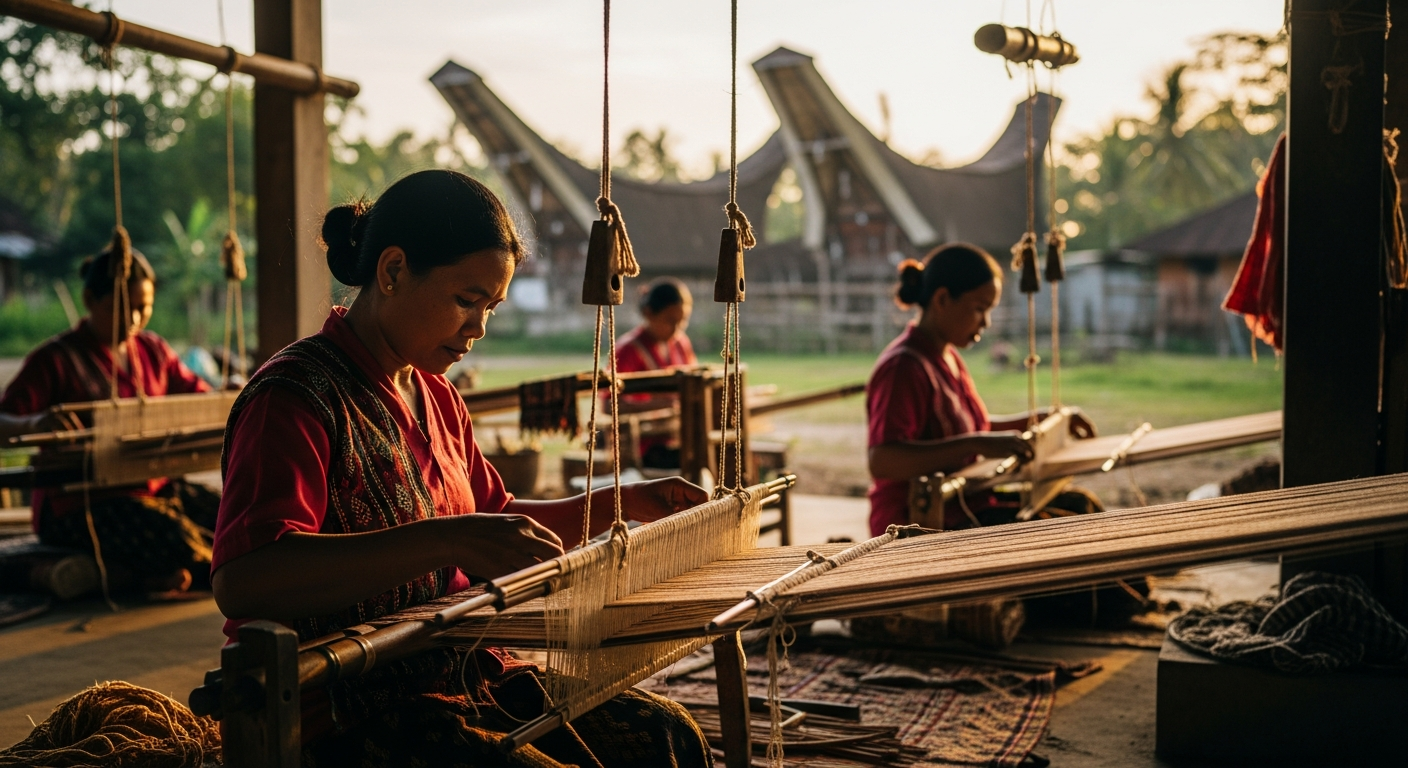
Welcome to Sumba Heritage Textiles, where tradition meets artistry in the vibrant world of Sumba textile. Situated in Waingapu, East Sumba, we offer an exclusive range of authentic handwoven fabrics that embody the rich cultural legacy of the island. Sumba textiles are renowned for their intricate patterns and vivid colours, reflecting the island's deep cultural roots. Each piece is crafted by skilled artisans using techniques passed down through generations, ensuring unique creations steeped in history.
Sumba textiles are not merely decorative but are significant cultural artefacts. The island's geographical location in the Lesser Sunda Islands has contributed to a unique blend of influences, visible in the textiles' complex motifs and vibrant hues. These textiles often incorporate ikat techniques, where yarns are dyed before weaving, creating distinct patterns. The motifs often depict elements of nature, ancestral spirits, and daily life, offering insight into the island's cultural narratives.
Our collection offers a glimpse into this world, showcasing the diverse motifs and styles that make Sumba textiles sought after by collectors and fashion enthusiasts alike. The textiles are made from locally sourced materials such as cotton and natural dyes derived from plants like indigo and morinda. We are committed to preserving and promoting this traditional craft while adapting to contemporary tastes and trends, ensuring that each piece serves both aesthetic and functional purposes.
Why Choose Us
Authenticity Guaranteed: Each piece is handwoven by local artisans, ensuring genuine Sumba craftsmanship. Our artisans, primarily based in the villages around Waingapu, have honed their skills over decades, with some techniques dating back centuries.
Ethically Sourced: We work directly with weavers, supporting fair trade practices and community development. By ensuring fair compensation and sustainable practices, we contribute to the economic growth of these communities.
Diverse Collections: From traditional motifs to modern interpretations, we offer a wide range of designs. Our collections include textiles for various uses, from sarongs and blankets to wall hangings and clothing materials.
Quality Materials: Our textiles are made from premium natural fibres, providing durability and comfort. The use of natural dyes not only enhances the aesthetic appeal but also ensures environmental sustainability.
Custom Orders: Tailor your fabric choices to fit personal styles or project needs. We offer consultations to understand your vision and collaborate with artisans to bring your ideas to life.
Knowledgeable Support: Our team is dedicated to educating customers on the nuances of Sumba textile. We provide insights into the history, symbolism, and crafting techniques involved in each piece.
Our Services
At Sumba Heritage Textiles, we offer a variety of services to meet the needs of our discerning clientele. Our primary service is the sale of authentic Sumba textiles, available in a range of colours, patterns, and materials. Each piece is meticulously crafted, reflecting the artistry and skill of our weavers.
Our ready-made collections cater to various tastes and preferences, featuring traditional motifs that have been preserved over generations alongside contemporary designs that appeal to modern sensibilities. In addition to our ready-made collections, we offer bespoke services to cater to specific design requirements. By working closely with our artisans, we can create custom patterns and colours, allowing customers to incorporate unique Sumba elements into their designs.
This service is ideal for fashion designers, interior decorators, and anyone with a passion for distinctive textiles. Our bespoke service includes a detailed consultation process, where clients can discuss their vision and requirements. We then translate these ideas into tangible designs, ensuring that the final product aligns with the client's expectations.
Destinations and Highlights
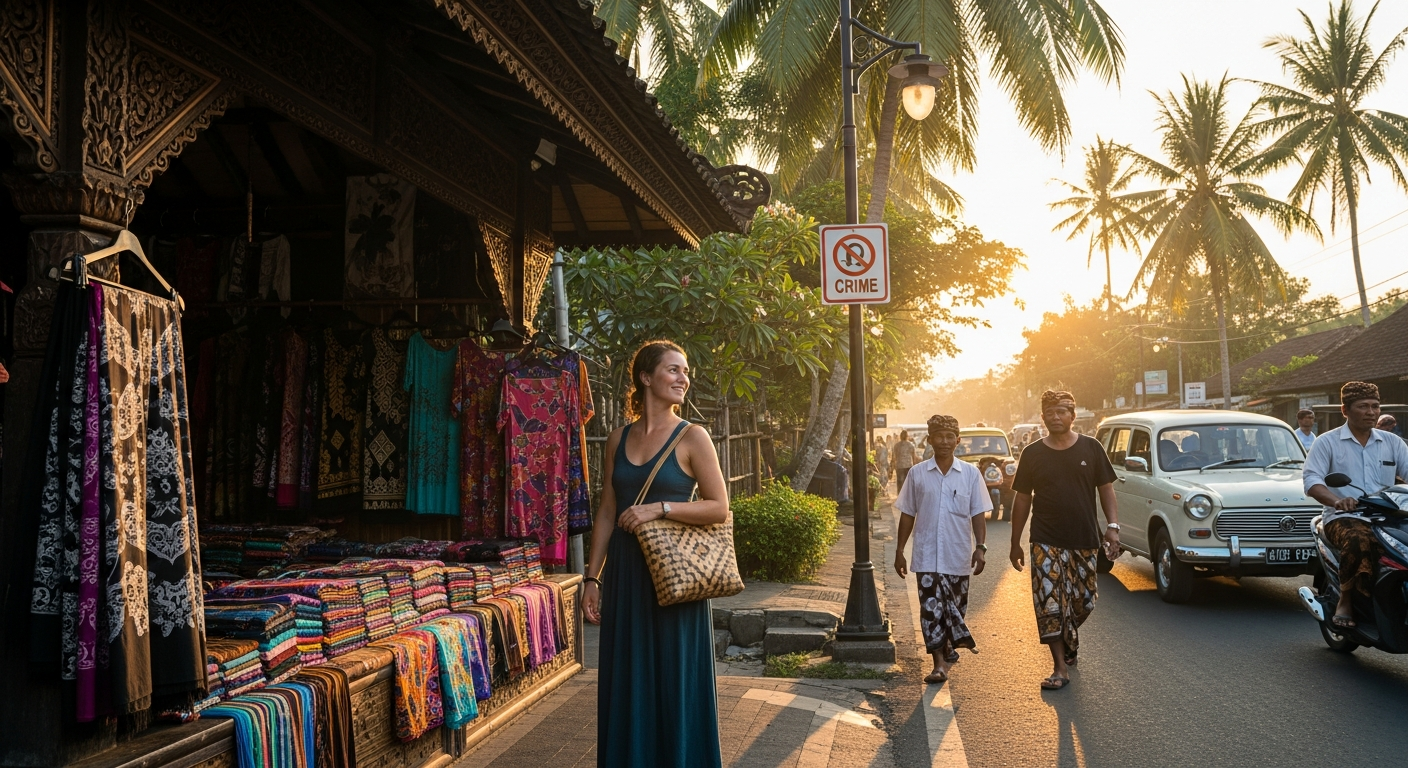
Waingapu Market: The central hub for Sumba textiles, where our artisans showcase their latest creations. The market is a vibrant space where buyers can interact directly with the weavers, gaining firsthand insight into the production process.
Local Workshops: Experience the weaving process firsthand and meet the artisans behind each piece. Workshops offer an intimate look into the traditional methods used, including spinning, dyeing, and weaving.
Cultural Tours: Discover the history and significance of Sumba textile in its native setting. Tours often include visits to traditional villages, where visitors can observe the cultural practices that influence textile production.
Exhibitions: Attend showcases highlighting contemporary and traditional Sumba textile art. These exhibitions are held in various locations, both locally and internationally, providing a platform for Sumba textiles on a global stage.
Our destinations provide an immersive experience that connects customers with the origin of their textiles. By visiting these sites, you gain a deeper appreciation for the craft and the cultural heritage it represents. Engaging with the artisans and observing their work processes offers an enriched understanding of the skill and dedication involved in each piece.
What to Expect
When you choose Sumba Heritage Textiles, you can expect a blend of tradition and modernity. We pride ourselves on offering authentic products that honour the age-old traditions of Sumba weaving while catering to contemporary tastes. Our collections are carefully curated to reflect both classic and innovative designs, ensuring there is something for everyone.
Our commitment to quality and authenticity starts from the sourcing of raw materials to the final inspection of each finished piece. We maintain rigorous standards to ensure that every textile meets our high expectations and those of our customers. The meticulous attention to detail begins with selecting the finest natural fibres, followed by the dyeing process using traditional methods that have been passed down through generations.
With Sumba Heritage Textiles, you are not just purchasing a product; you are investing in a piece of history. Each textile is a connection to the past, representing the cultural narratives and craftsmanship that have defined Sumba for centuries.
FAQ
What makes Sumba textile unique?
Sumba textiles are known for their intricate motifs and vibrant colours, each telling a story from the island's rich cultural heritage. The handwoven techniques and natural dyes used are traditional to Sumba, making each piece unique. The motifs often include symbolic representations of nature, spirituality, and community, reflecting the island's cultural values.
How do you ensure the authenticity of your textiles?
We work directly with local artisans in Sumba, ensuring that every textile is handwoven and sourced ethically. Our close relationships with these communities guarantee the authenticity of our products. By supporting local artisans, we not only preserve traditional weaving techniques but also contribute to the economic sustainability of the region.
Can I request a custom design?
Yes, we offer bespoke services where you can collaborate with our artisans to create custom designs and colours to suit your personal or project needs. This service includes detailed consultations to ensure that your vision is accurately translated into the final product.
Where are your textiles available?
Our textiles are available for purchase at our main hub in Waingapu and selected exhibitions and markets. We also offer international shipping for online orders. This allows customers worldwide to access our unique pieces, expanding the reach of Sumba textiles beyond the island.
How do I care for my Sumba textile?
To maintain the quality of your Sumba textile, we recommend hand washing with mild detergent and drying in the shade. Avoid direct sunlight to preserve the vibrant colours. Proper care ensures the longevity and vibrancy of the textiles, allowing them to be cherished for generations.

![Sumbatextile Day Trip from [Hub City]: Best 2027 Routes, Departure Times, and Return Options](https://sumbatextile.com/wp-content/uploads/2026/07/bh_sumbatextile.com_-3.png)