
Protect yourself first. Then buy.
Buying handwoven textiles online carries the same risks as any cross-border purchase, and the checks that reduce them are simple enough to run in a few minutes. Here they are — written so they work against any seller, this one included.
- Checks before paying
- 5
- Records worth keeping
- 4
- Certificates issued
- 0
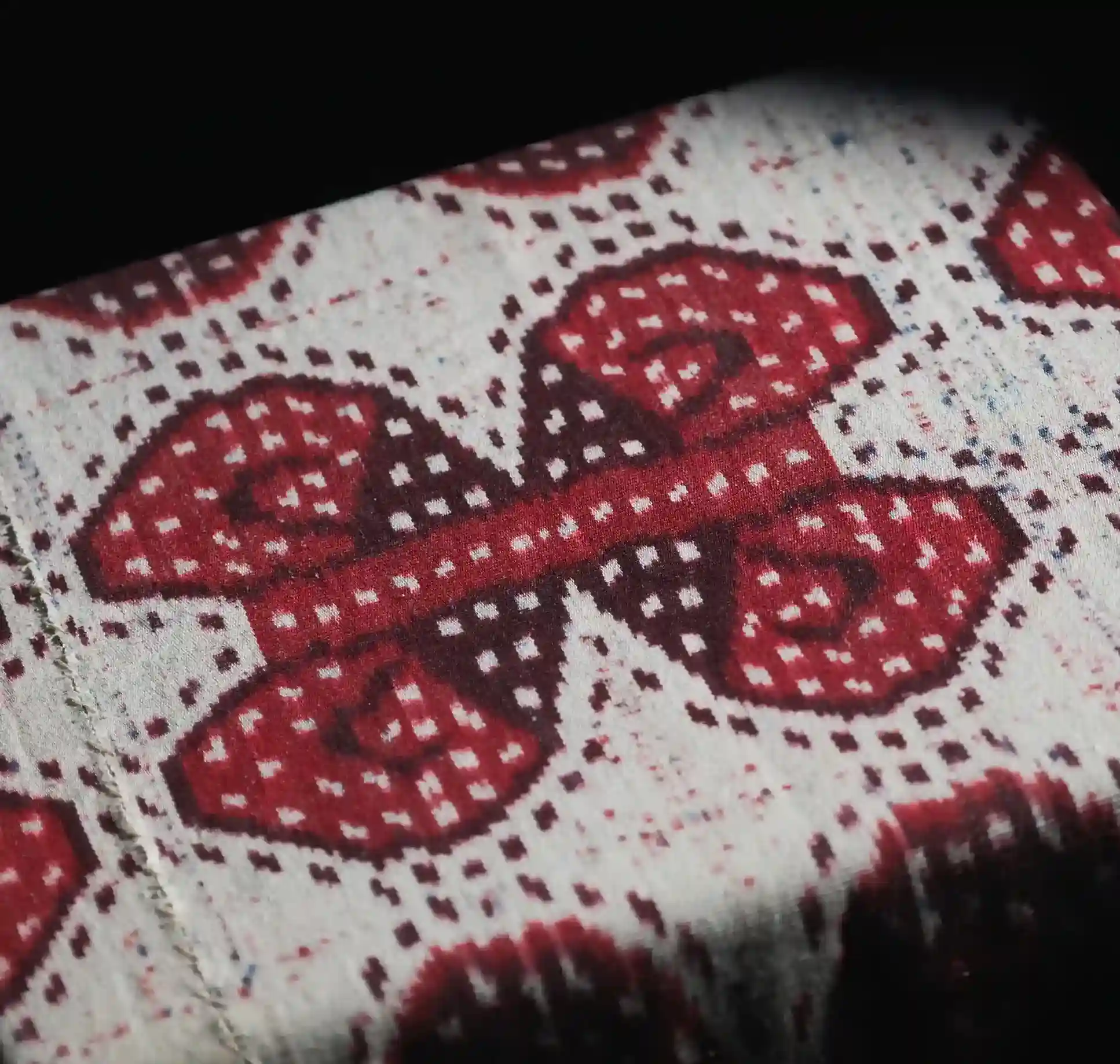
Why we do not issue a certificate of authenticity
No recognised body certifies handwoven Sumba cloth. A certificate would therefore carry only our own authority, which is exactly as much authority as our written description already carries — and rather less transparency, because a description can be checked and a certificate cannot.
- What you get instead is a written description: technique, dye family, fibre, measured dimensions and the weaving district. The same wording appears on the quotation, the invoice and the packing list.
- Each of those five facts is independently verifiable by you or by a specialist. That is the point of stating them.
- A seller who offers a certificate for this cloth is offering a marketing object, not evidence. Treat it as a signal rather than a reassurance.
Five checks before you pay anyone
Five checks
None of these are specific to Sumba textiles. They are the standard protections for a cross-border purchase from a seller you have not met, and they are worth running every time.
Secure connection
Protects the data you send at the point you send it
The address begins https:// and the browser shows a padlock on the page where you enter details
Independent reviews
A seller’s own testimonials are not evidence
Accounts of past orders on platforms the seller does not control
Payment with recourse
Determines whether you have a route if something goes wrong
A card or payment service offering buyer protection and a dispute process, rather than an irreversible transfer
Account in the business name
Payment to an unrelated personal account is the biggest red flag in this trade
The account name matches the entity named on the invoice — refuse mismatches
Written records
Almost every dispute is resolved on the paperwork
Order confirmation, invoice, the written description of the piece, and dated photographs before dispatch
What to keep, and for how long
Keep these from the first message rather than assembling them after a problem. A complete file settles most disputes without either side having to argue from memory.
-
01
The written description
Technique, dye family, fibre and measured dimensions of the specific piece — not the catalogue category.
-
02
Photographs of the piece
Front and back, and photographs of the packed goods before dispatch.
-
03
The invoice and packing list
Compared line by line against each other before anything ships.
-
04
The delivery terms
Who is responsible at which point, and what happens if a piece arrives damaged.
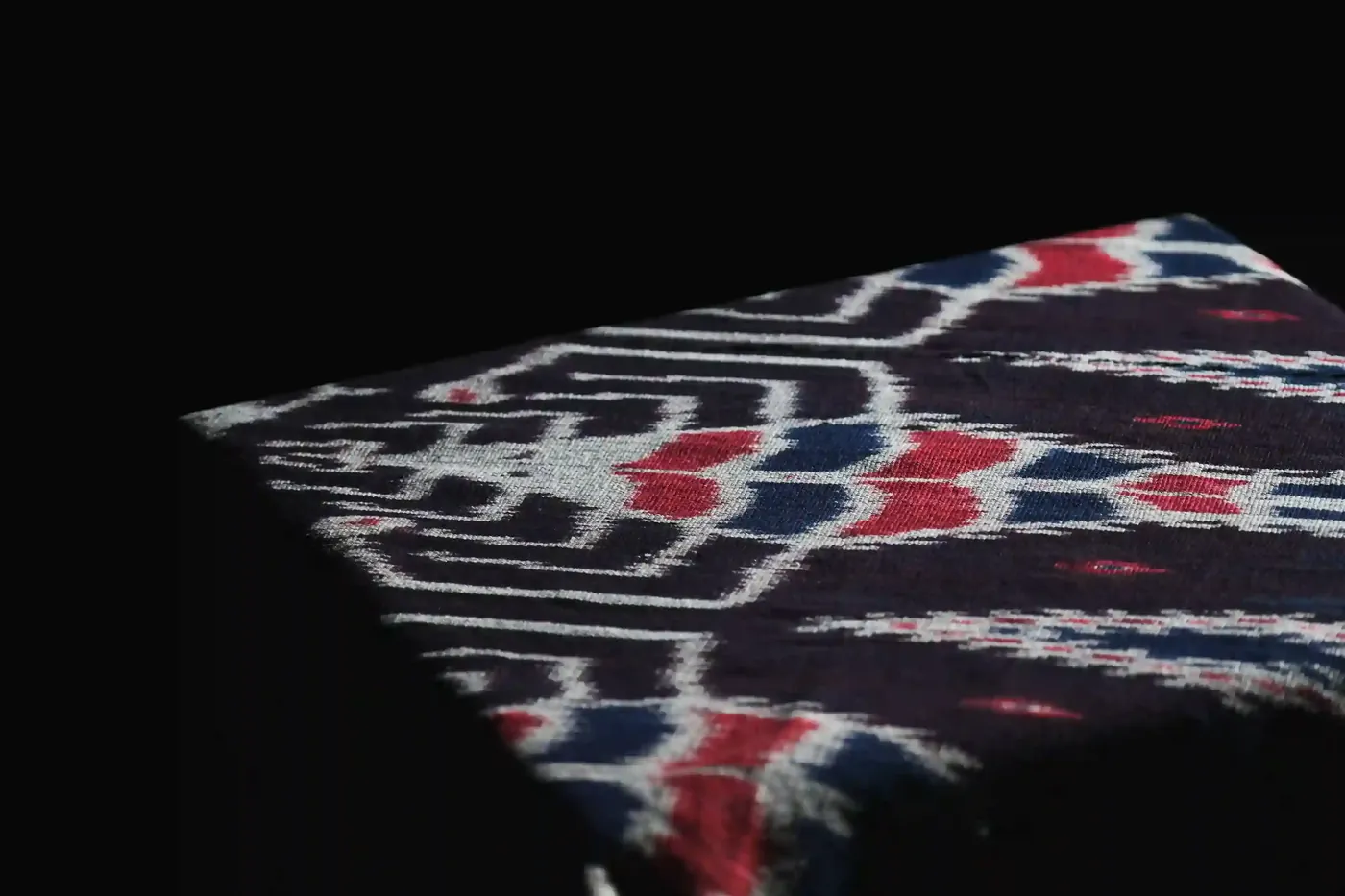
How payment actually works on a direct order
Because each piece is individual, an order is a reservation rather than a checkout. We confirm the piece, the exact measurements, the dye family and the delivery cost to your address in writing, and only then is anything charged. Terms, currency and the split between deposit and balance are agreed before production or reservation begins, not worked out afterwards.
Payment is made to an account in the business name. If you are ever asked by any supplier to pay a personal account or a name unrelated to the invoice, stop — that single mismatch is the most common way buyers in this trade lose money.
Keep the first one small
The cheapest due diligence available is a small order. It tests the product and the process at the same time, for a fraction of what being wrong at volume costs.
-
01
Start small
Small enough that the cost of being wrong is trivial.
-
02
Get it in writing
Dye family, dimensions, delivery window and what happens if a piece fails inspection.
-
03
Ask for dated photographs
Of the actual piece, and again of the packed goods before dispatch.
-
04
Watch the process
How the seller communicates, packs and meets timing tells you more than any badge on a website.
-
05
Scale up after it lands
Only once the first shipment has cleared customs and matched its description.
Frequently asked questions
Four questions
Before you pay
Ask for whatever evidence you need. Then start small.
Business identity, dated photographs of the actual piece, the written description, the payment arrangement — ask for any of it before committing. A seller who will not produce it has answered your question.