
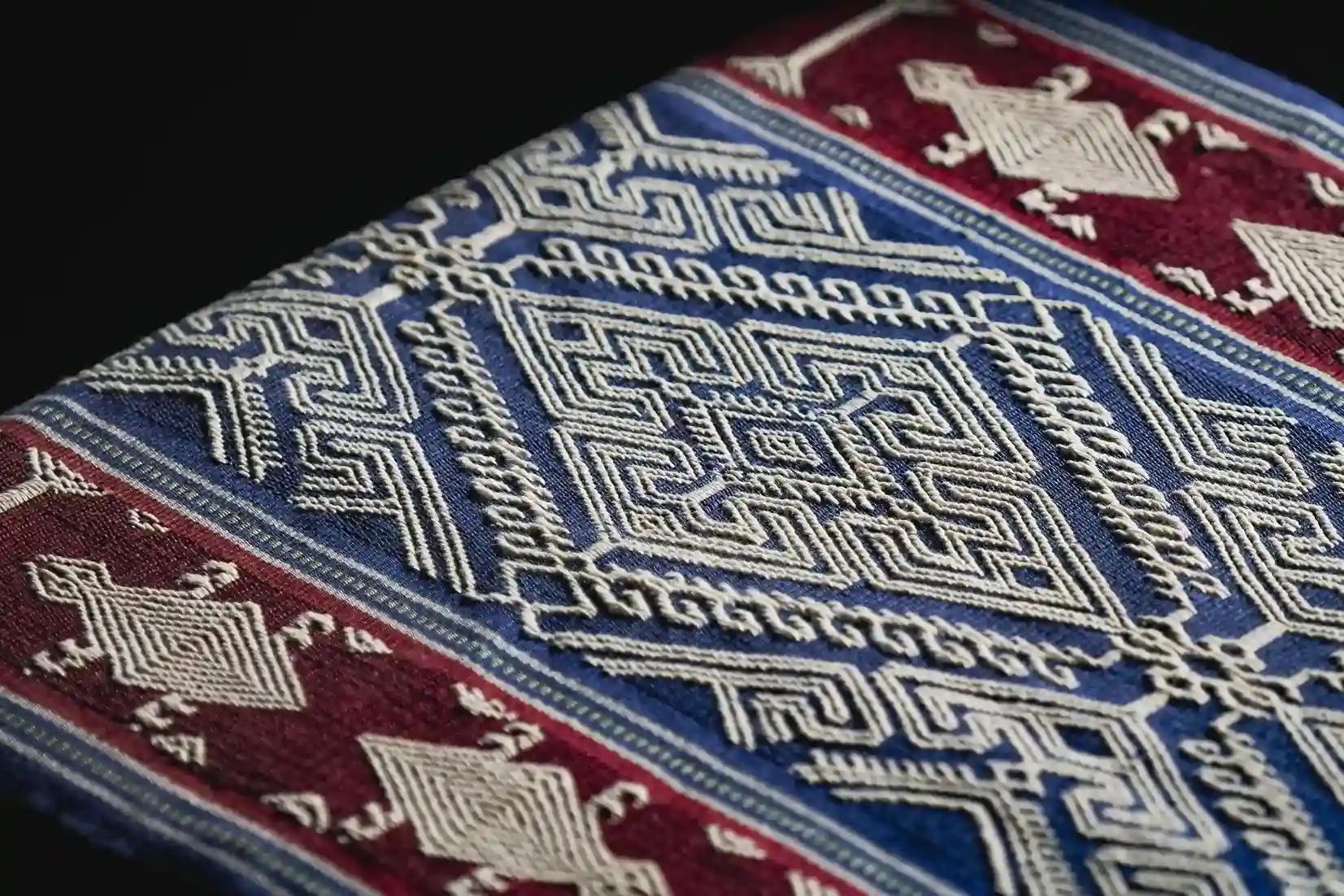
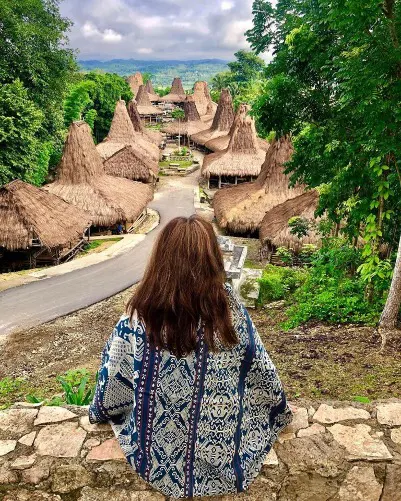
Hinggi
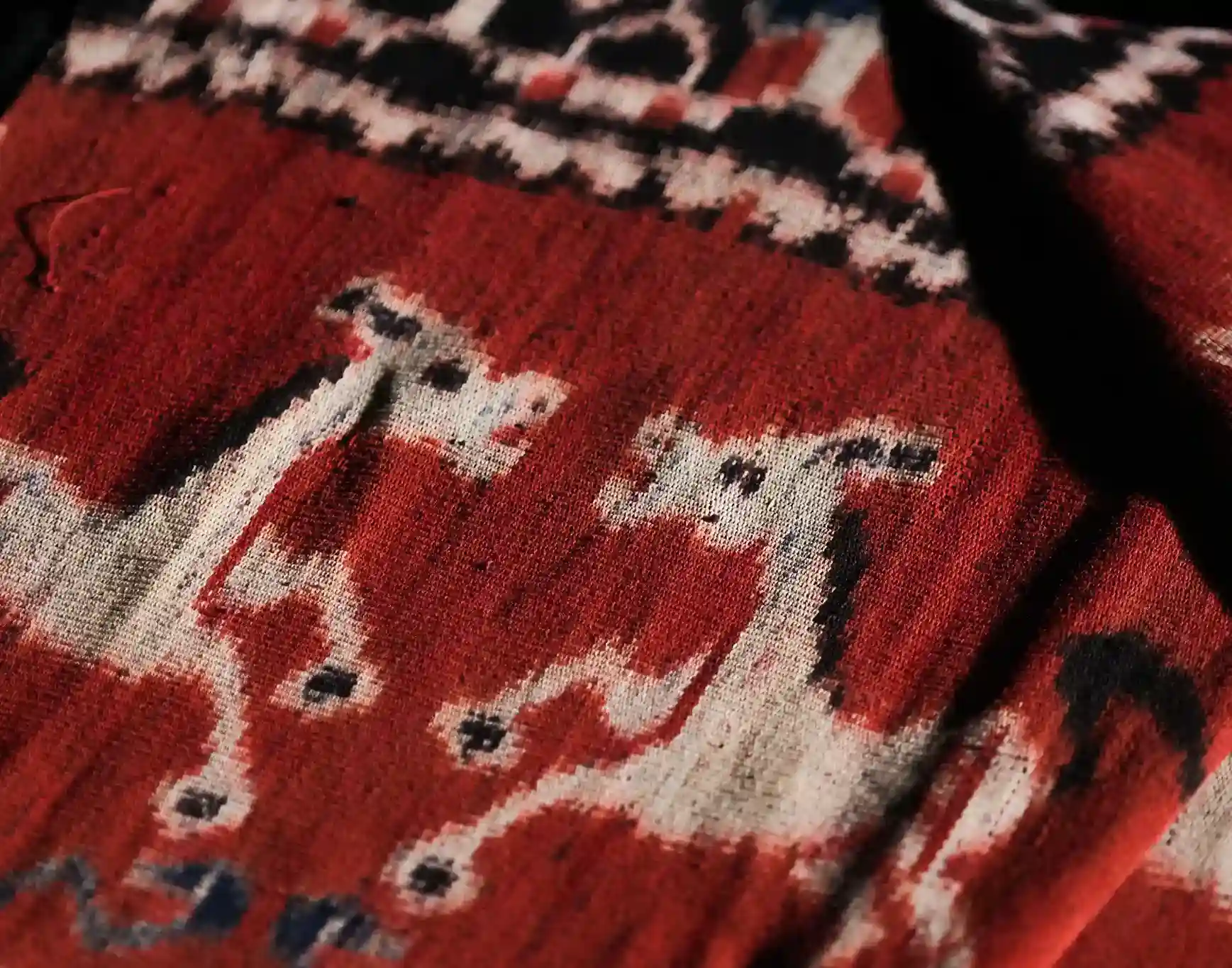
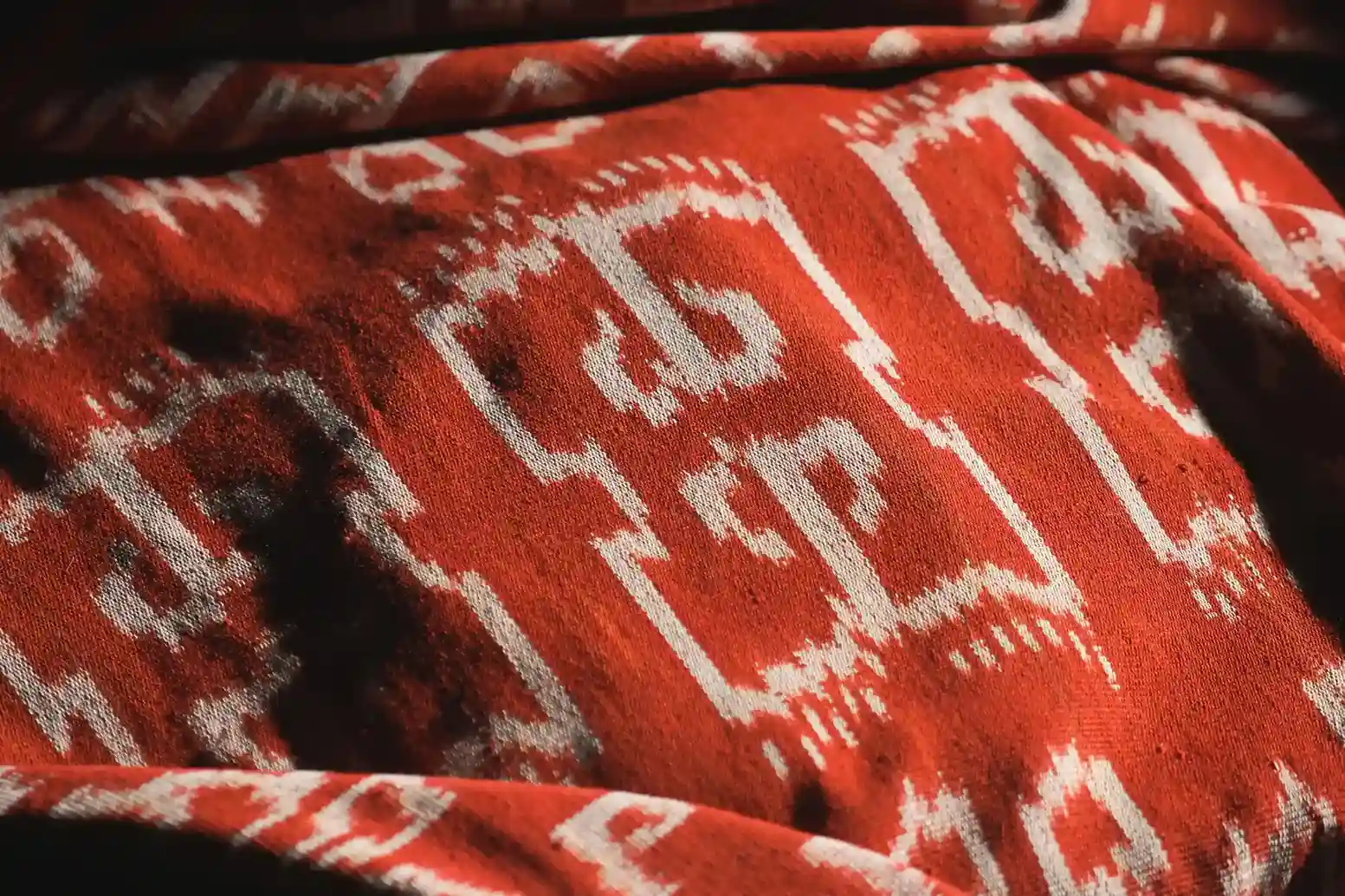
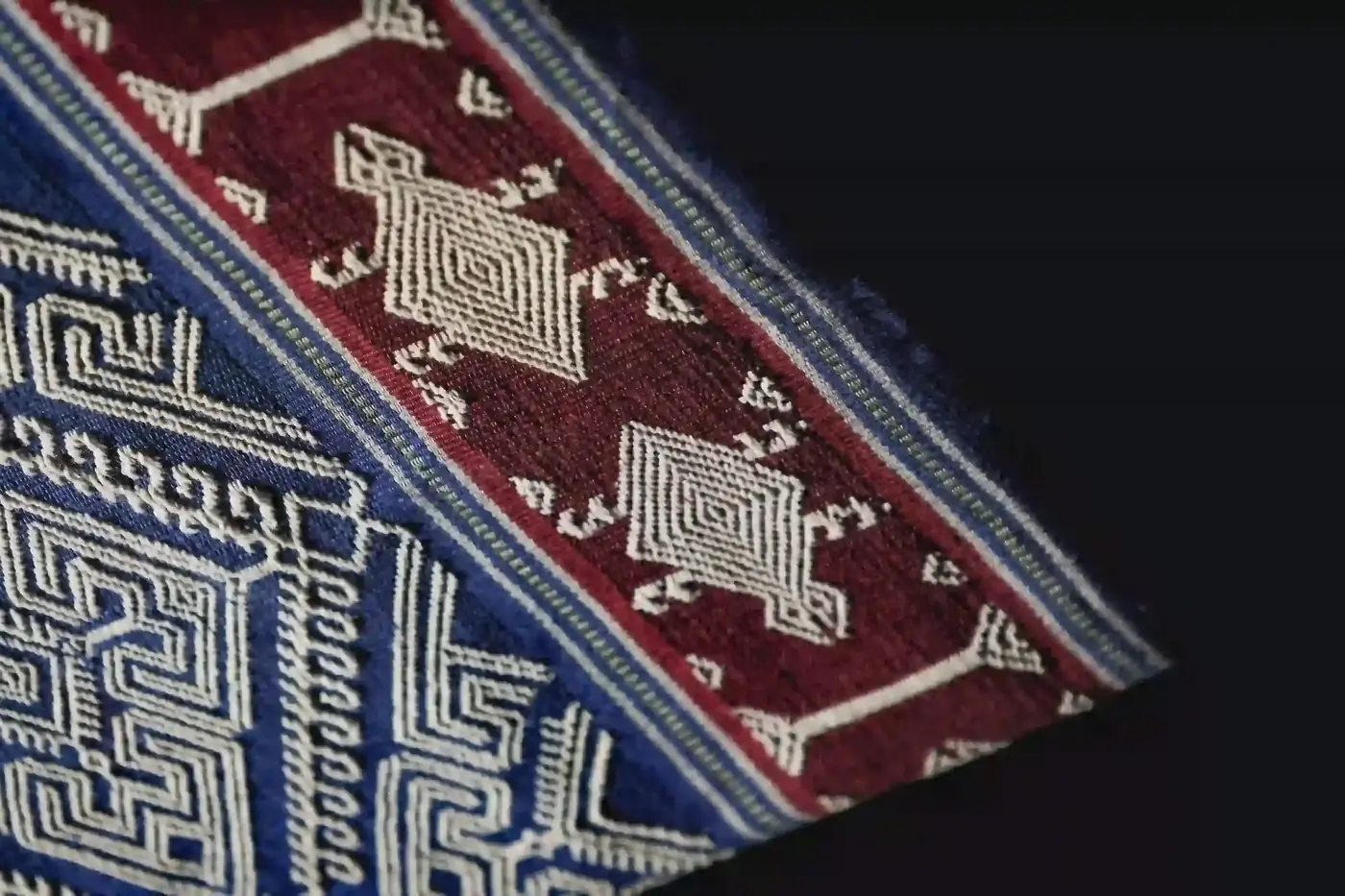
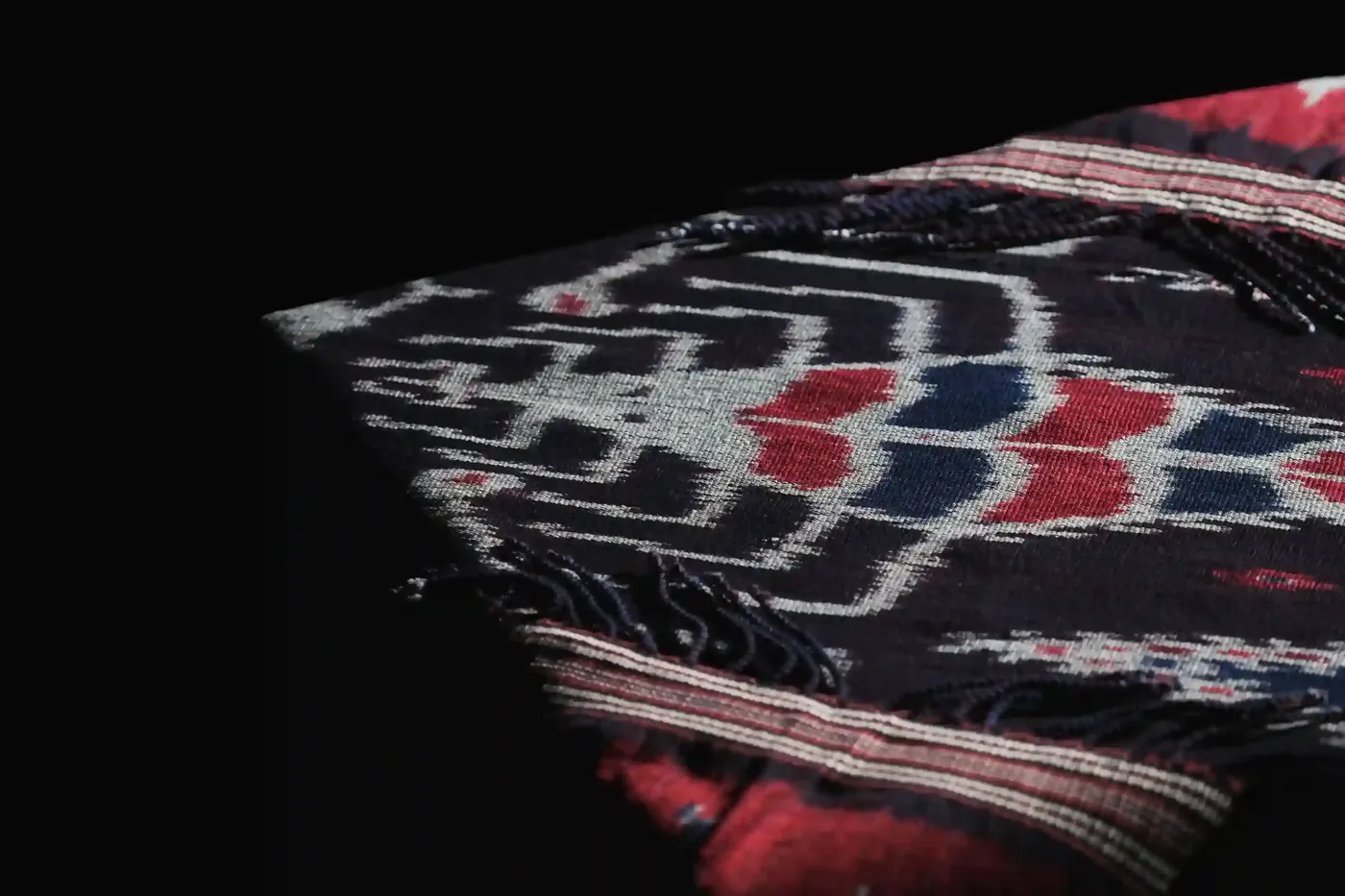
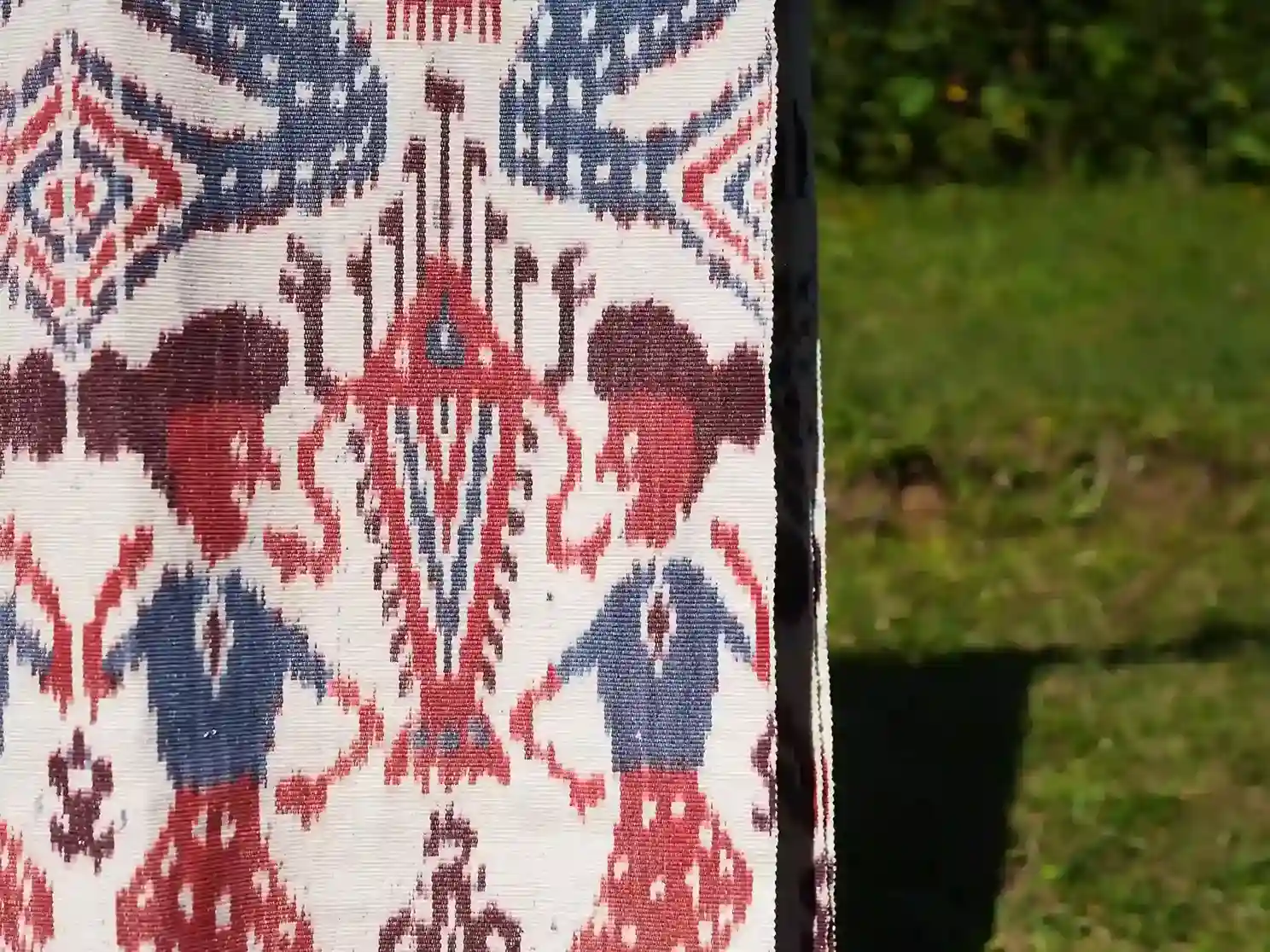
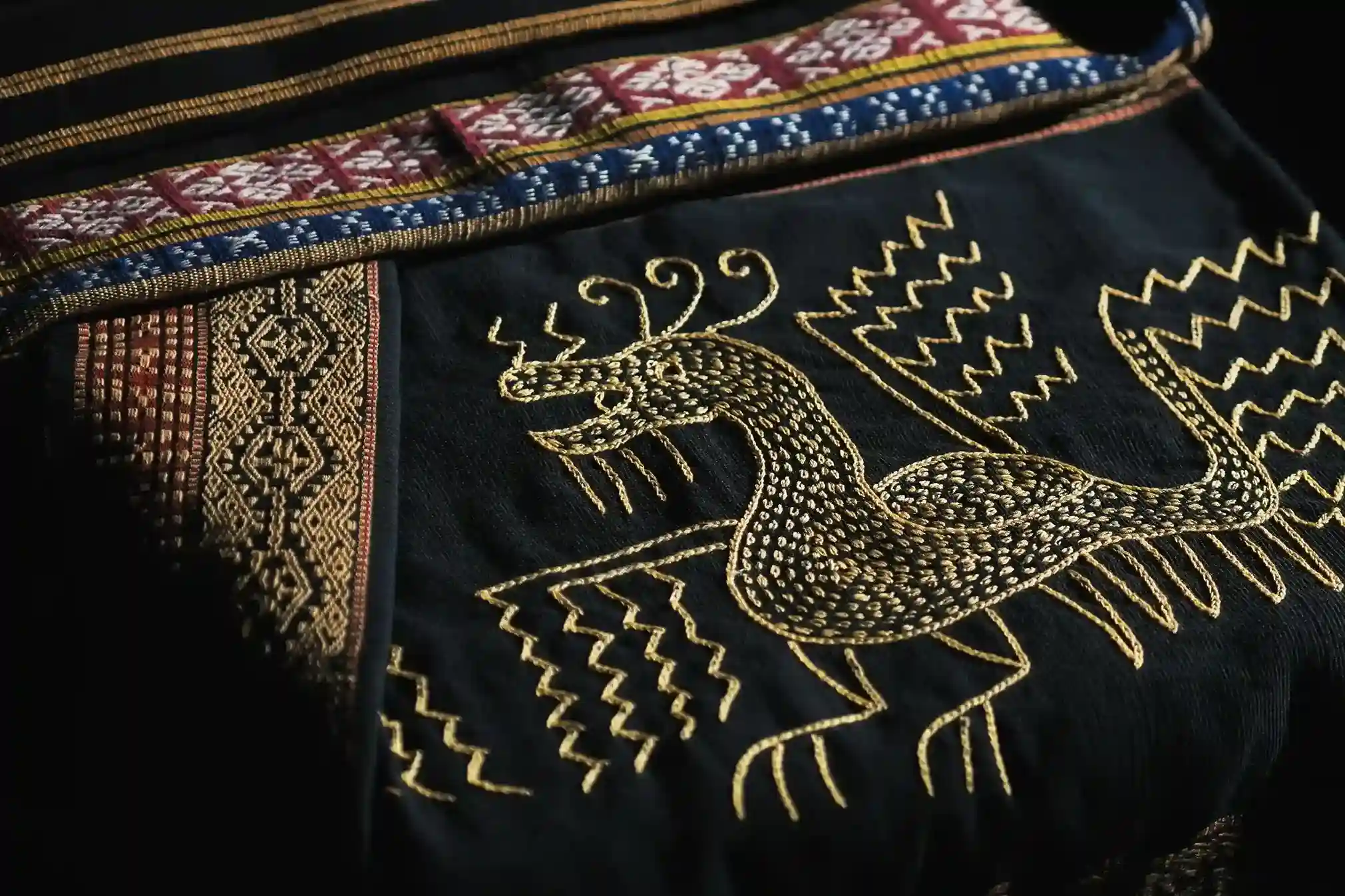
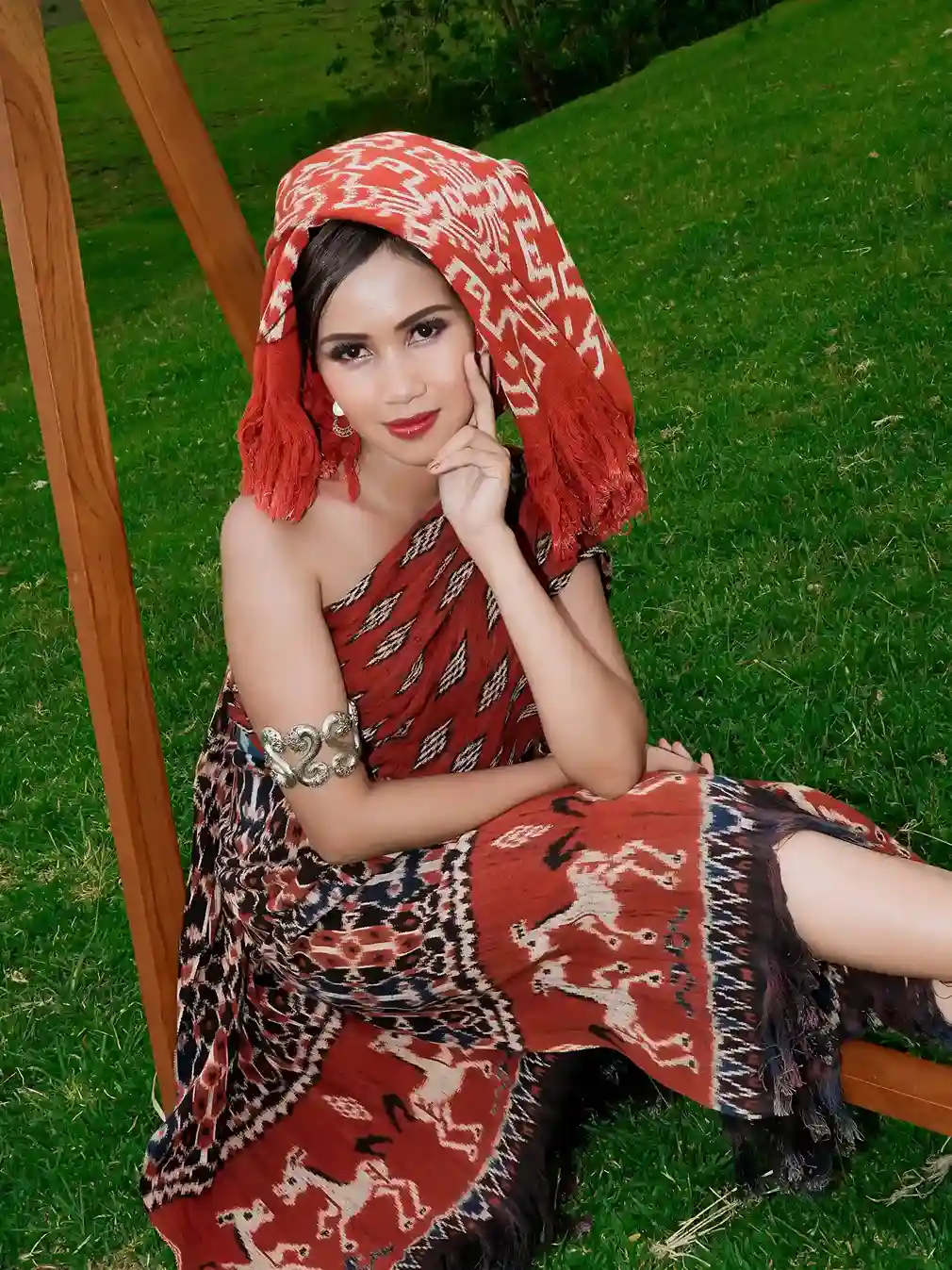
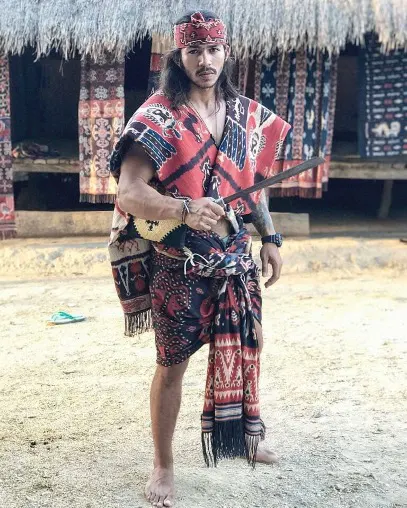
The large shawl worn by men, often carrying motifs that tell of war, peace and fertility.
Over 200 handwoven designs, each one an ikat: the pattern is tied and dyed into the thread before a single row is woven. Traditional motifs and modern adaptations, from bold and vivid to quiet and understated.
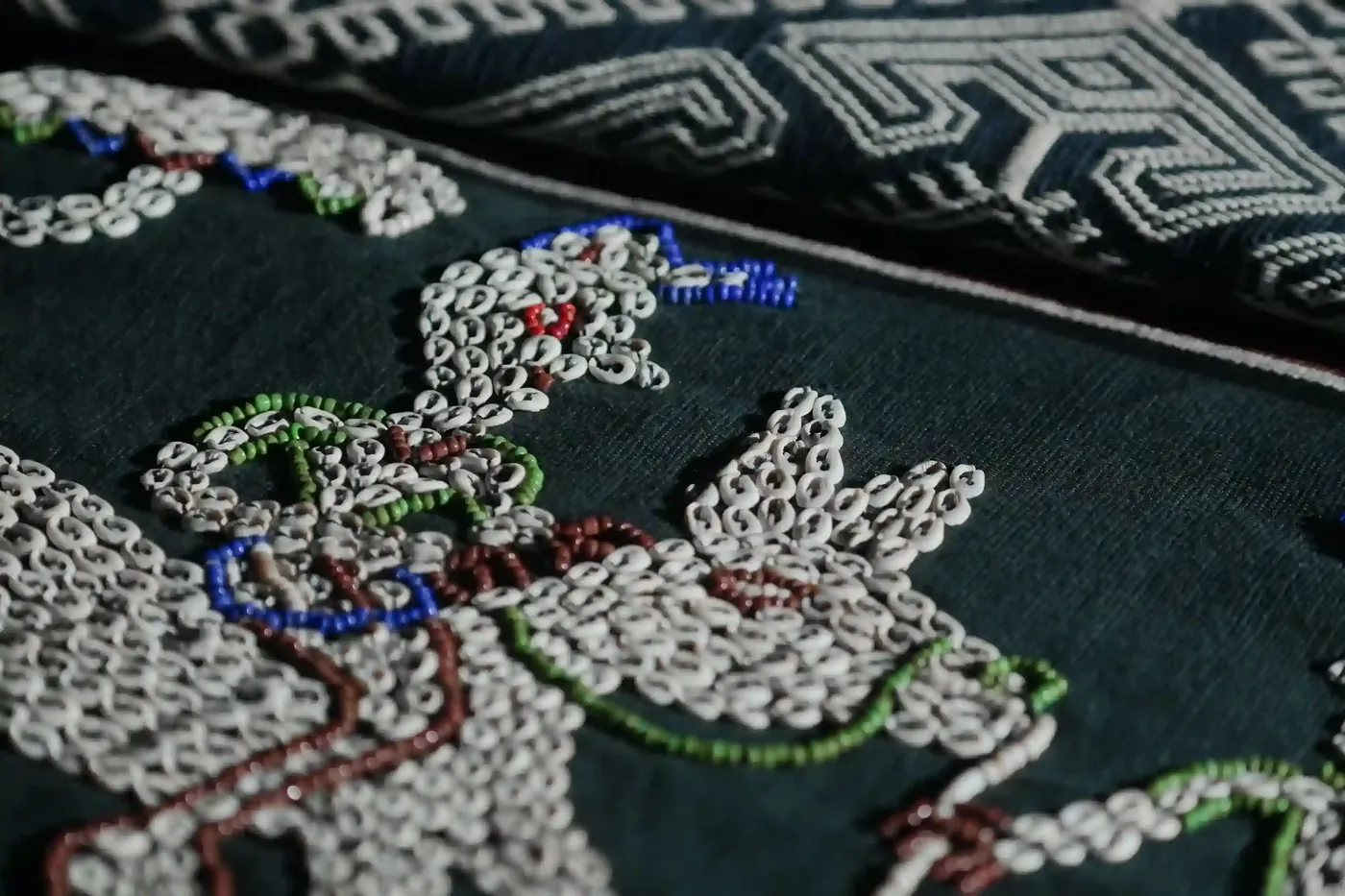
Each range has its own page with sizes, typical buyers and lead times. Start wherever your project starts.
The two traditional weaves, what the motifs mean, and where the colour comes from.
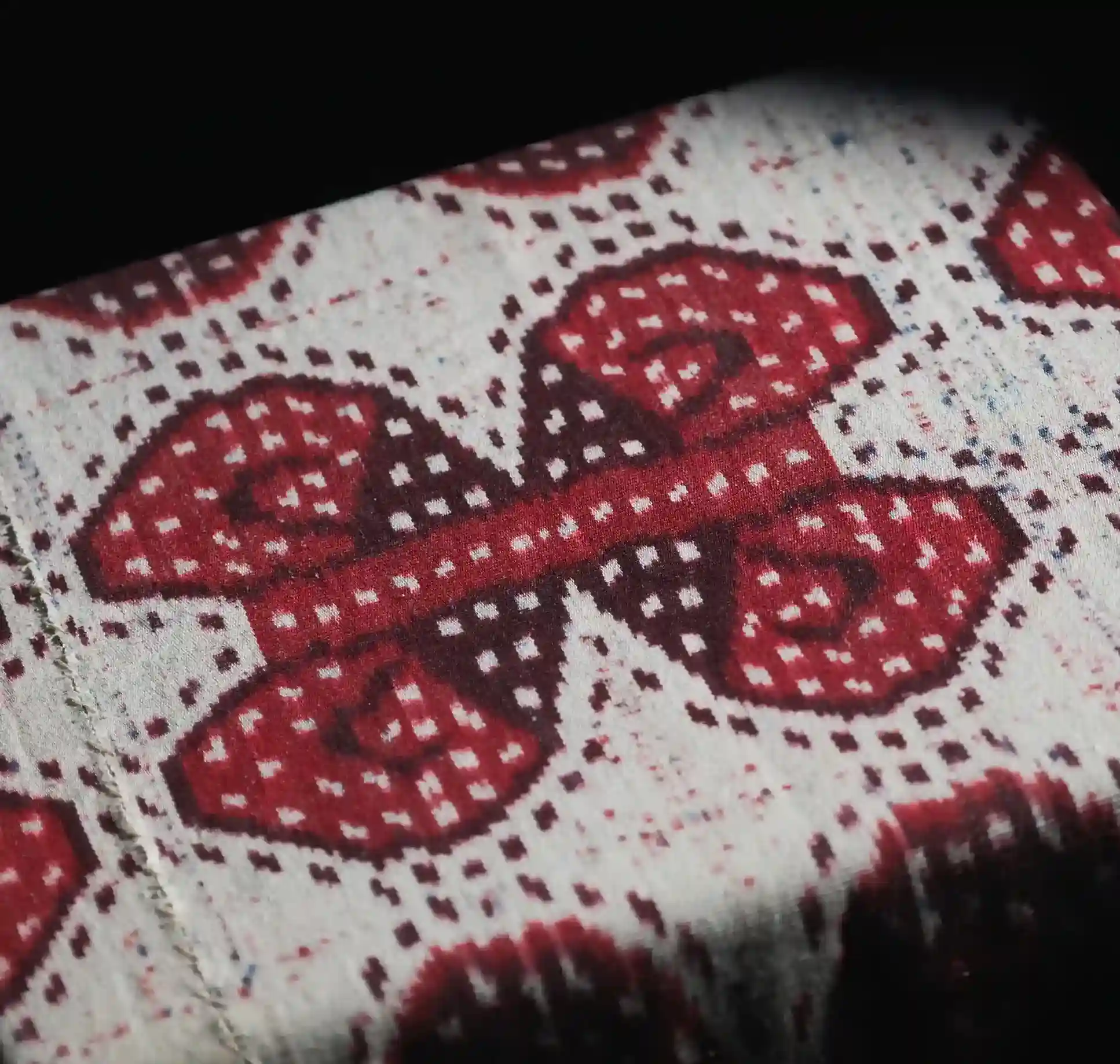
Samples measure roughly 30×30 cm — enough to judge the hand of the cloth, the depth of the dye and the precision of the weave before you order at size.
Request up to five designs. They ship directly from our warehouse in Waingapu. Designers and tailors specifying Sumba cloth into a collection should start here.
Every piece is handwoven on a backstrap loom in Waingapu, the capital of East Sumba Regency, using methods passed down through generations. Three checks before anything reaches the catalogue.
Which dyes were used, natural or synthetic, and how many immersions built the colour.
Precision of the weave, and any irregularity recorded as a characteristic rather than hidden.
Whether the traditional motif is rendered accurately, not approximated.
Where we cannot confirm a detail — the exact age of an older collector piece, for instance — we say so rather than assign a number.
Next step
We will reply with available pieces, lead time and an itemised quotation that separates product cost from packing and freight.