



A specified grade
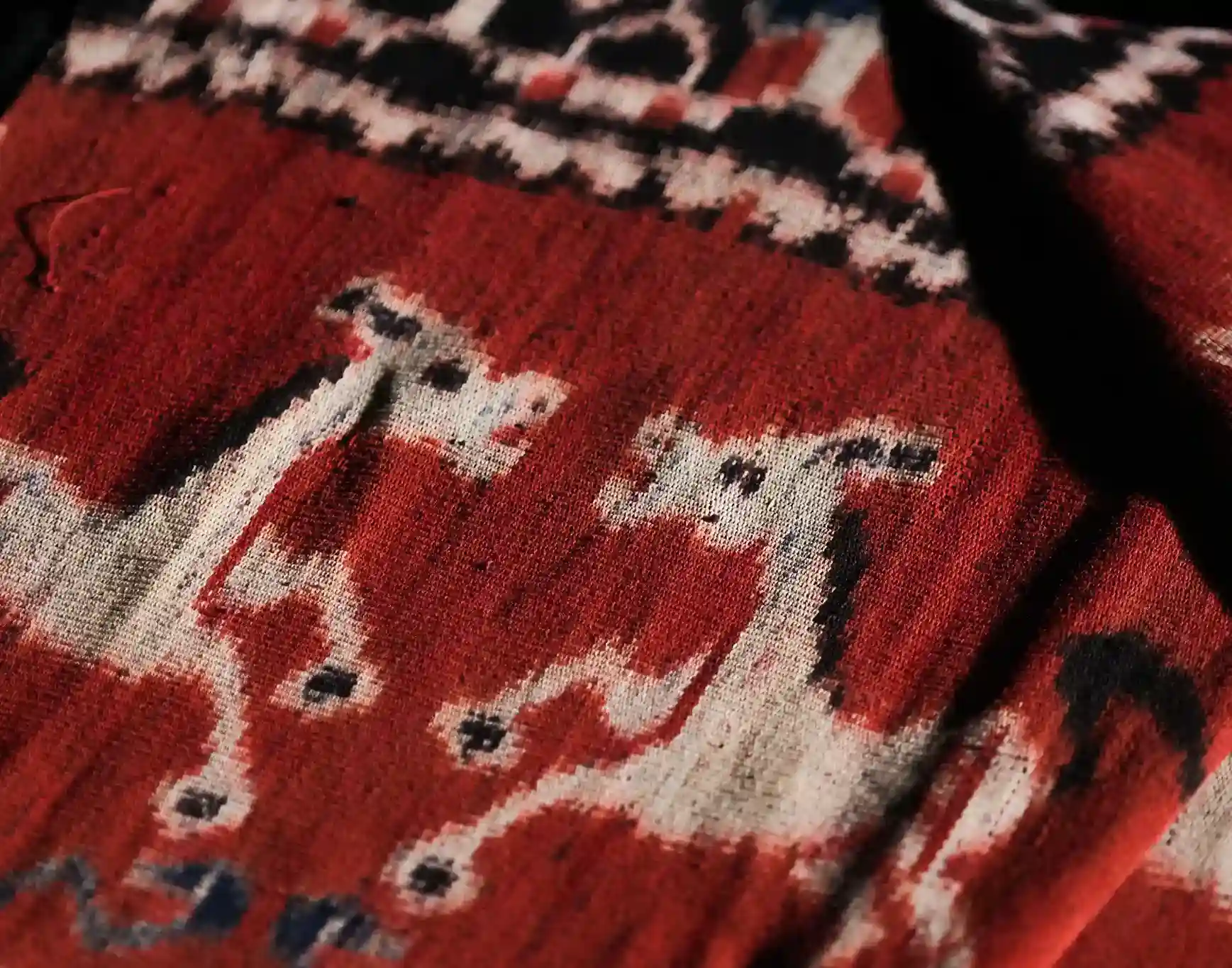
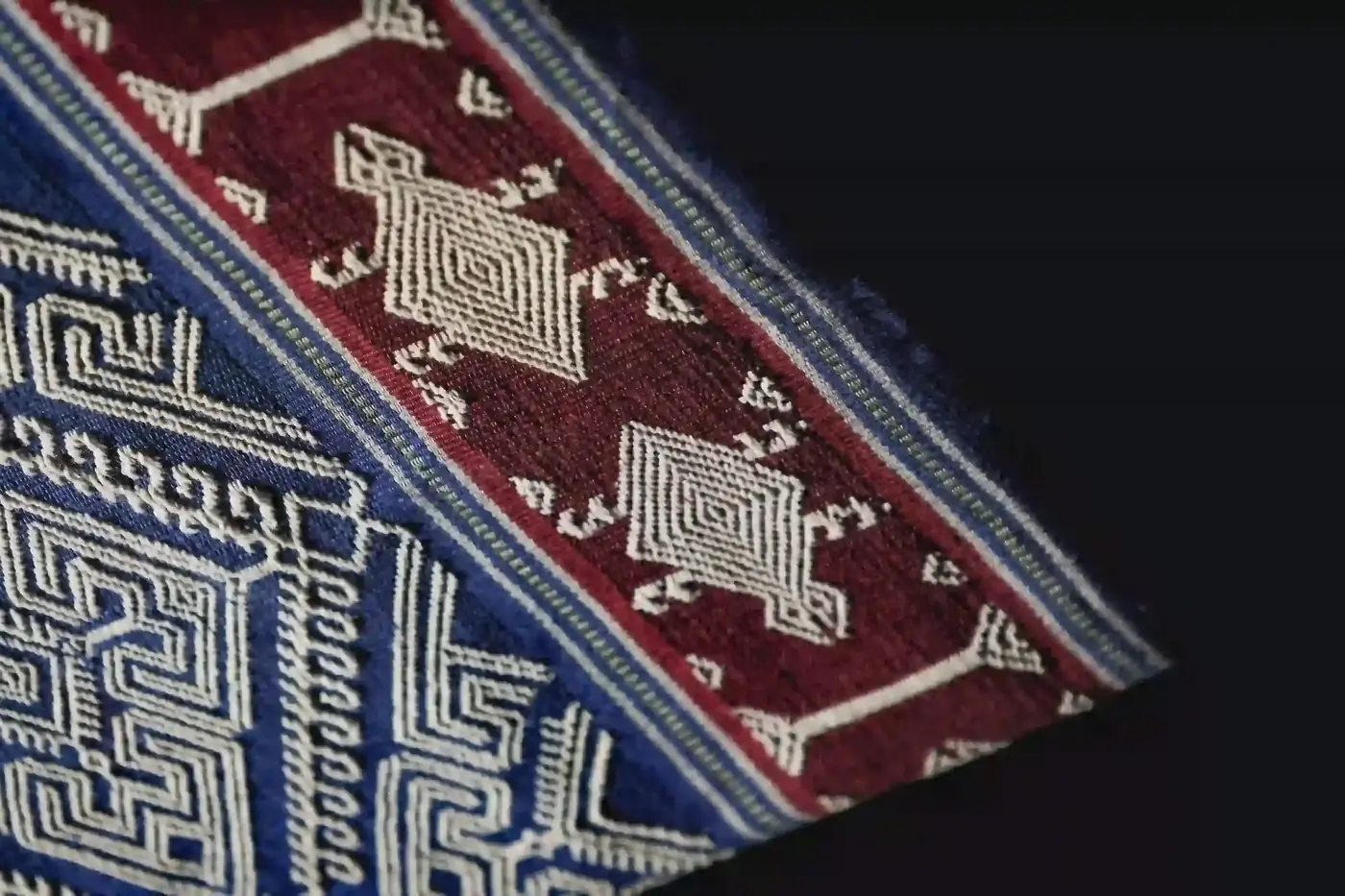
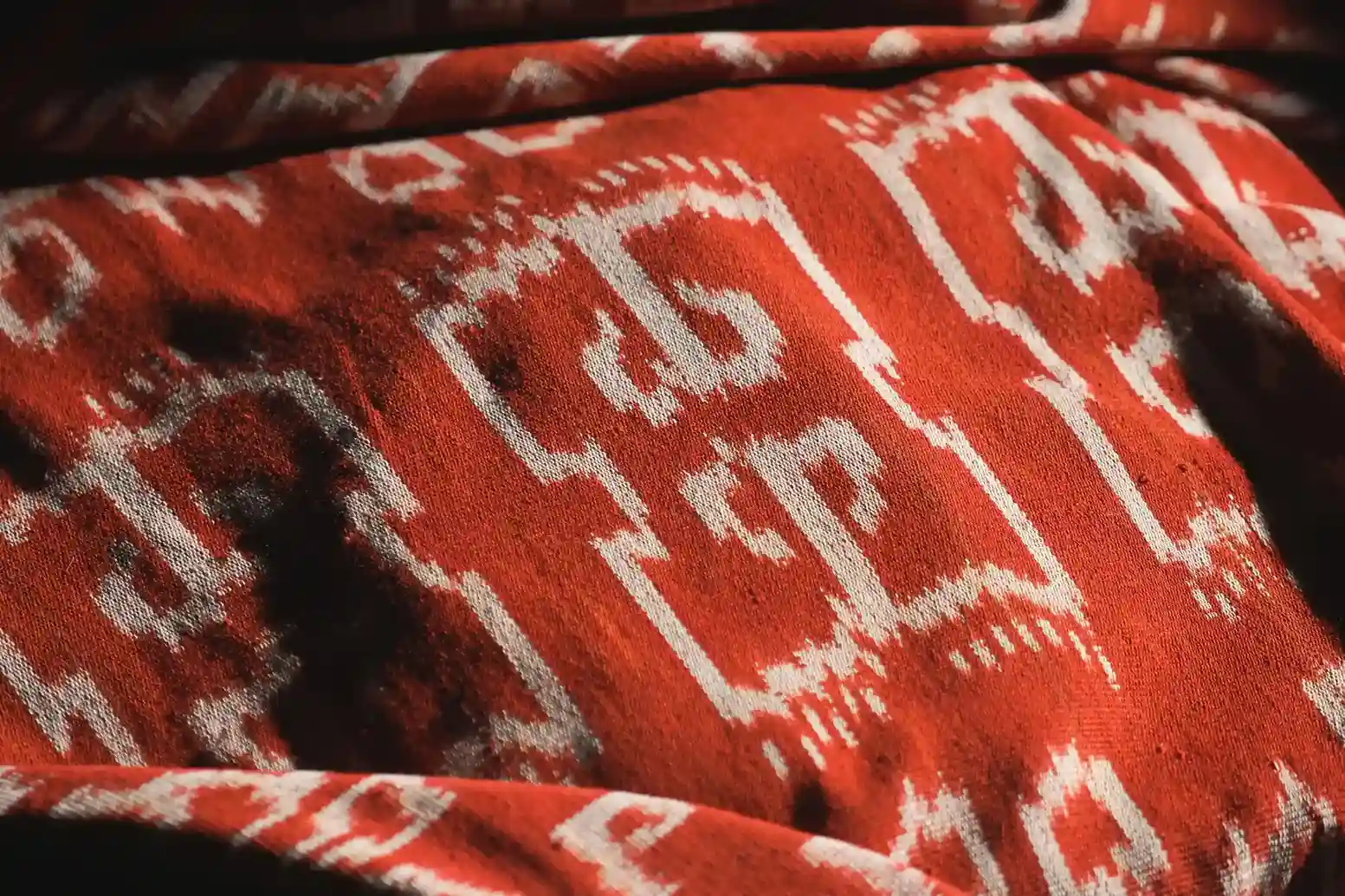
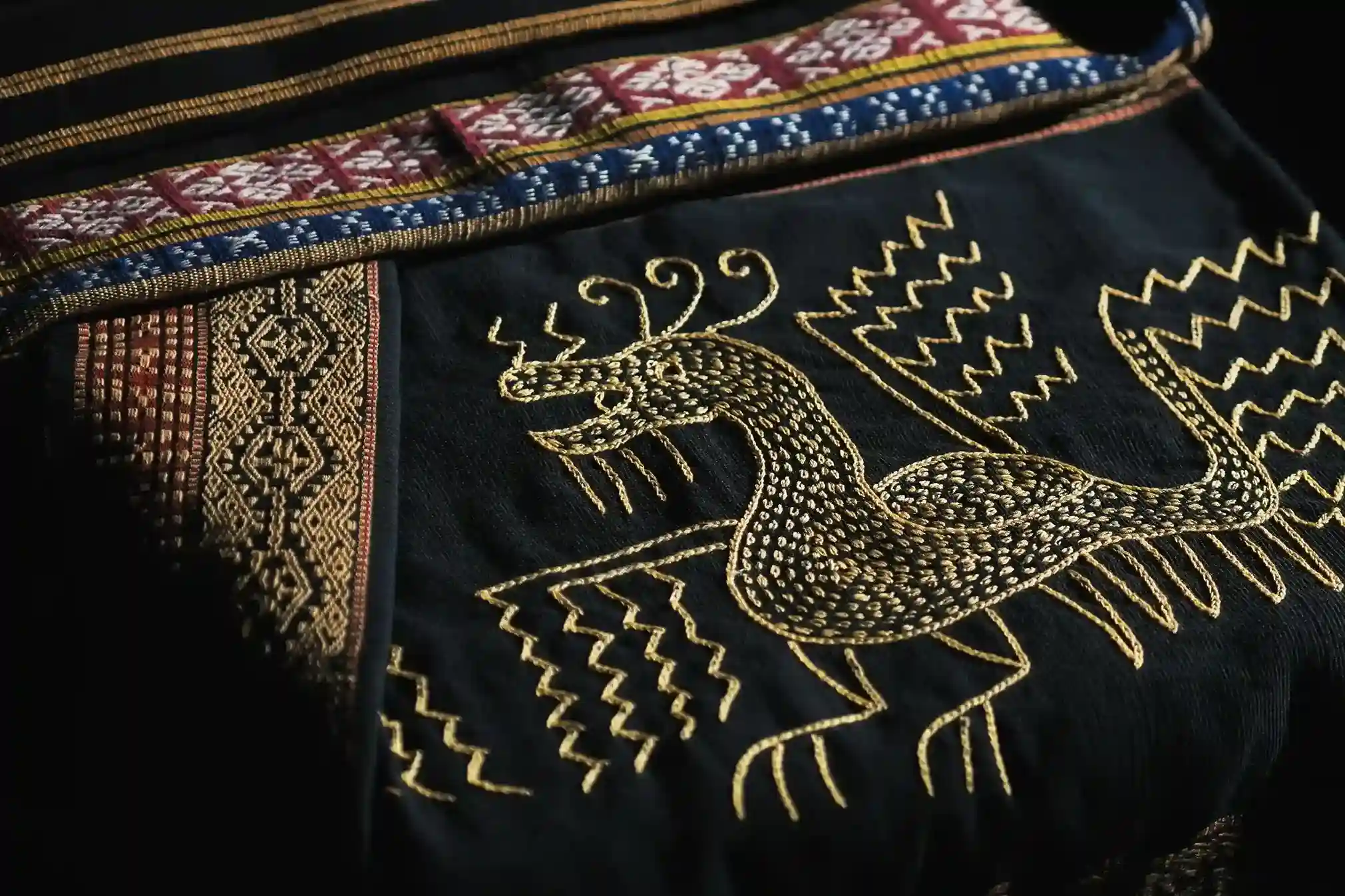
Yarn, dye, registration, density and finish stated per lot, so two offers can be compared on equal terms.
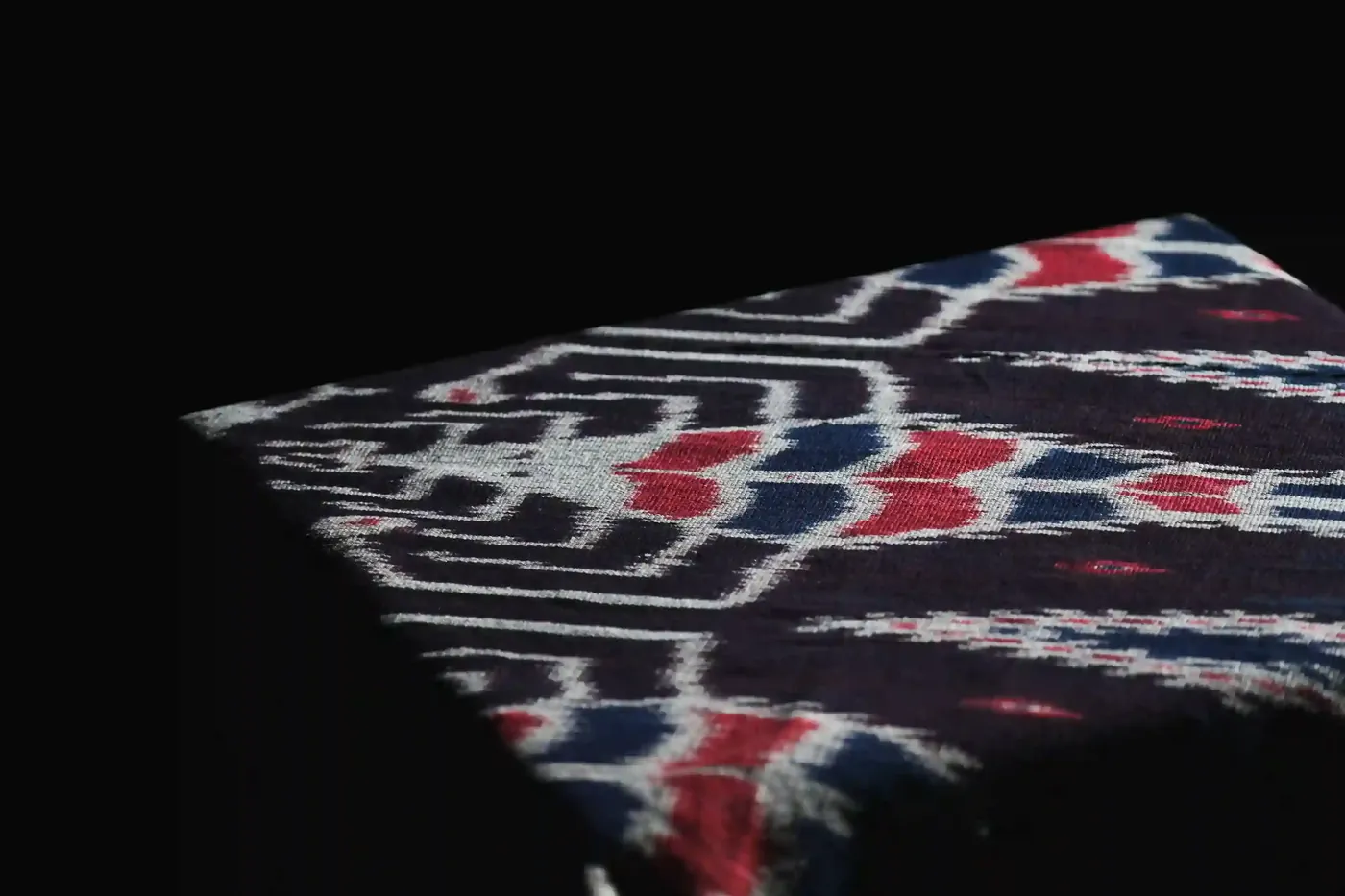
Handwoven Sumba cloth supplied in agreed lots directly from the production side: a stated minimum, tiered pricing, a defined quality grade, and export documentation prepared for your destination. Seven routes into the channel, depending on what you buy and how you buy it.
Trade buyers and retail buyers need different paperwork, and trade buyers need different paperwork from each other. Each route below has its own page with terms, minimums and lead times.
The practical difference is not only price.

We source directly from Waingapu on the eastern side of Sumba, where the weaving communities work with techniques passed down through generations. Direct relationships are what let us record which community produced a lot, repeat an order from the same hands, and agree a weaver’s price before the work starts rather than after the cloth exists.
Price moves with design complexity, size and the time the piece takes. A large textile with intricate ikat patterning represents weeks of sequential handwork, and the quotation says so. Every order gets an itemised written quotation rather than a published rate card, because a fixed list would either overcharge simple work or misrepresent complex work.
The standard minimum is 50 pieces. That figure exists so quality control and production scheduling are worth doing properly, not to gatekeep buyers — and it moves in both directions depending on what you order.
Runners, cushion cuts and assortment cartons carry low minimums, because the loom setup has already happened.
A custom width, a custom warp length or a specific motif in a specific colourway needs a loom dressed for that job.
We state it with every quotation rather than leaving you to discover it after you have planned an order.
Testing a market? Start with a mixed assortment from stock and move to custom runs once a bestseller emerges.
Three questions
Next step
We reply with current availability, grade descriptions and tiered pricing — and say plainly which part is stock and which needs weaving.