
Buy the piece, not the category.
Handwoven cloth from Sumba island in eastern Indonesia, sold direct rather than through a marketplace. Each piece is an individual weaving, so what is photographed is the piece reserved for you — and the listing states what it is before you commit.
- Facts stated per listing
- 5
- Classic natural dyes
- 2
- Of every piece
- 1
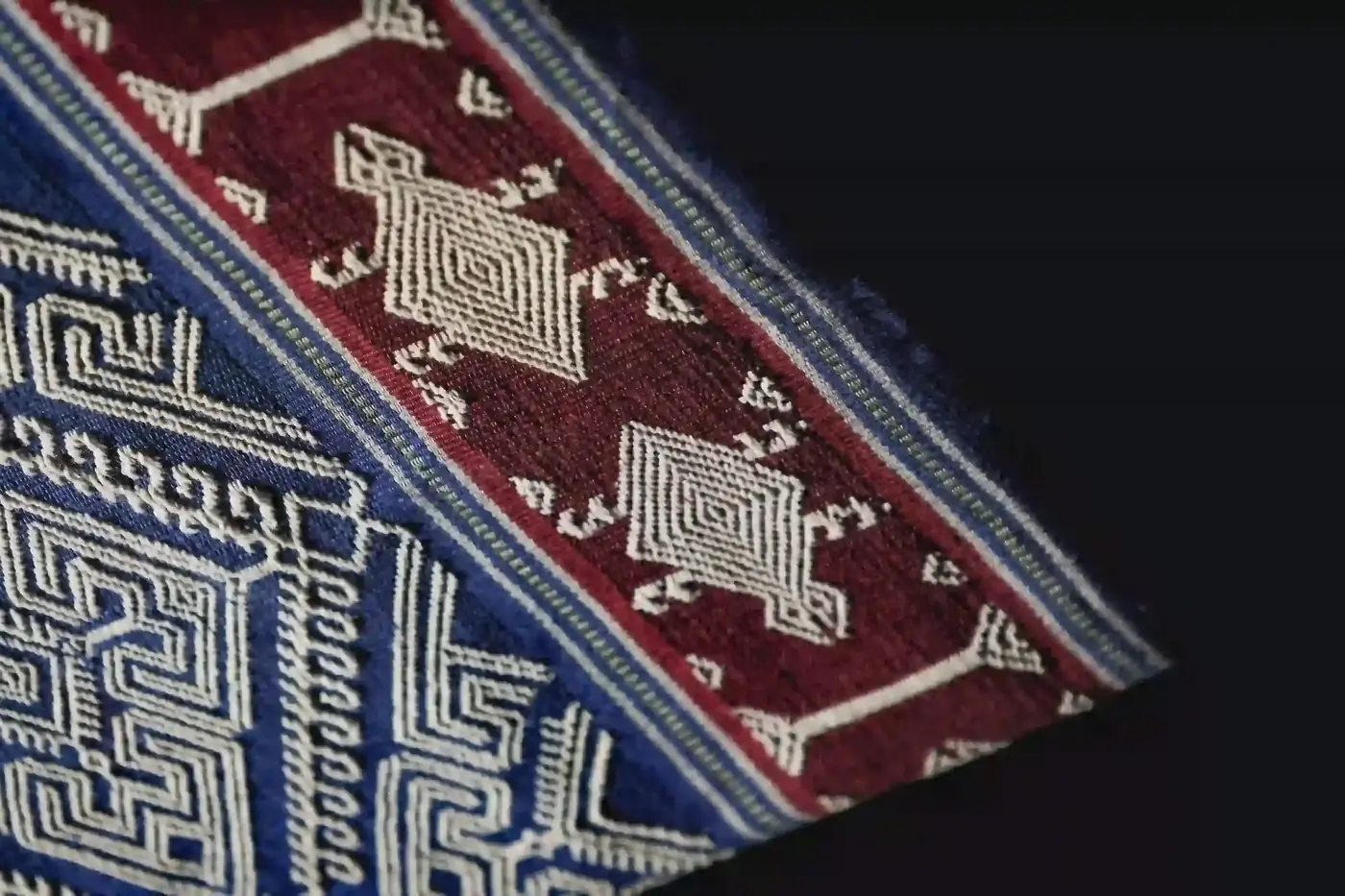
How do you tell genuine Sumba cloth from an imitation?
The market faces real falsification, where synthetic materials and printed pattern are sold as traditional cloth. The tells are visible in a photograph, which means you can check before you buy rather than after it arrives.
- Turn the piece over. Genuine ikat reads clearly from both faces because the colour lives in the yarn; a print has a pale, ghosted reverse.
- Look at the motif edges. Hand-tied resist produces a feathered, slightly irregular boundary. Machine-perfect edges mean print.
- Hand-spun cotton has a distinctive uneven texture and occasional slubs — a property of the yarn, not a defect.
- Traditional motifs carry meaning: geometric registers, animals and ancestral figures drawn from Sumbanese cosmology rather than arranged for decoration.
A single large piece can take several weeks to complete depending on its complexity. That labour is what the price reflects, and it is why a cheap “handwoven ikat” is usually neither.
Five facts before you decide
Every piece offered carries the same five facts, on the listing and again on the invoice. They answer almost every question a buyer would otherwise have to ask.
-
01
Technique
Warp ikat, supplementary warp or plain weave, and how the panels are constructed.
-
02
Dye family
Natural, mixed or synthetic — stated, never implied.
-
03
Fibre
Hand-spun or mill-spun cotton, or a blend where the weaver combined both.
-
04
Dimensions
Measured size, not nominal size, since handwoven cloth varies from nominal figures.
-
05
Origin
The district within Sumba the cloth came from, where it is known.
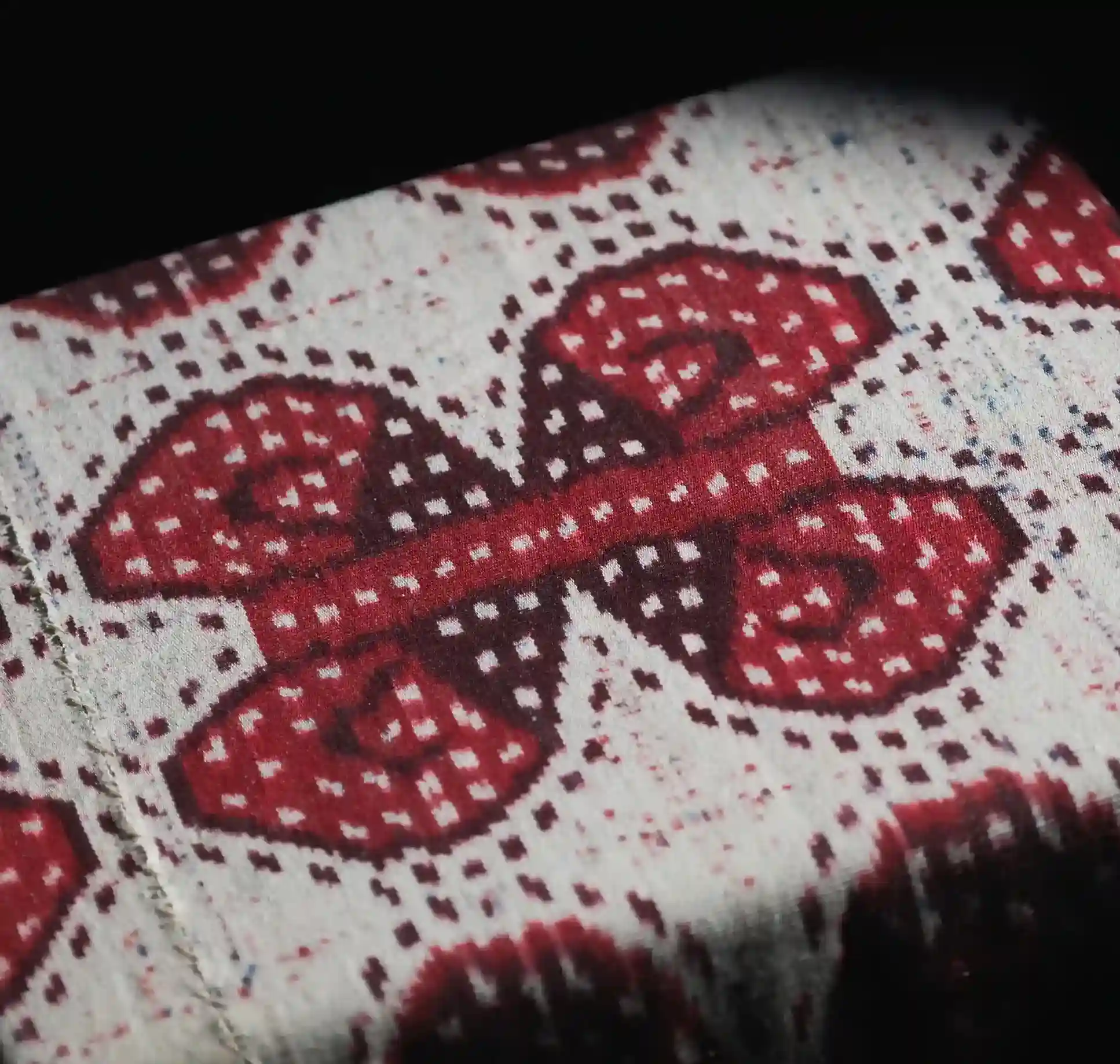
Where the colour comes from
The classic Sumba palette is built on two plant dyes: indigo, which gives blues through to near-black, and morinda root, which gives the rust and brick reds. Undyed cotton provides the cream. Depth is built by repeated immersion over long periods, which is why a naturally dyed piece reads unevenly and richly where a single synthetic bath reads flat.
Synthetic-dyed cloth is not automatically inferior — it holds colour more evenly and survives laundering better, which suits some uses. It is simply a different product, and the listing says which one you are looking at rather than leaving you to guess from the photographs.
How a piece is reserved for you
Ordering runs through direct enquiry rather than an automated basket, for a practical reason: each item is unique, and reserving a specific piece for a specific buyer prevents two customers ordering the same cloth.
-
01
Tell us the piece
And what it is for — display, a garment, or a functional piece at home. Size and intended use narrow it quickly.
-
02
We confirm
Availability, exact measurements, dye family and delivery cost to your address, before anything is charged.
-
03
The piece is held
Reserved against your name and removed from general offer.
-
04
Packed and shipped
Rolled rather than folded, wrapped against moisture, with the description that matches your order.
Naturally dyed handwoven cloth needs gentle care: cold water, no soaking, no bleach, and drying in shade. Wall pieces and older cloth should be dusted rather than washed.
Frequently asked questions
Four questions
Next step
Tell us which piece and what it is for.
We confirm measurements, dye family, availability and delivery cost before anything is charged — and hold the piece while you decide.