
How this site is actually written.
Behind SumbaTextile there is an editorial desk rather than a personality. This page sets out how that desk works, what it checks, and the claims it refuses to make.
- Named specialists
- 0
- Sources a claim is traced to
- 4
- Certifications claimed
- 0
No named specialists
You will not find a specialist profile on this site. The coverage of handwoven textiles in Sumba is written collectively and published under the site’s own name, which is the most accurate description of how it is actually produced.
- A byline implies one person checked one page. That is not how this desk works, and inventing an author to satisfy a convention would be the first false claim on a site built to avoid them.
- What matters is whether a description survives being questioned by someone who knows more — not whose name sits above it.
What each kind of claim is traced back to
Every substantive claim is traced as far as the desk can take it. Practical detail is added on top and marked as observation rather than as rule.
-
01
Technique and material
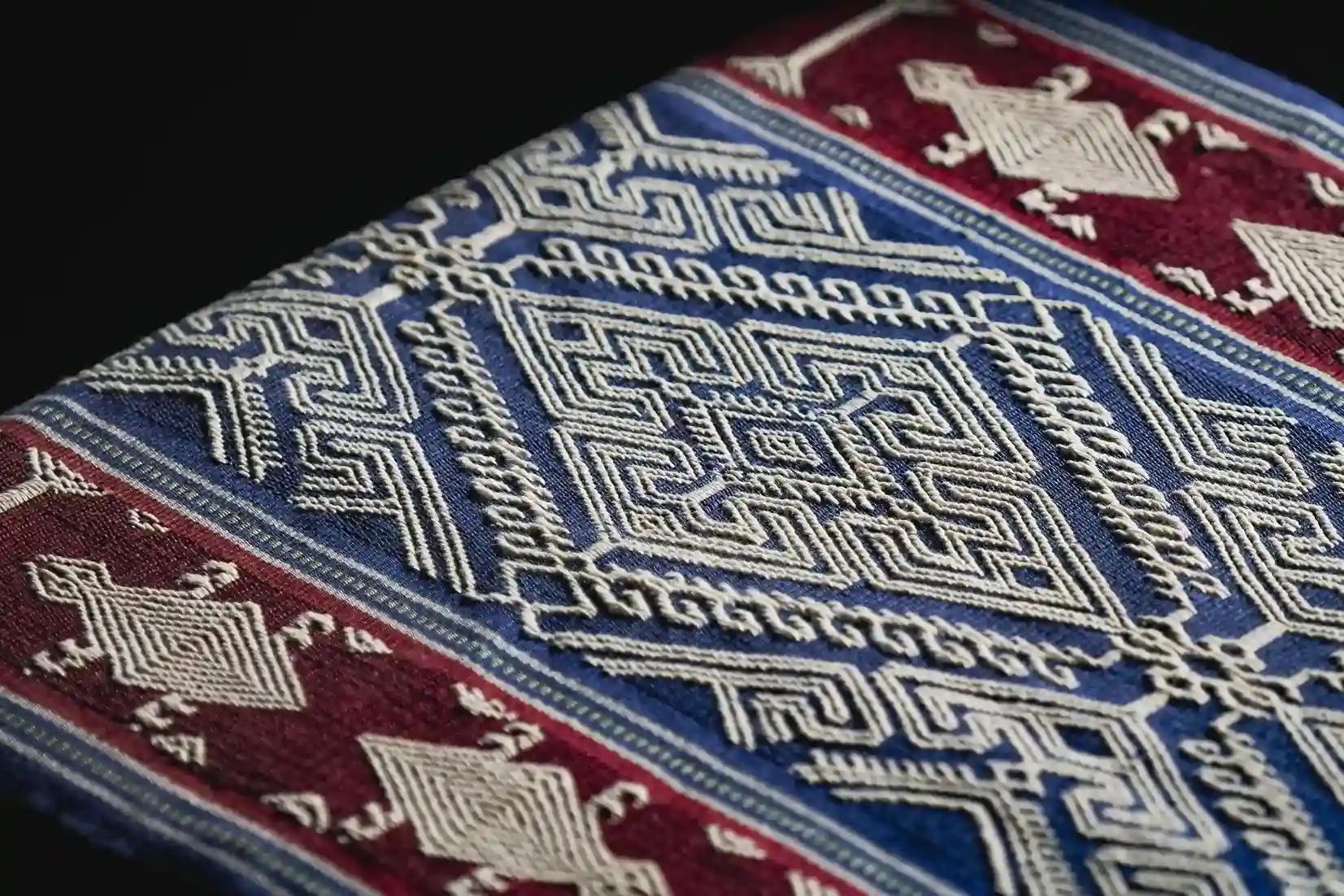
Checked against the cloth itself — what is visible in the weave, the reverse face, the selvedge and the dye behaviour — and against the weaving households we buy from.
-
02
Origin and motif
Traced to the weaving area recorded at purchase. Where motif meaning varies by district, the page gives the reading and names it as a reading, not a key.
-
03
Trade and shipping rules
Traced to the published requirement where one exists, and otherwise named as general practice with the reader pointed at their own customs authority or broker.
-
04
Timings and prices
Given as ranges when they genuinely vary by season, by household or by dye method — and named as ranges rather than presented as a single confident figure.
Where we stop, and how mistakes are fixed
Where something has not been confirmed against a source the desk can point at, the page says so plainly instead of filling the gap with a confident number. Where a figure varies by season, by household or by dye method, the page gives the range and names it as a range. None of this is professional advice, and it should not be relied on as a substitute for asking the relevant authority — particularly on import rules, duty and cultural-property controls, which differ by country and change.
Corrections are made openly on the affected page rather than quietly. A page is re-dated when what it says changes, not when it is merely reissued. If you find something here that is wrong, tell us — that is a faster route to an accurate site than any internal review.
Corrections
Found something wrong? We would rather know.
Send the page and the problem. Corrections are made openly on the page itself, and the page is re-dated when what it says changes.