
Knowing where the knowledge stops.
Expertise in handwoven textile is not a number of years. It is being able to say what a specific piece is, how it was made, and — just as often — which questions about it cannot be answered honestly.
- Things read off a piece
- 5
- Questions we decline
- 4
- Classic natural dyes
- 2
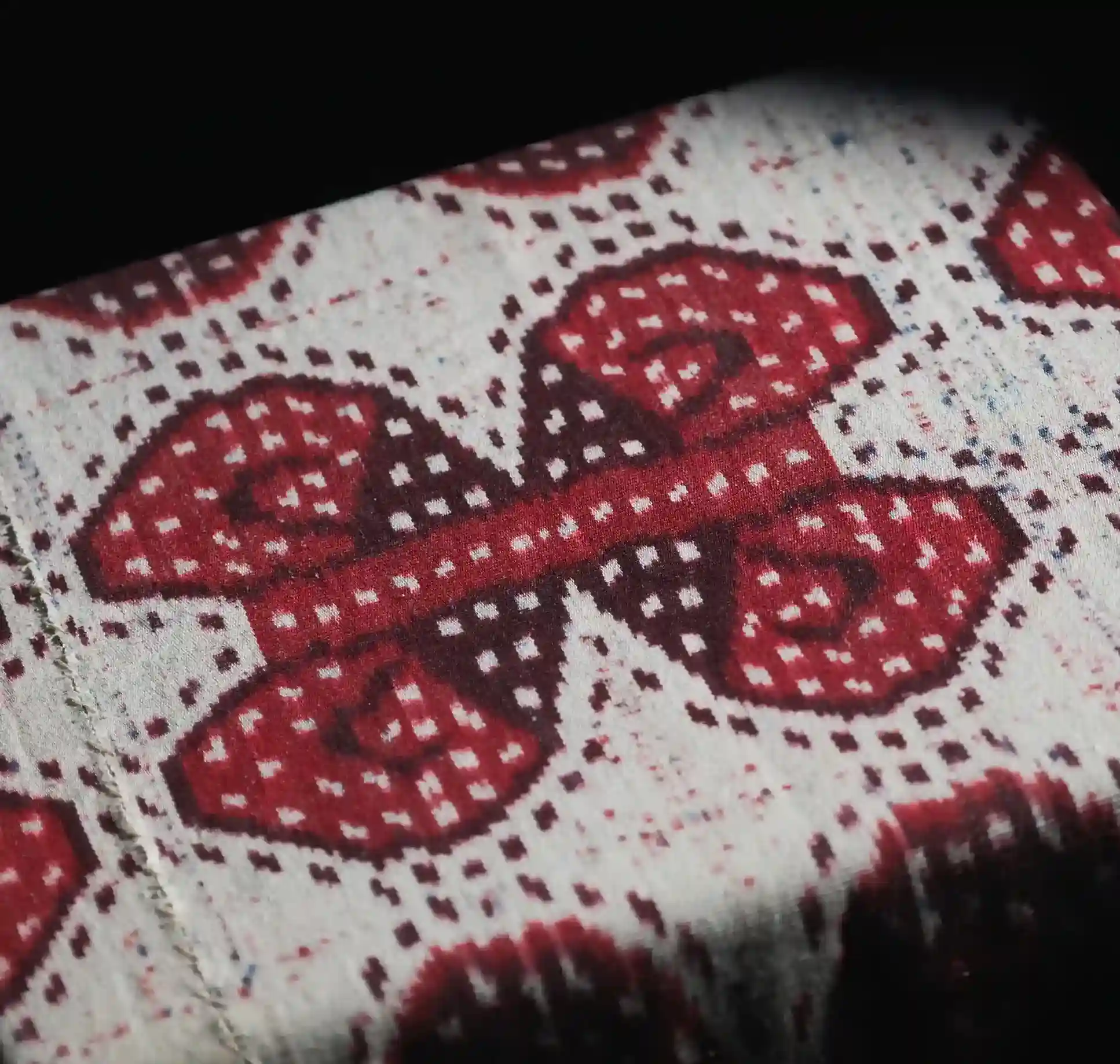
What expertise actually looks like here
Hand a piece of cloth to the desk and it should come back with the technique, the dye family, the fibre, the construction and the approximate weaving area — each stated so that you, or a specialist you hire, can check it independently.
- Anything that cannot be read off the cloth is recorded as unknown rather than estimated into a sales sentence.
- Knowledge comes from handling pieces and from working directly with weaving households, not from a certificate — there is no certifying body for this cloth.
- The useful measure is whether a description survives being questioned by somebody who knows more than we do.
What can be read off a cloth, and how
Five readings
Technique
Whether the pattern reads on both faces, and how panels are constructed and joined
Woven ikat versus print; single loom panel versus joined cloth
Dye family
Depth and unevenness across the cloth, behaviour under daylight versus lamplight
Natural, mixed or synthetic — which governs light and cleaning tolerance
Fibre
Slubs and irregularity in the yarn, visible in the weave
Handspun or mill-spun cotton, or a blend
Execution
Motif registration across the width, weft density, selvedge and fringe
Grade, and therefore price band
Origin area
Motif vocabulary and structure, against known regional patterns
East Sumba pictorial ikat versus West Sumba supplementary-warp work
Questions where the honest answer is that we do not know
Every field has them. A desk that never says this is not more expert; it is less careful.
-
01
The exact age of an older piece
Sumba weaving methods have been consistent enough that visual dating gives a range, not a year. We present the reasoning and record undetermined where it genuinely is.
-
02
Full provenance chains
Where a piece has passed through hands we cannot trace, the record says so instead of offering a tidy story.
-
03
Motif meaning across districts
A symbol read one way in East Sumba may carry different weight elsewhere. We separate what is known about a piece from interpretation.
-
04
Anything requiring a lab
Fibre and dye analysis needs equipment we do not have. Institutions are welcome to commission an independent opinion, and we will hold a piece while it happens.
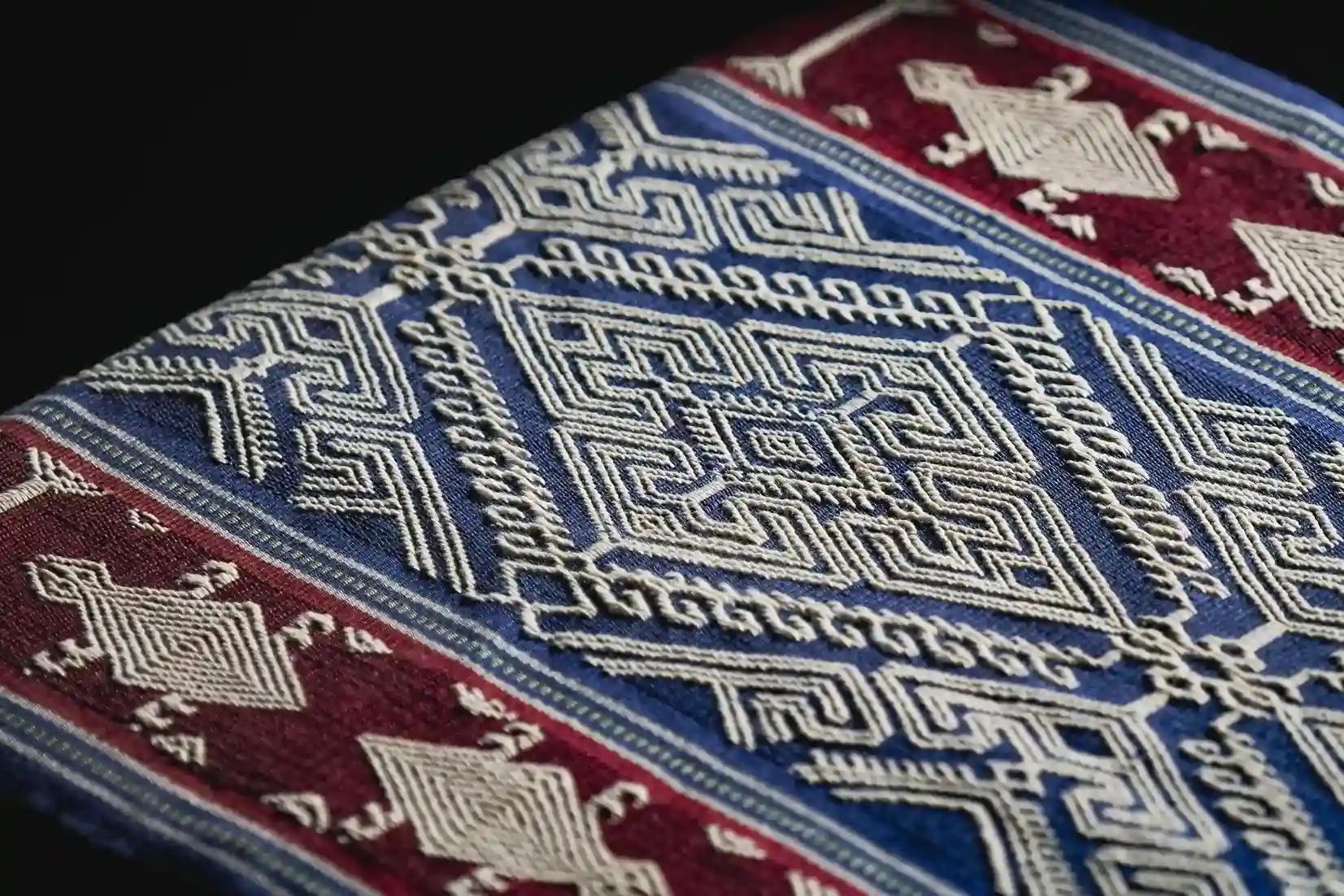
How the knowledge is kept current
By working with the weaving communities rather than reading about them. The weaving area is recorded for every piece we buy, which over time builds a picture of which households work in which structures, which dye practices are in use where, and how long each stage genuinely takes in a given season.
Where we learn something that contradicts what a page here says, the page is corrected openly rather than quietly. The editorial desk page sets out how that works.
Frequently asked questions
Four questions
Next step
Send photographs and we will tell you what we see.
Both faces, plus measurements. You will get what can be read off the cloth, and a plain statement of what cannot.