
Describe the work. Do not decorate it.
SumbaTextile Studio buys handwoven Sumba ikat from the weaving households that make it and sells it to boutique owners, interior designers, hospitality projects and textile traders worldwide. What follows is what we do, how it is checked, and what we refuse to claim.
- Facts recorded per piece
- 5
- Classic natural dyes
- 2
- Certifications claimed
- 0
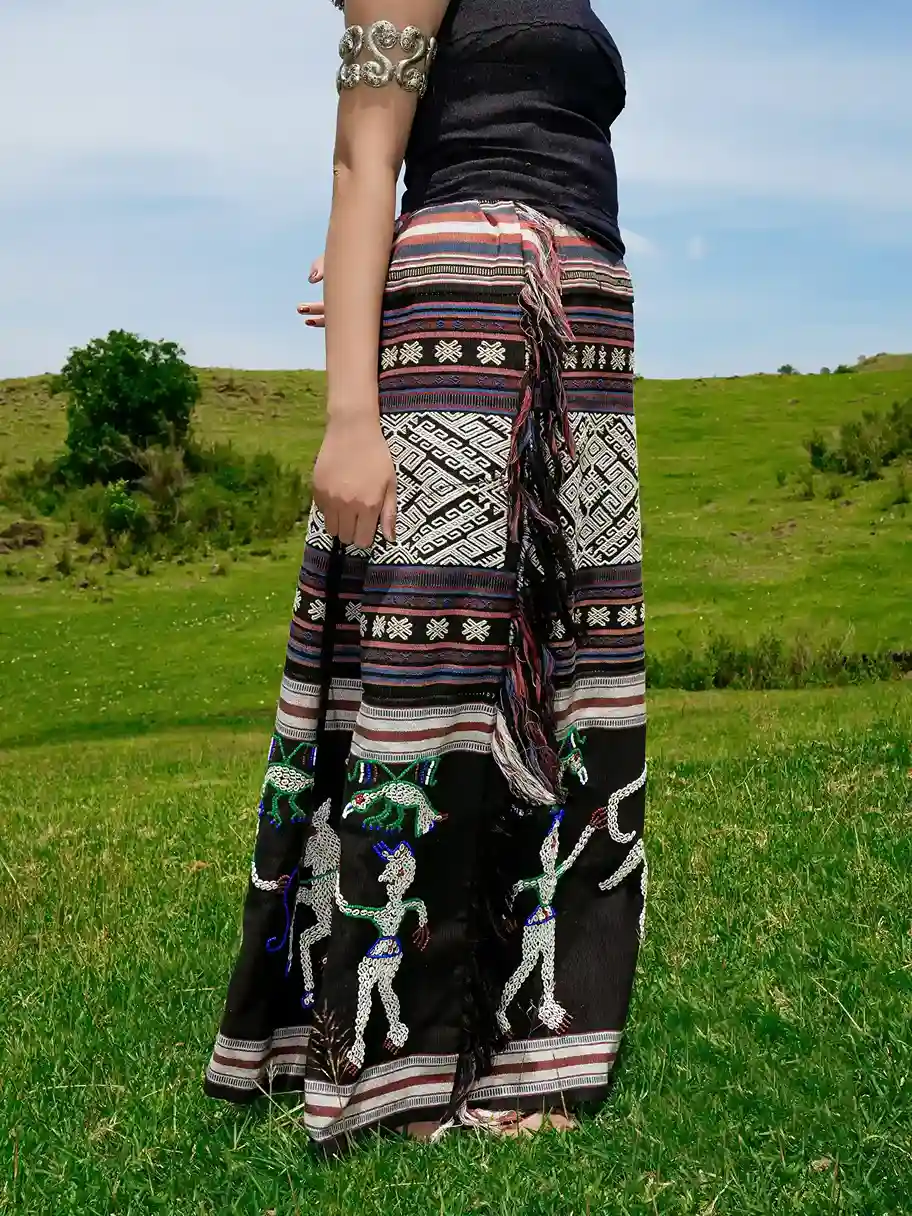
What we actually do
We source directly from weaving communities on Sumba, record origin per piece, and quote in writing with product cost, packing and freight kept separate. Every piece is handwoven on a backstrap or simple frame loom — never printed, never machine-copied.
- Direct sourcing from weaving households, with the weaving area recorded and carried into our documentation.
- The price for a commissioned piece is agreed with the maker before work starts and is not renegotiated downward after the cloth exists.
- Photographs of the actual piece or batch before payment, not stock imagery.
- Plain statements about lead time, because handwoven stock cannot be manufactured on demand.
The list that matters more than the list above
Most of what a textile supplier could say about itself cannot be checked by the buyer. These are the claims we decline to make, and the reasons.
-
01
No authenticity certification
No recognised body certifies handwoven Sumba cloth, so the document would carry only our own authority. We supply a descriptive dossier instead — technique, dye family, fibre, measurements, origin.
-
02
No awards, ratings or memberships
None that we cannot show you documentation for. Badges are cheap to display and impossible to verify from abroad.
-
03
No dates we cannot evidence
Where a piece is older we say it is older and describe its characteristics. Where a firm date cannot be established, the record says undetermined.
-
04
No deadlines met by substitution
We decline a schedule that could only be kept by quietly swapping natural dye for synthetic without telling anyone.
Run these checks on us. The verified supplier page sets out the eight a buyer should apply before a first order with any Indonesian textile supplier, including this one.
The context behind the cloth
Four pages that go further than an about page usefully can.
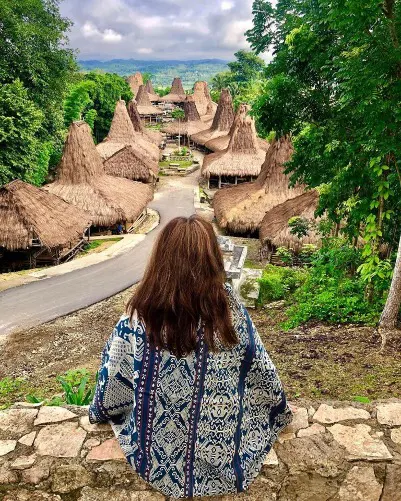
Where we work
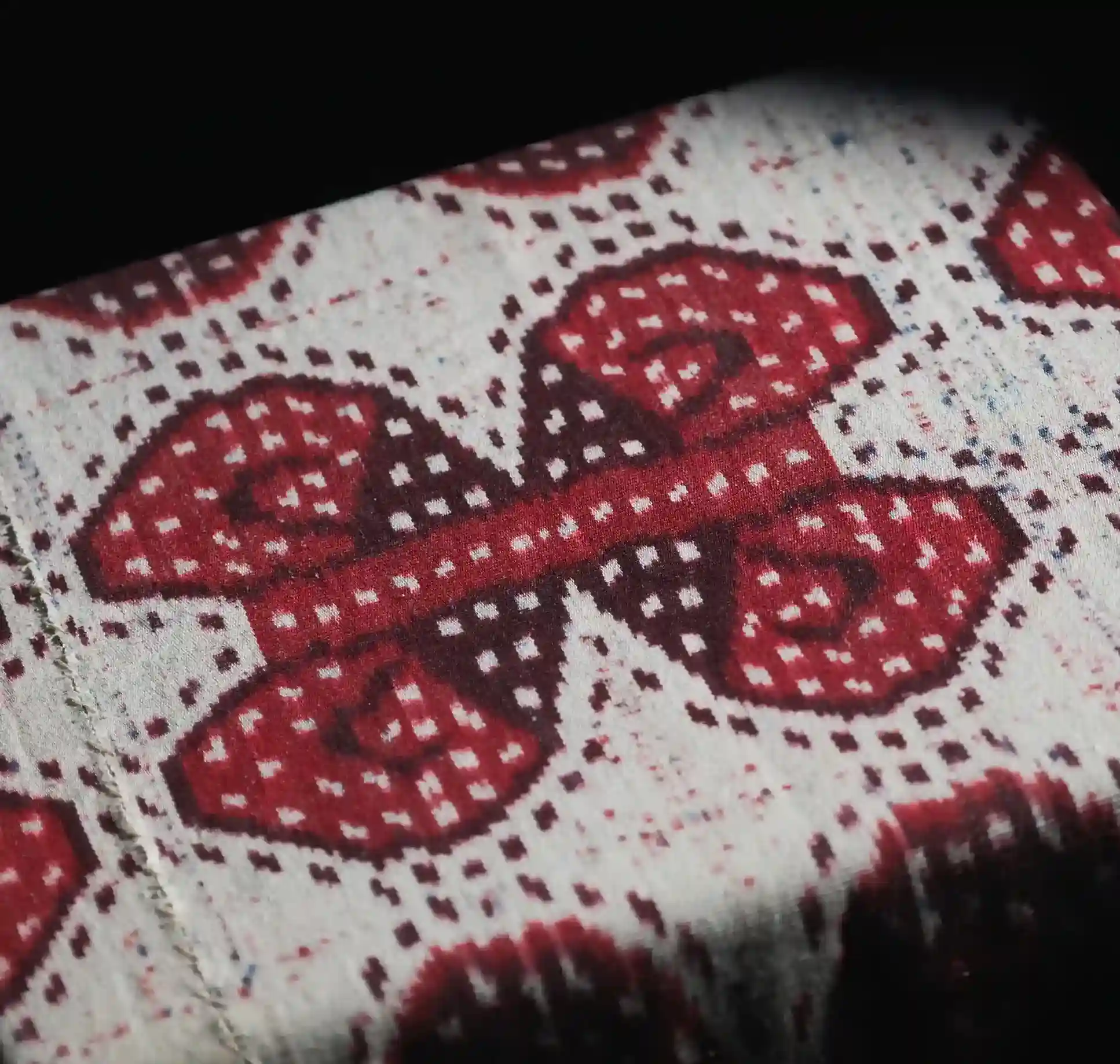
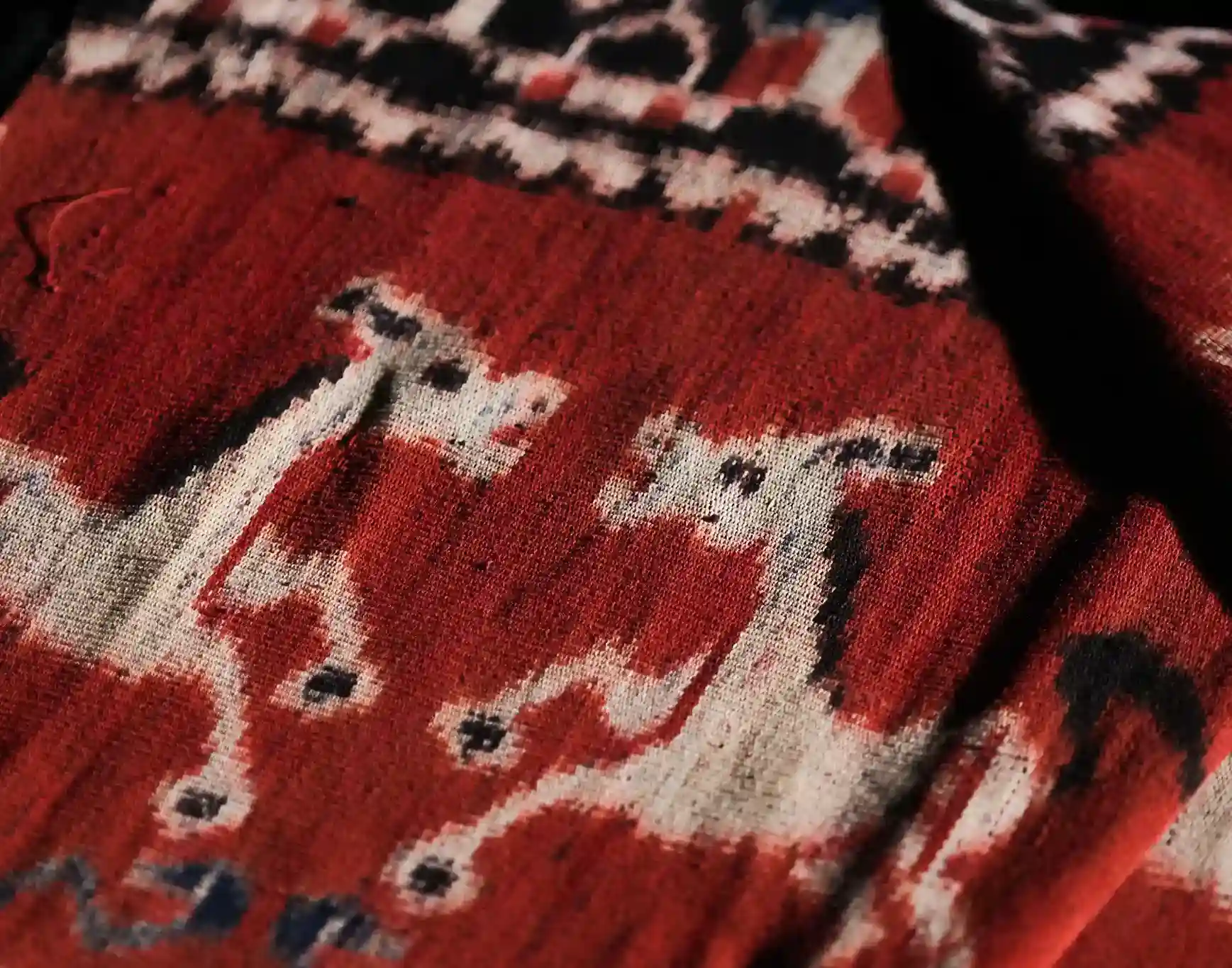
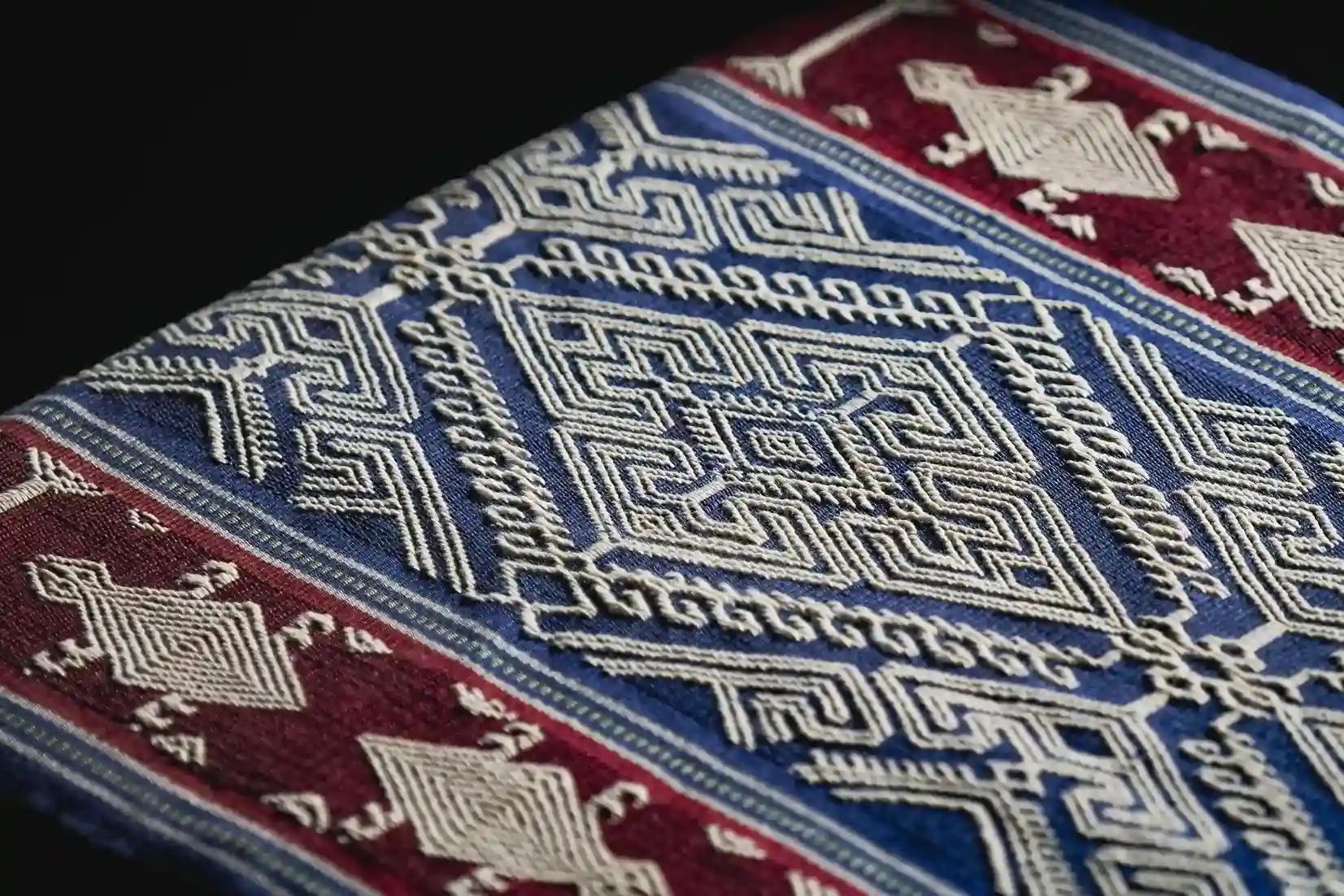
The desk is in Waingapu on the eastern side of Sumba, in East Nusa Tenggara. The pictorial warp ikat most buyers recognise — horses, deer, roosters, ancestral figures — is concentrated in East Sumba, in villages including Kaliuda, Rende and Prailiu. West Sumba’s tradition leans toward supplementary-warp patterning and bead or shell embellishment instead.
When a piece is described here, the weaving area is part of the description, because a cloth from an East Sumba ikat village and one from a West Sumba household are different objects with different production logic.
Frequently asked questions
Four questions
Next step
Ask the question you actually want answered.
Including the awkward ones. Every question is welcome, particularly the ones about authenticity — those are the ones this whole site is built to answer.