
Batch depth stated before you commit.
The sourcing channel for resellers, importers and textile traders buying in repeat volume rather than single souvenir pieces. Stock is grouped by weave structure, dye method and panel width, so a comparable run can be reordered later.
- Trade categories
- 4
- Facts per lot
- 5
- Tying batch per lot
- 1
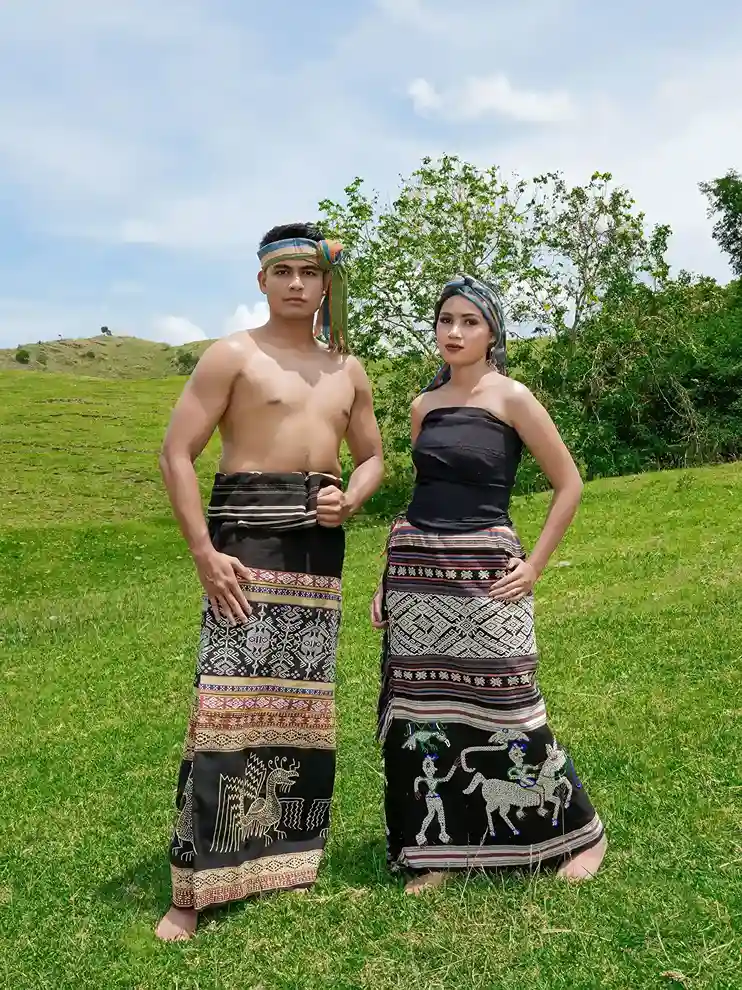
What does a wholesale lot of Sumba woven fabric actually contain?
Sumba weaving is warp ikat: the pattern is tied and dyed into the lengthwise threads before a single weft pass is made. That is why the design appears slightly feathered at its edges, and why two pieces from the same tying batch are similar but never identical.
- Weave family: warp ikat, plain handwoven ground, or supplementary-warp decorated cloth.
- Dye family: natural dye, mixed natural and synthetic, or fully synthetic.
- Fibre: handspun cotton, mill-spun cotton, or a blend where the weaver combined both.
- Finished size, including whether the piece is a single loom panel or two panels joined at a centre seam.
- Batch depth: how many comparable pieces exist now, and whether more can be commissioned.
Which categories should a textile trader separate?
Four categories
Traders who merge everything into one line item almost always run into complaints later, because a naturally dyed hinggi and a synthetic-dyed decorative panel behave differently in transit, in daylight and in the wash. Separating them at the sourcing stage protects your own margin and returns policy.
Natural-dye warp ikat
Warp tied by hand, dyed with indigo and morinda root over repeated immersions
Gallery pieces, heritage collections, statement interiors
Slowest to replace; batch depth is small
Synthetic-dye warp ikat
Same tying and weaving method, chemical dyebath
Retail decor, cushion and framing programmes
Faster to replace; brighter, more uniform colour
Plain handwoven ground cloth
Undyed or single-colour yardage on a backstrap or frame loom
Cut-and-sew, linings, base cloth for makers
Most predictable to reorder
Supplementary-warp and beaded cloth
Extra decorative warp floats, sometimes with shell or bead work
Collector items, display, museum-style presentation
Made piece by piece; treat as one-off
What to write into your own product copy
Handwoven cloth has no bolt-to-bolt tolerance in the mill sense, so consistency is managed by batching rather than by specification. These four are normal in this cloth, and a customer told about them in advance reads them as character rather than fault.
-
01
Width differences
Small, because the loom is set up by hand for each warp.
-
02
Feathered edges
The signature of true ikat rather than a printed imitation.
-
03
Colour depth shift
Between dye lots, especially with morinda-derived reds.
-
04
Occasional slubs
A property of handspun cotton, not a defect.
Where a buyer needs a genuinely repeatable line, plain ground cloth and simpler two-colour ikat are the realistic starting points, because the variables are fewer.
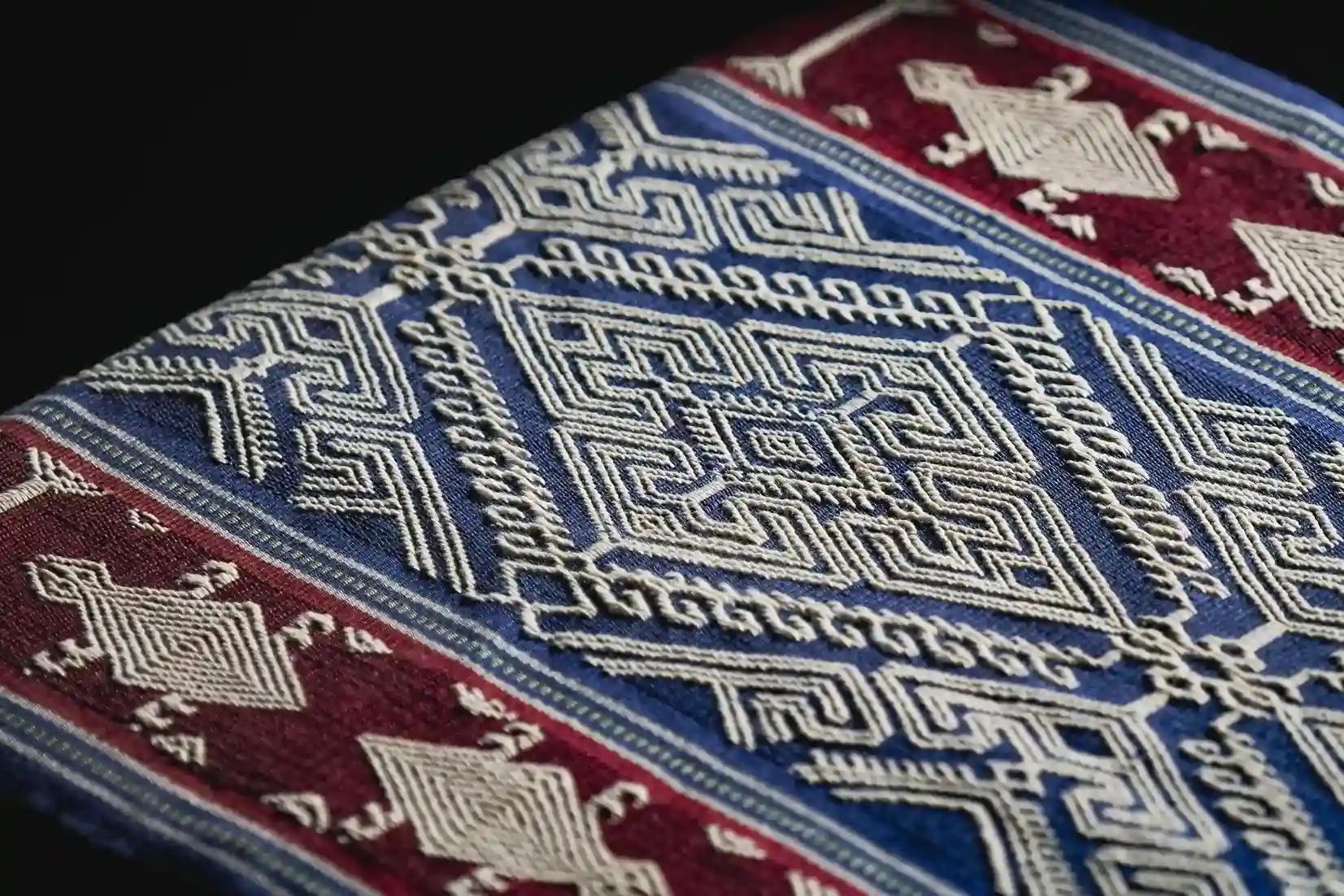
Who buys Sumba woven fabric at wholesale
The channel is built for buyers who resell or specify, not for one-off gifts: concept-store and boutique owners assembling a textile corner, interior contractors sourcing a hospitality fit-out, importers consolidating Indonesian craft categories, and makers who cut handwoven cloth into finished goods.
Each asks for a different mix. Retail buyers want smaller repeatable formats. Project buyers want fewer designs at greater depth. Makers want yardage they can cut without wasting a motif. Say which you are and the offer arrives shaped for you.
What a wholesale enquiry should include
A quotation moves faster when the enquiry already answers the questions we would otherwise have to ask.
-
01
Category and dye
Which categories, and whether natural dye is a requirement or a preference.
-
02
Quantity per design
And total order size, so batch depth can be checked before quoting.
-
03
Destination
Country and port or airport, since that determines packing and freight mode.
-
04
Delivery window
The single factor that most often decides whether a natural-dye request is realistic.
-
05
Presentation
Labelling, individual polybagging, or care cards prepared before shipment.
Textiles ship light and bulky, so cartons protect folds rather than fill volume. Pieces are folded on the weave direction, sealed against moisture and cartoned with a packing list matching the piece-level description used in the quotation.
Frequently asked questions
Four questions
Next step
Send the category, the depth and the destination.
We come back with available batches, pricing tiers and a realistic shipping window — with batch depth stated so you know how much visual consistency is on the table.